
The Heat of the Desert
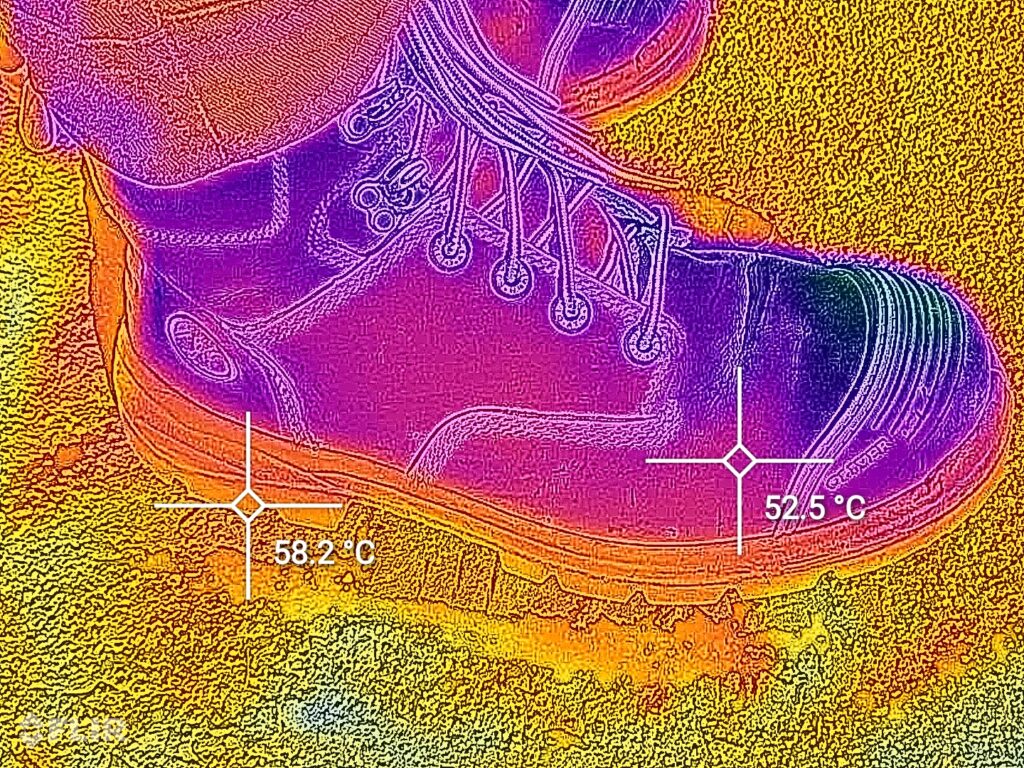
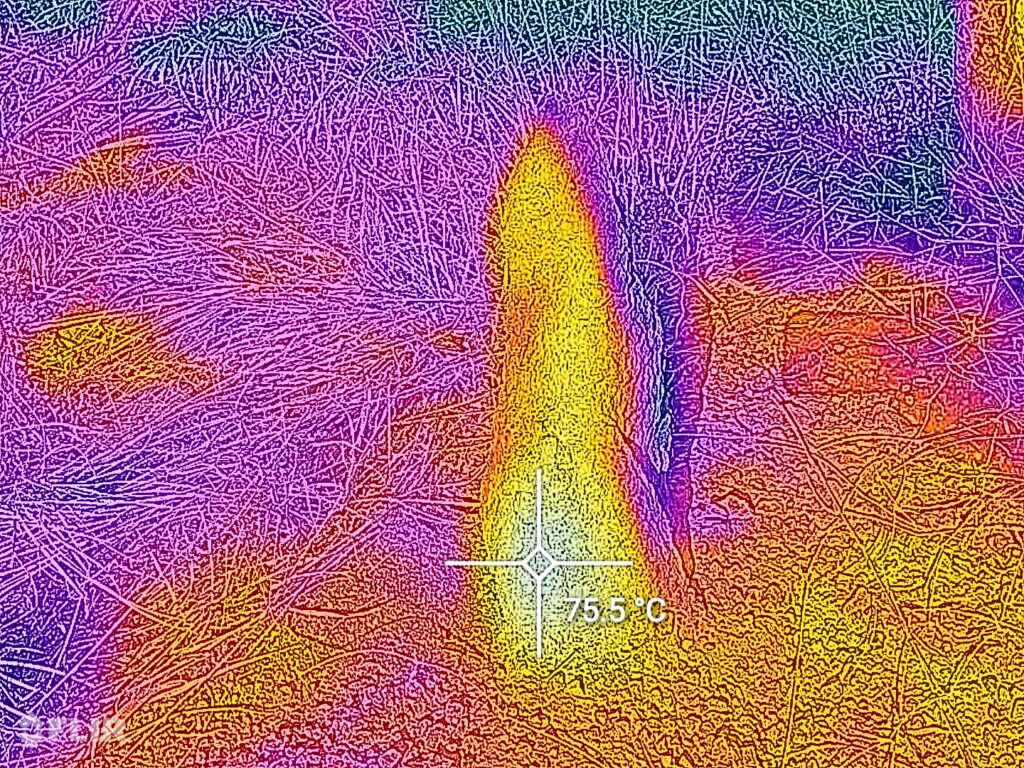
The Tanami Desert is getting less rain this year compared to last, and air temperatures are reaching new extremes, with highs of 44°C and ground temperatures soaring to 75°C. This intense heat drastically limits the time both wildlife and I can spend outdoors. A thermal image of my boot shows surface temperatures nearing 60°C after walking, while nearby termite mounds register even higher ground temperatures — hot enough that it feels like my feet are being slowly boiled inside my boots. While I usually enjoy long hours out in the cooler weather, the past few months have made it tough to stick to my usual routine. And I’m not exaggerating; the following thermal images tell the story.
An Unexpected Encounter
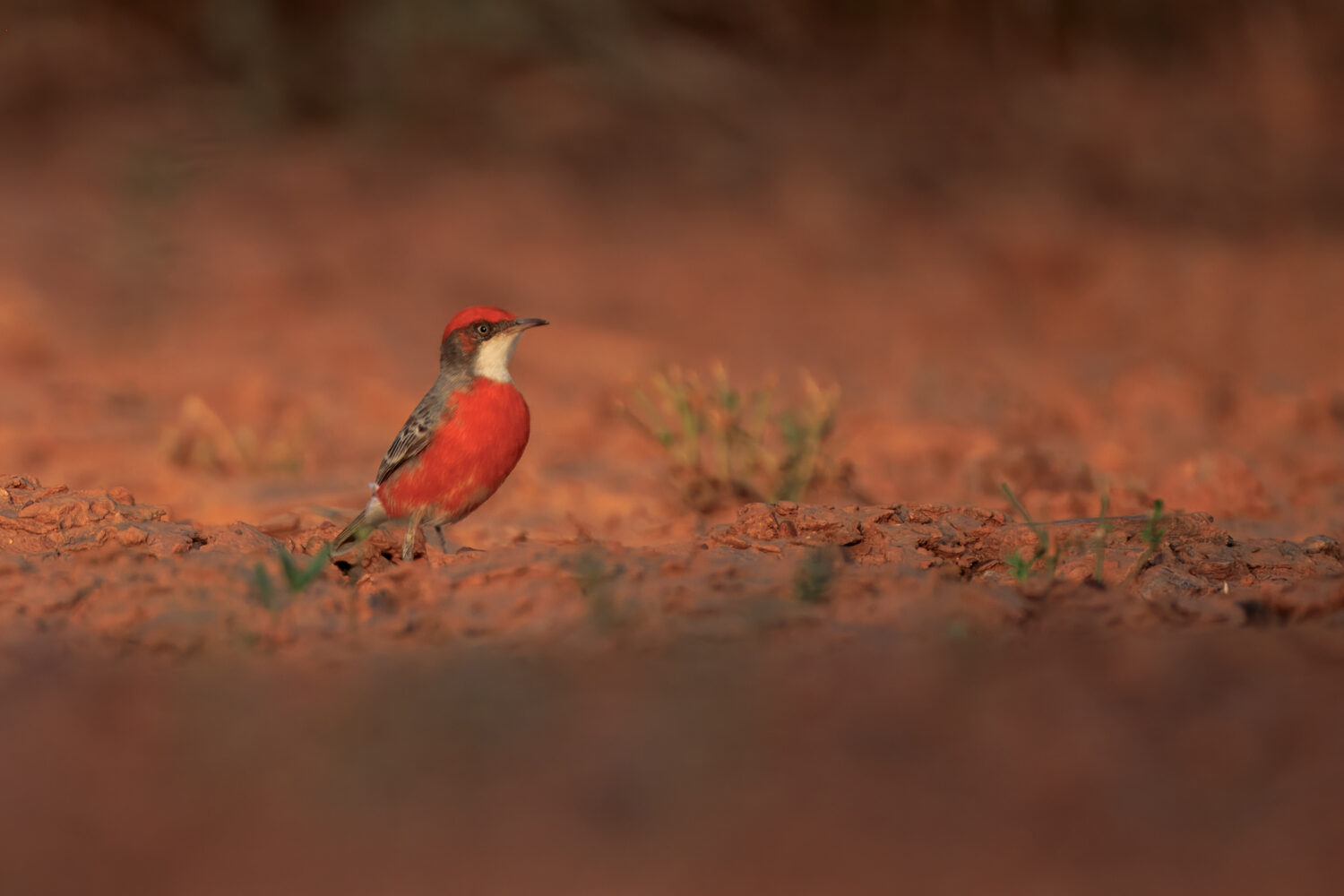
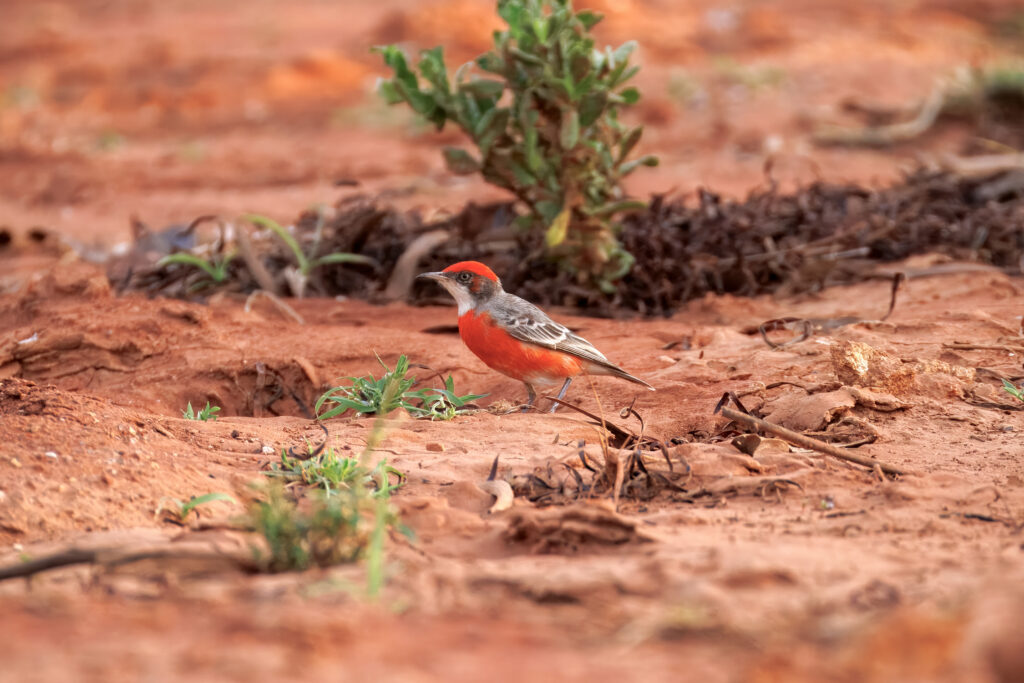
One early morning, I managed to get out before the heat rolled in, and I couldn’t believe my eyes when I spotted a bright red bird hopping along the ground. There aren’t many birds with such a striking colour, and it immediately grabbed my attention. It was a Crimson Chat. I’d seen one last year and assumed they’d just pass through the desert without stopping, like some migratory birds do. I thought if you were lucky enough to spot them, it would only be for a short window—just a couple of days. But I’m happy to admit I was wrong. To my surprise, the Crimson Chats are ground-dwellers, more like pipits than the tree-perching birds I expected. This changed everything, and I realised I had been searching in the wrong places.
The Allure of the Crimson Chat
As someone who loves capturing vibrant red tones in my photos, I was thrilled at the chance to spend more time with these incredibly bright and captivating birds—ones that never seem to lose their charm through the lens.
The Challenge of Capturing the Chats
I now understand why photographing them on the ground is such a challenge. First, they’re incredibly active and rarely stop moving, making it hard for even the most advanced autofocus systems to keep up. Second, they prefer areas with dense spinifex grass, which makes getting an eye-level shot nearly impossible. The spinifex, which is everywhere, constantly blocks clear views. Lastly, the intense heat haze that often hangs over the ground also makes it difficult to get sharp, focused shots.
A Stroke of Luck
Earlier in the season, I was lucky to find some controlled burns had cleared areas of the spinifex, opening up small gaps through which I was able to get clearer views and photographs.
And then—look at those colours! I’m still in awe of the vivid sight of these birds.
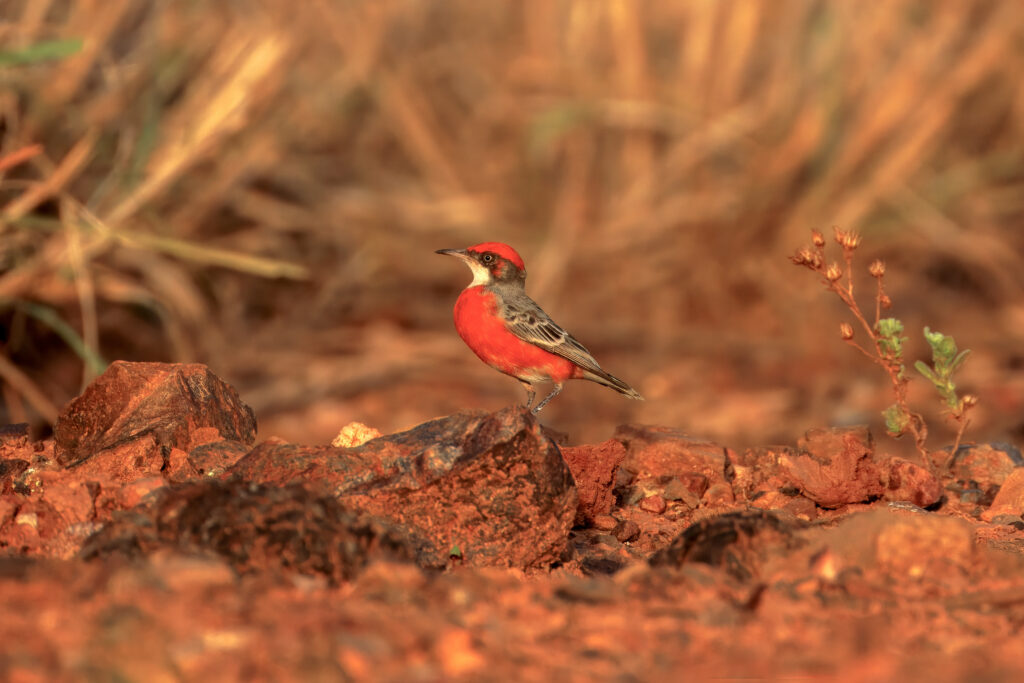
The Female Crimson Chat
In the next photo, you’ll see the female Crimson Chat, and you’ll notice the stark difference in colouration. While the males are bright and eye-catching, the females are much more subdued. This is likely an evolutionary trait to help them blend in while nesting and avoid drawing attention.
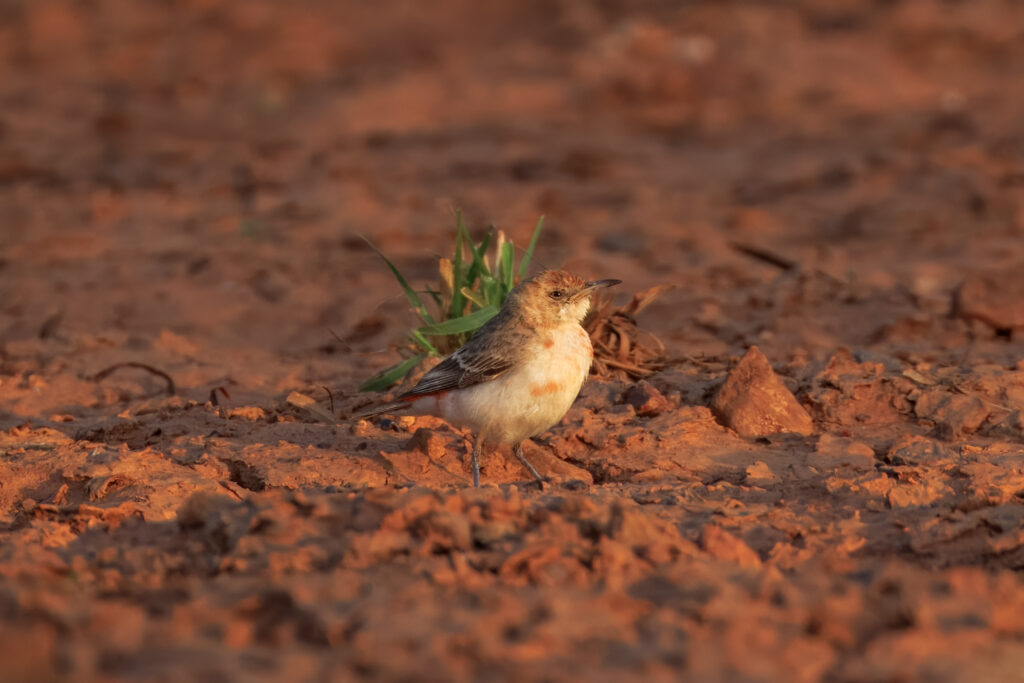
A Game of Hide and Seek
One memorable encounter involved a bit of “hide and seek” with a female. I tracked her until she darted behind a small bush and disappeared from view. If you can spot her in the photo, I’d love to hear your thoughts in the comments below!
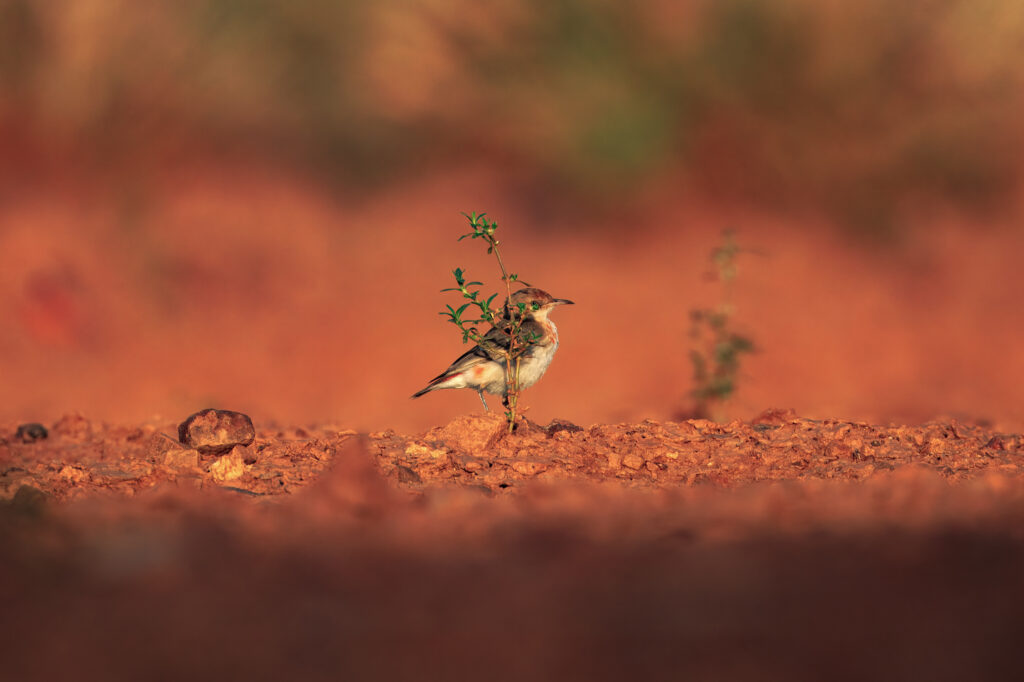
Laughs and Learnings: Fun Facts about Crimson Chats
- The “Bouncy” bird. Crimson Chats are often described as “bouncy” birds. Instead of walking or running like most other birds, they hop around on the ground, much like a little kangaroo. This hopping behaviour is cute and comical to witness, especially when they bounce energetically from one spot to the next as if they’re on a spring-loaded trampoline!
- The “Flamboyant” Males. Male Crimson Chats really know how to stand out, often flaunting their vibrant red plumage like they’re on a runway. They practically scream, “Look at me!” when they’re trying to attract a mate, but ironically, their bold appearance makes them an easy target for predators. It’s like they’ve dressed for a party but forgot it’s a survival game. Talk about a fashion risk!
- The “Chatty” Socialites. Though their calls are not overly loud or frequent, when a group of Crimson Chats does decide to have a “chat,” it’s like they’re gossiping in a birdie huddle. It’s almost like they’re trying to decide who’s got the best feathers or who’s won the title of the most stylish bird in the desert. Their calls sound like little whispers—birds seem to gossip as much as humans!
- The “Oops, I’m a Ground Bird!” Moment. Crimson Chats can be hilariously awkward when it comes to tree hopping. Though they’re mostly ground-dwellers, they’re technically capable of hopping up onto low branches, but their attempts often look pretty funny, as if they’re not quite sure what they’re doing. They tend to look slightly confused about the whole “perching” thing, almost like they’re saying, “I don’t think I belong here… do I?”


Leave a Reply to Graham Bell Cancel reply