Category: Nature

  • Small, Spotted, and Fierce: The Mighty Northern Quoll

    Small, Spotted, and Fierce: The Mighty Northern Quoll

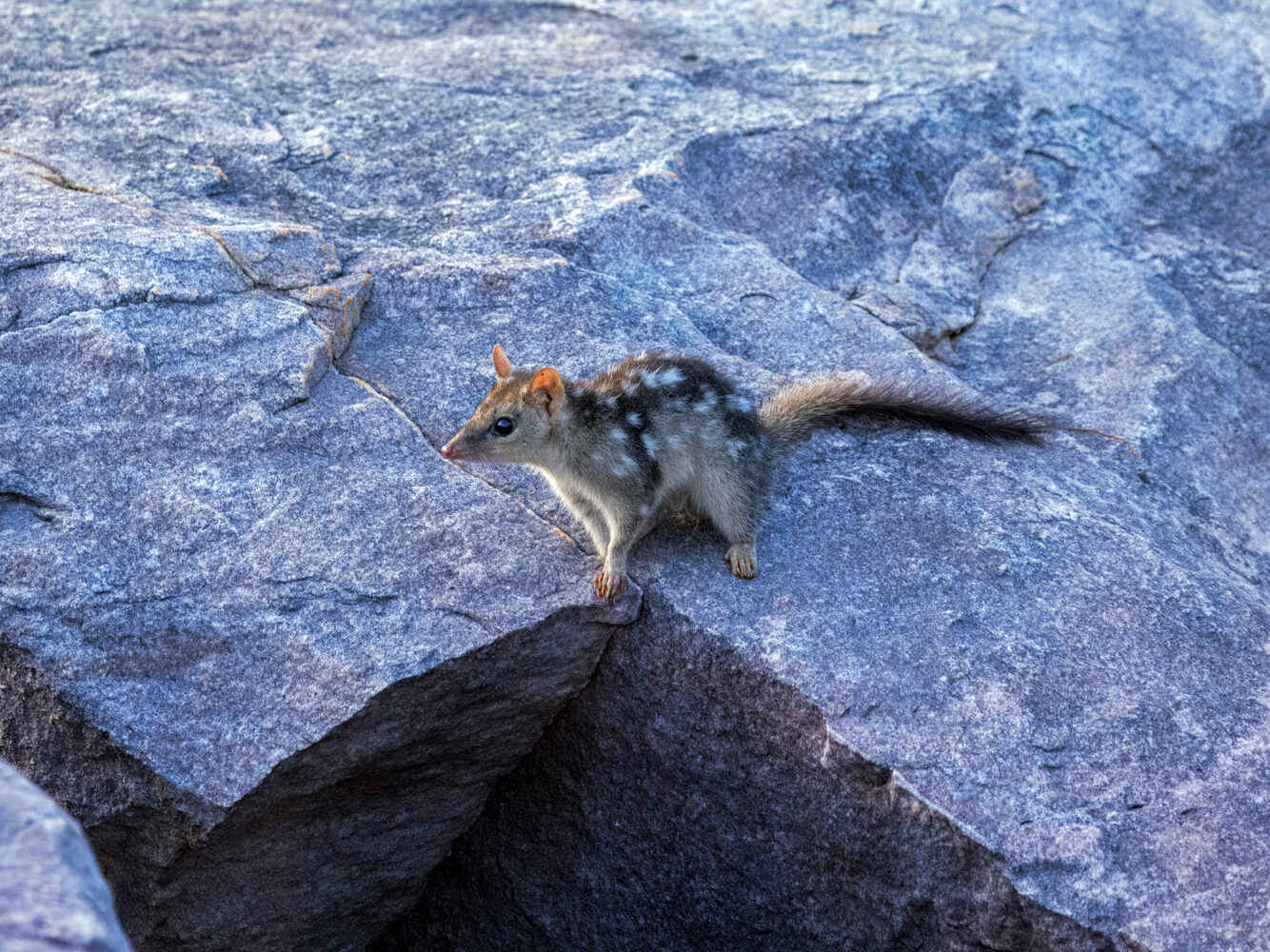
    The Australian bush changes after dark. As the heat fades and the night insects begin their chorus, a small spotted predator emerges from the rocks and hollow logs. The northern quoll is quick, curious, and surprisingly fierce for its size. Photographing this elusive marsupial means entering a world most people never see—one of midnight hunts, agile climbs, and a creature fighting to survive in a rapidly changing landscape.

    Fun Facts about Northern Quoll

    • They’re Australia’s tiny “tiger cats” – Despite their small size (about the length of a ruler plus a tail), northern quolls are fierce predators. Their reddish-brown fur covered in white spots has earned them nicknames like “native tiger cat.”
    • They’re carnivorous marsupials – Unlike kangaroos or koalas, quolls are meat-eaters. A northern quoll’s diet can include:
      • insects
      • spiders
      • small reptiles
      • birds
      • small mammals
      • They’re opportunistic hunters and excellent climbers.
    • Males live shockingly short lives – One of the most dramatic facts: male northern quolls die after their first breeding season. During mating season they go into a hormone-driven frenzy—often mating with multiple females for hours at a time, barely eating or sleeping. The stress leads to immune collapse and death, meaning most males live only about one year.
    • They’re night explorers – Northern quolls are nocturnal, spending their nights roaming rocky outcrops, forests, and savannas in search of food. During the day they sleep in tree hollows, rock crevices, or termite mounds.
    • Their feet are built for climbing – They have rough pads and sharp claws, allowing them to scale trees, cliffs, and even buildings surprisingly well.
    • Cane toads are one of their biggest threats – The arrival of the invasive Cane Toad has devastated many northern quoll populations. Quolls try to eat them but are poisoned by the toads’ powerful toxins. Conservation programs now train quolls to avoid toads by giving them small, nausea-inducing meals made from toads so they learn the taste is bad.
    • Females have only six teats – a female quoll typically gives birth to 20–30 tiny young, but she only has six teats, so only the strongest six survive to develop in the pouch.
    • They once lived across northern Australia – Today they’re mostly found in northern parts of Australia, especially rocky habitats across regions like Northern Territory, Western Australia, and Queensland.
    • They’re endangered in the wild – Because of threats like cane toads, feral cats, habitat loss, and fire, the northern quoll is listed as endangered. Conservation groups and zoos are working hard to protect them.

    Dusk in Quoll Country

    While working in the Northern Territory, I was lucky enough to spend time on Groote Eylandt, one of the few places where northern quolls still thrive. Photographing them required patience more than anything else. I would arrive at a likely spot before sunset and sit quietly, trying not to move while the bush gradually shifted from day to night. Although these little predators are technically nocturnal, they sometimes emerge a few minutes before the sun actually disappears. On several evenings a curious quoll would appear while there was still plenty of light, which meant I was able to capture a few rare daylight photos of these normally night-active animals.

    Where Quolls Still Rule

    One reason Groote Eylandt is such an important refuge for the Northern Quoll is the absence of the invasive Cane Toad. Across much of northern Australia, cane toads have devastated quoll populations because the animals attempt to prey on them and are poisoned by their powerful toxins. Groote Eylandt, however, remains one of the few places where toads have never established a population. Strict biosecurity controls on incoming ships and cargo help prevent them from reaching the island. Without this deadly invader, northern quolls here can still live much as they once did across the mainland—roaming the landscape as one of the area’s small but dominant predators.

    Moments with a Northern Quoll

    The photos below capture a few moments I was lucky enough to witness while observing northern quolls on Groote Eylandt. Watching these small predators emerge from the rocks, sniff the air, and cautiously explore their surroundings was an unforgettable experience. Every encounter felt slightly different—sometimes just a quick appearance before they vanished into the bush, other times a curious individual lingering long enough for a few frames. If you’ve ever seen or photographed a Northern Quoll yourself, I’d love to hear about it. Feel free to leave a comment and share your own experience or tips for spotting these incredible animals in the wild.

  • My best photos from 2023

    My best photos from 2023

    In this article, I want you to focus on enjoying the photos, rather than wading through lengthy explanations. For those of you who follow most of my posts, you’ll likely find full articles with all the behind-the-scenes details for many of these shots.

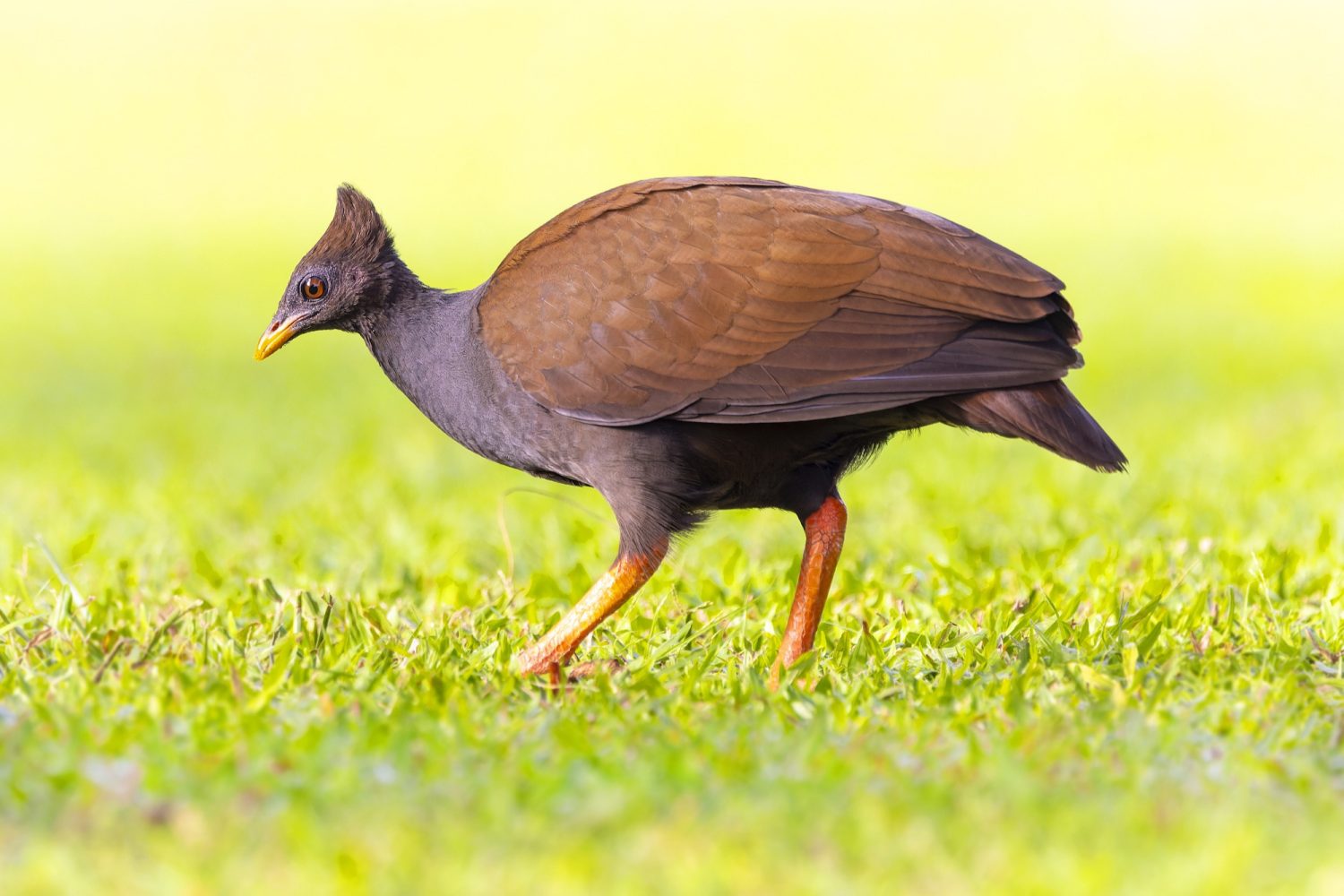
    Included in these shots are photos of the black butcherbird, where I experimented with the dark key technique, a house sparrow against a colorful seed-filled background, a dotterel stretching a worm, a bee-eater captured mid-flight, and a megapode making a loud call.

    That said, I’d love to hear your thoughts—let me know which photo is your favourite!

  • Heat, Sand and Speed: Lizards of the Tanami Desert

    Heat, Sand and Speed: Lizards of the Tanami Desert

    Life Against the Heat

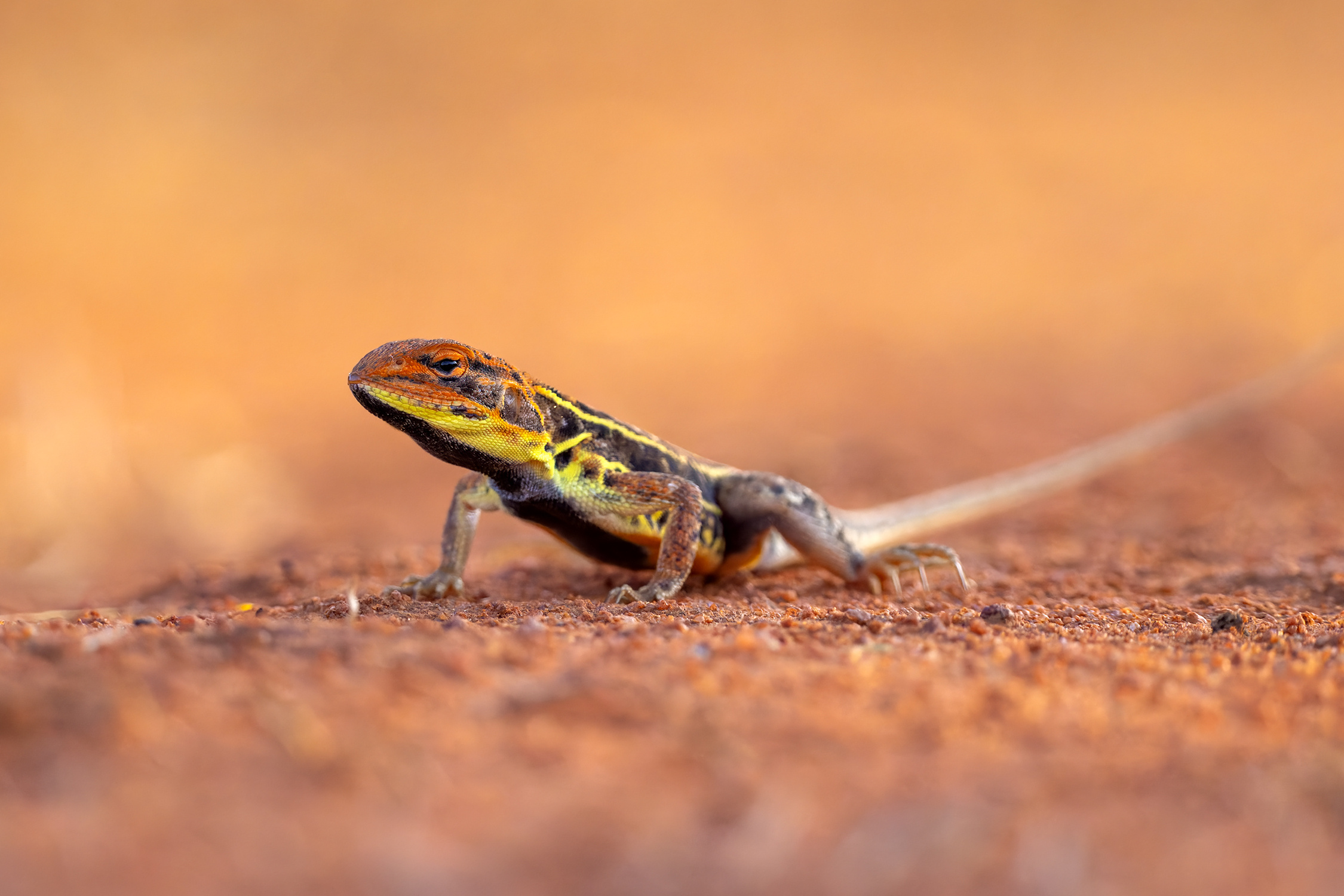
    Despite the searing heat of the desert, there are plenty of reptiles populating the Tanami. Some are small and quick, others larger and more robust; some are common and regularly encountered — like the Military Dragon — while others are nocturnal and rarely seen, slipping silently across the sand after dark. Out here, survival depends on timing, camouflage and an intimate understanding of the ground beneath their feet. Even in temperatures that send most creatures into retreat, these lizards remain active, alert and remarkably well adapted to life on hot sand.

    The Desert’s Everyday Dragon

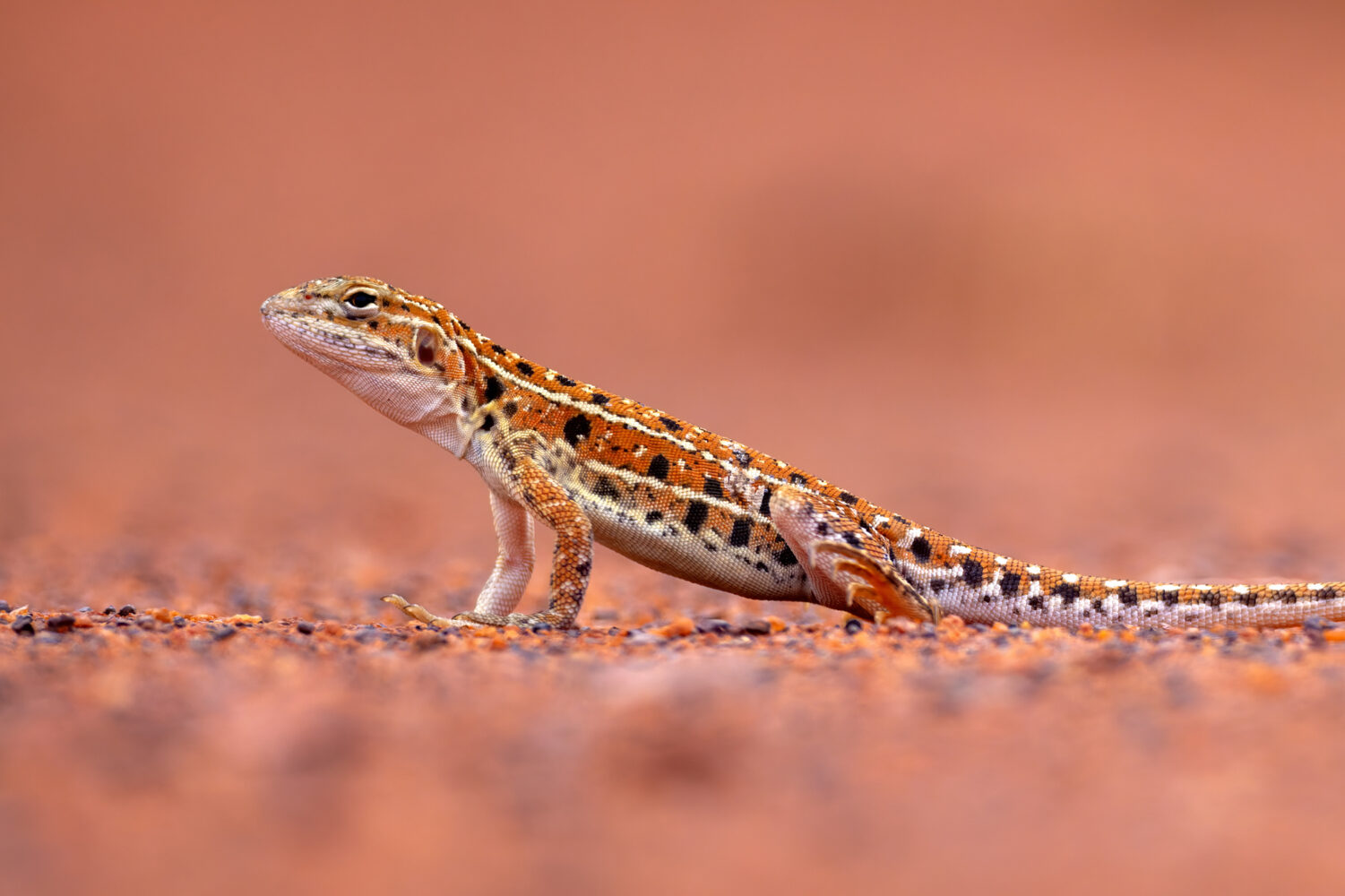
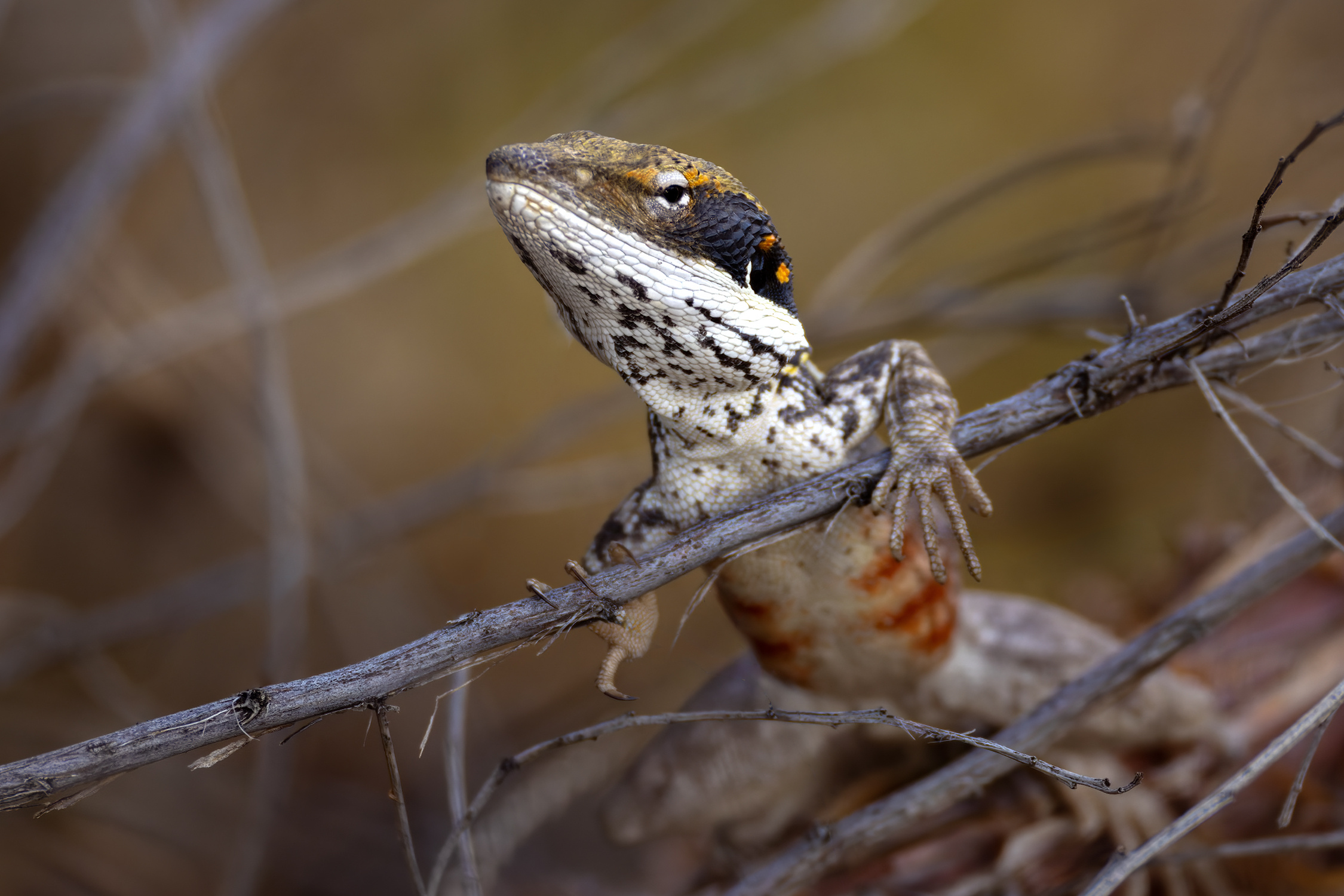
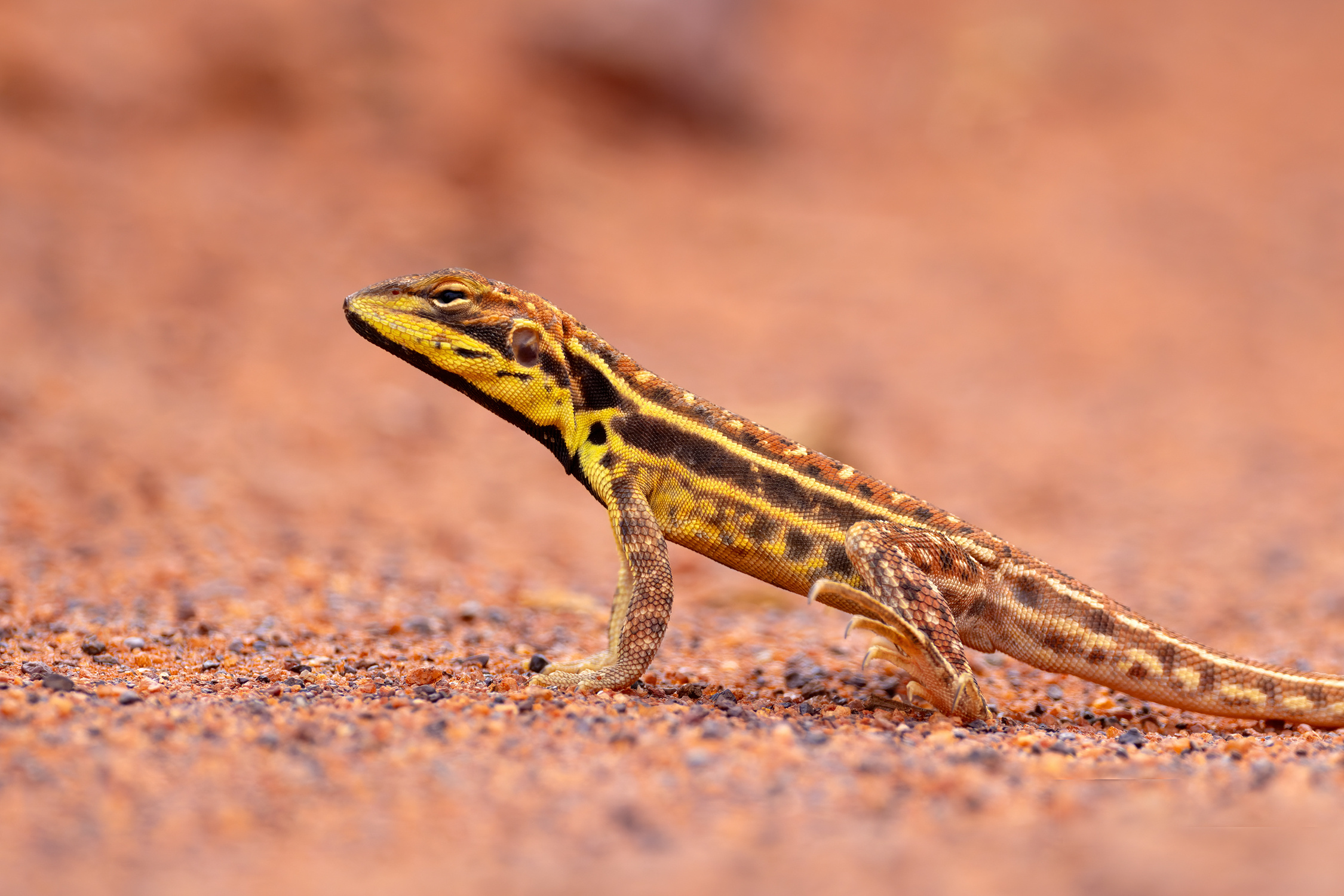
    Among the most frequently photographed is the Military Dragon, a hardy and widespread species across Australia’s arid zones. Its patterned scales blend seamlessly into the red dunes and spinifex plains, making it both a challenge and a delight to photograph. Active and alert, it rarely stays still for long — constantly foraging, pausing, scanning, then darting forward again.

    Poised to Launch: The Jumping Lizard in Motion

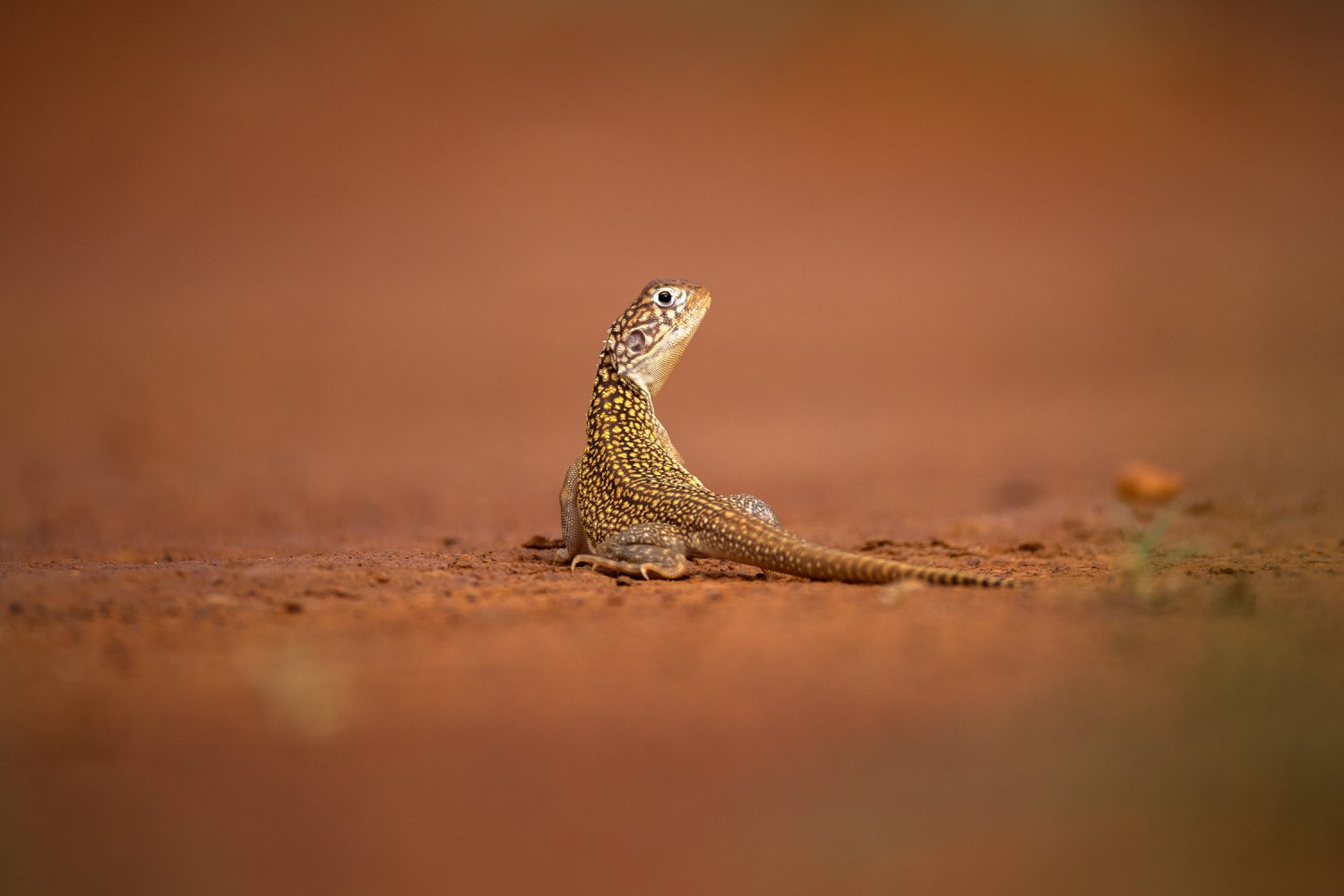
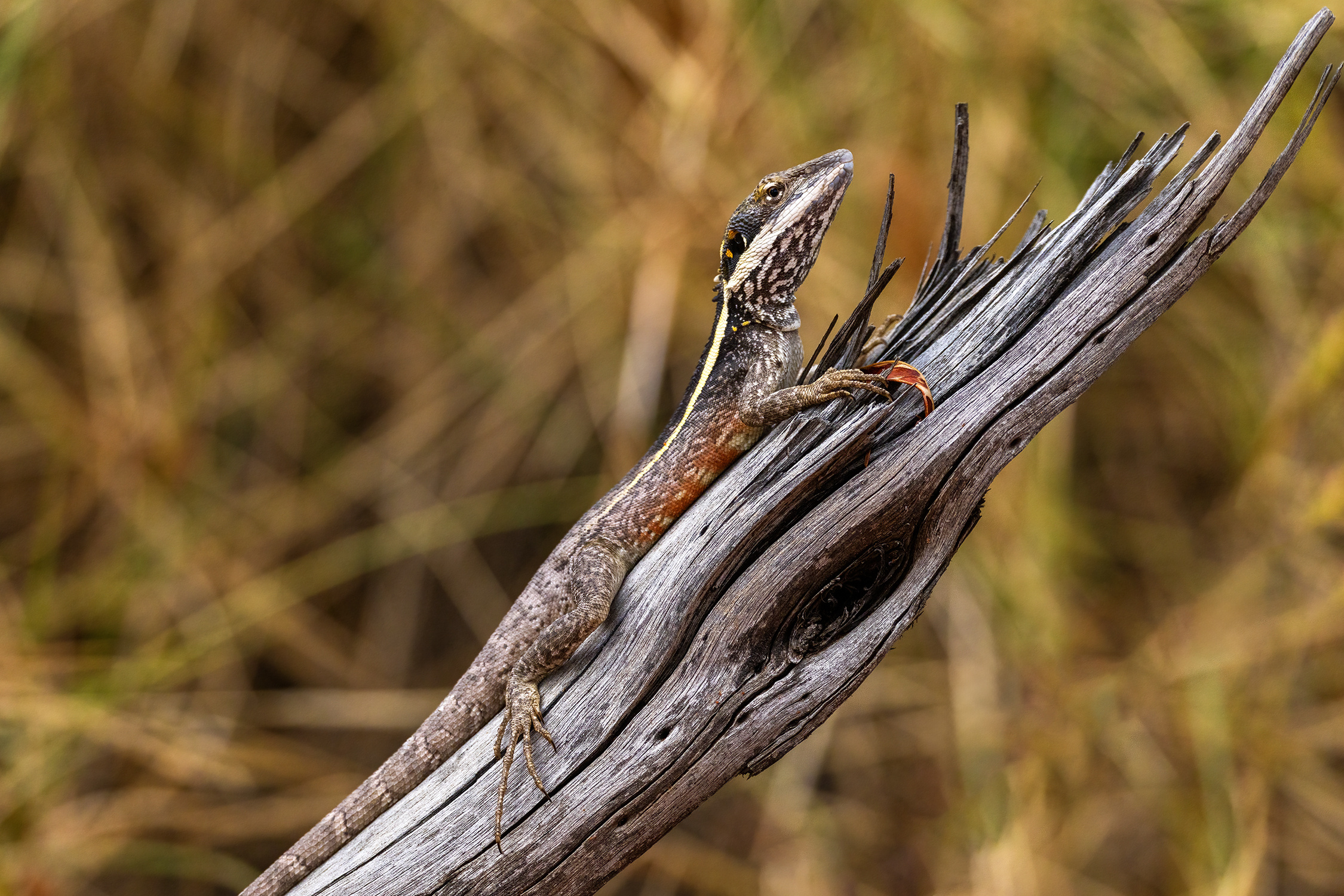
    Sharing this landscape is the agile Jumping Lizard, a species that brings a completely different energy to the frame. Where the Military Dragon often patrols the ground, the Jumping Lizard favours elevation — termite mounds, fallen branches, low shrubs — sitting upright and alert before launching into sudden motion. Its powerful hind legs allow it to spring clear of danger in an instant, turning stillness into explosive movement. Photographing one mid-leap captures a different side of desert survival: not endurance against heat alone, but speed, precision and timing.

    When Speed Becomes Survival

    One of my favourite moments in the field happened in a split second. I watched a Military Dragon bolt across open ground at extraordinary speed. When it hit a small sand hump, it launched clean off the crest and, for a heartbeat, was airborne — not a glide, not a planned leap, just pure momentum carrying it forward. It was a reminder of just how powerful and explosive these small reptiles can be. In the harsh openness of the desert, speed can mean survival.

    The Jumping Lizard expresses that same alert energy from a different stage of the landscape. Frequently seen perched upright on tree trunks and low branches, it uses height as both lookout and launchpad. In the image accompanying this piece, the lizard clings confidently to the bark, poised and watchful, ready to spring at the slightest disturbance. Whether it’s a Military Dragon briefly taking flight over a dune or a Jumping Lizard balanced against the rough texture of a tree, these moments reveal the athletic precision that underpins survival in the Tanami.

    A Desert Monument

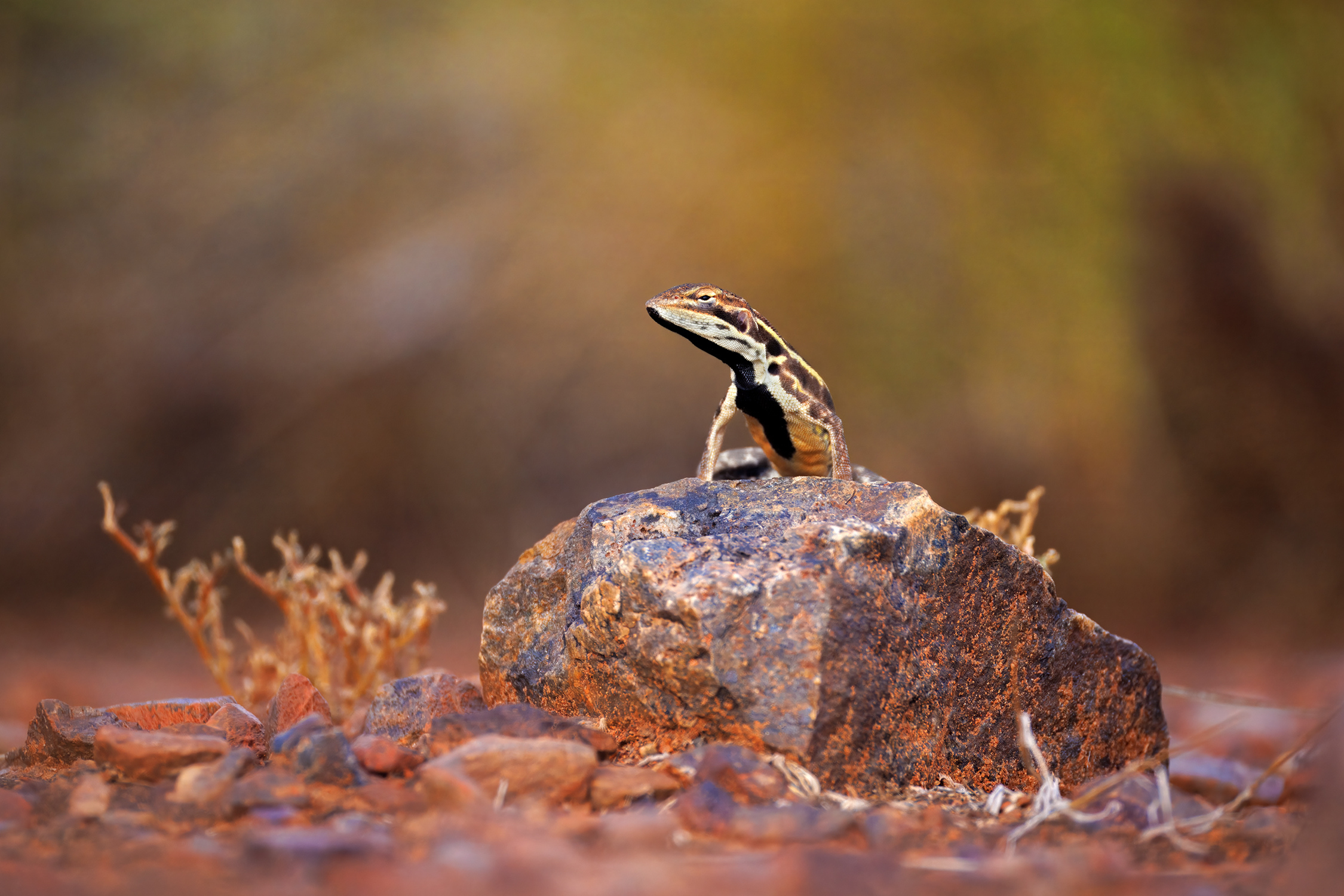
    One image that always stands out shows a Military Dragon perched atop a sun-baked rock, surveying its surroundings with quiet authority. From the camera’s perspective, the lizard appears almost monumental — a tiny yet imposing sentinel against the vast red desert backdrop. The way the light hits the rock and casts subtle shadows around its patterned scales gives the scene a sculptural quality, as if the desert itself has honoured this little creature with its own pedestal. It’s a striking reminder that even the smallest desert inhabitants can command attention and convey a sense of grandeur when captured in the right moment.

    Dancing on Scorching Sand

    In another photograph from the same series, a lizard is captured lifting its rear toes and resting back on its heels, minimising contact with the scorching sand. This subtle posture — a clever behavioural response to extreme surface temperatures — tells its own story. You can almost feel the heat radiating through the frame.

    Adaptation in Every Frame

    In the Tanami, every frame reveals adaptation in action — whether it’s a dragon frozen in perfect camouflage, balanced delicately above blistering ground, or travelling so fast it briefly takes flight.


    Seasonal Colours: Breeding Transformation

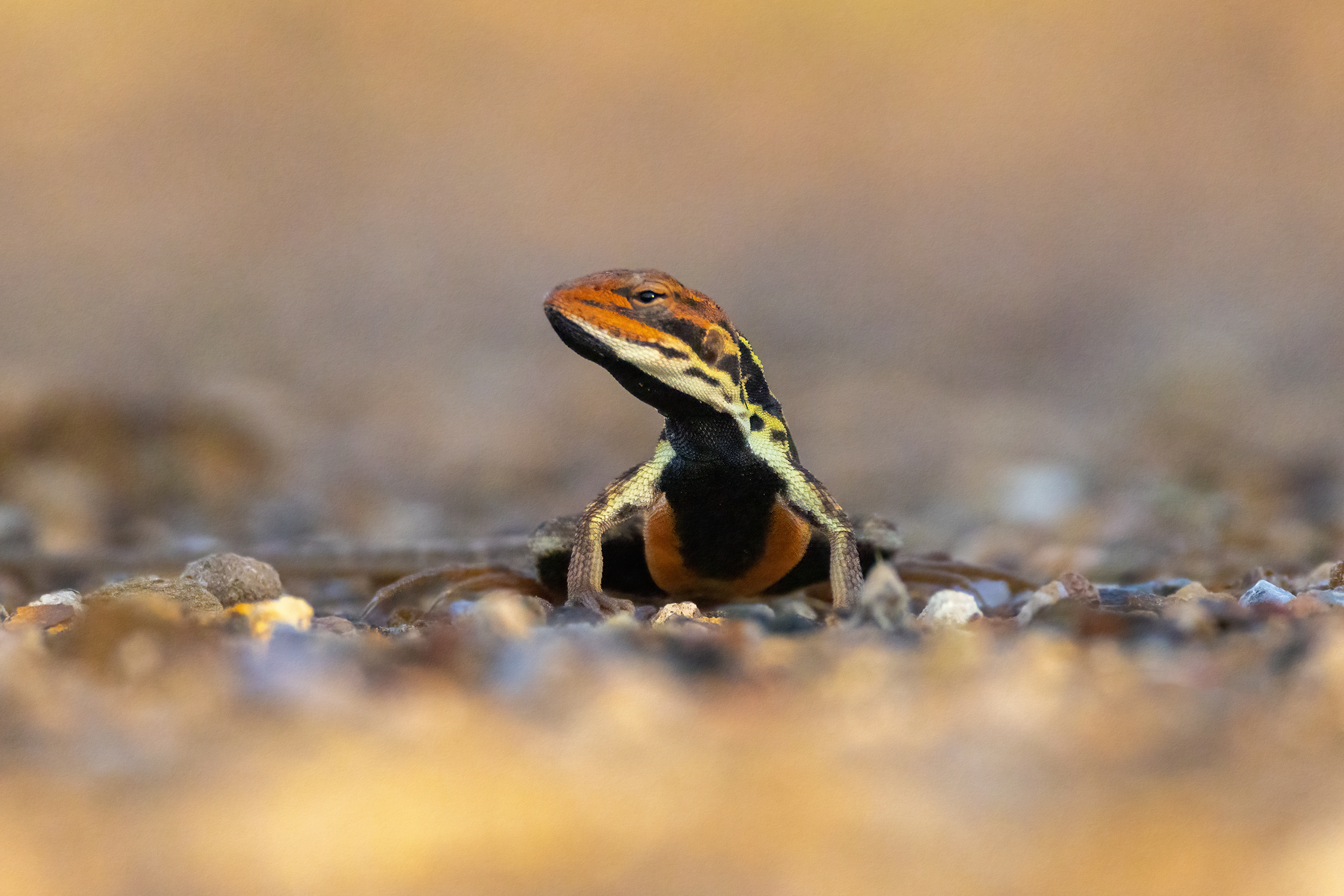
    During the breeding season, Military Dragons undergo a noticeable colour transformation. Their normally pale underside can darken dramatically to black, while brighter yellow tones become more pronounced — particularly in males, who use these intensified colours as part of courtship and territorial displays. This seasonal shift adds another layer of visual interest for photographers. A dragon that appears subtly patterned for most of the year can suddenly look bold and high-contrast, its dark belly absorbing heat while its brighter flanks signal strength and readiness to breed. It’s yet another reminder that even familiar subjects can surprise you, depending on the season and the story unfolding in front of you.


    Reading the Heat in Every Frame

    Look closely at the details within each frame below — the harshness of the light, the angle of the body, the tension held in those lifted limbs. Can you work out how hot the sand was that day just from those subtle clues? Now compare those scenes to photographs taken in winter, when the desert floor is cool and the lizards move with far more relaxed ease. The contrast is striking. And while you’re studying the heat written into the landscape, see if you can also spot the breeding males — their darkened bellies and brighter yellow tones standing out against the red earth. As you scroll through the images, I invite you to read the country as carefully as the subject, and see if you can feel not only the temperature of the Tanami, but the season unfolding through the lens.

  • Out of Hemisphere: The Bird in My Backyard

    Out of Hemisphere: The Bird in My Backyard

    The Year an Arctic Wanderer Found Australia

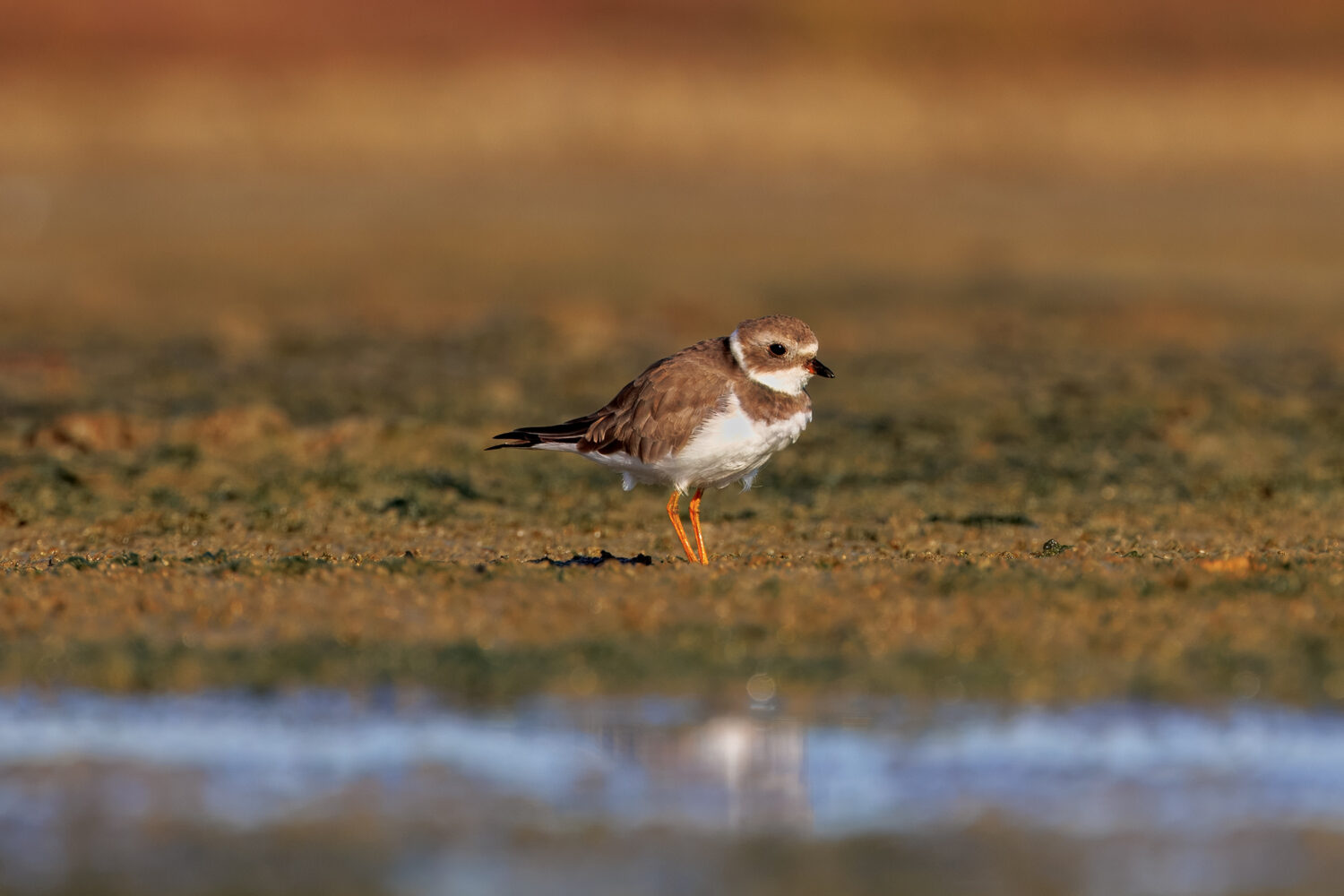
    For me, the story started in 2021, when a single Semipalmated Plover quietly rewrote Australian birding history. This small, compact shorebird — a species that breeds in the Arctic and typically migrates between North and South America — had somehow crossed the Pacific and arrived in Australia. Not as part of a flock. Not as one of many vagrants. But as the only individual of its kind in the entire country.

    Interesting facts

    • Semipalmated Means Partly Webbed. Unlike many other plovers, this species has partial webbing between its toes. The name “semipalmated” literally refers to these small webs, which likely help it move efficiently across soft mud and wet sand — a subtle but clever adaptation for life on tidal flats.
    • An Arctic Breeder. Semipalmated plovers nest in the high Arctic tundra, often on sparsely vegetated gravel ridges. Their nests are simple scrapes in the ground, sometimes lined with tiny pebbles or bits of lichen — beautifully camouflaged against the stark landscape.
    • A Marathon Migrant. This bird undertakes long migratory journeys between Arctic breeding grounds and wintering areas that can extend as far south as Brazil. Some individuals cross the Gulf of Mexico in a single flight — an extraordinary feat for a bird barely 18 cm long.
    • The Classic “Run-Stop-Peck” Style. If you’ve photographed them feeding, you’ve probably noticed the signature plover technique: quick sprint, abrupt stop, sudden peck at prey. They rely heavily on vision, scanning for tiny invertebrates — marine worms, crustaceans, and insects — before darting in with precision.
    • A Bold Breeding Look. In breeding plumage, the semipalmated plover has: A crisp white belly, brown upperparts, a single bold black breast band, a distinctive orange-and-black bill, bright orange legs. The strong facial pattern — dark mask, white forehead, and sharp contrast lines — makes them especially photogenic, particularly in clean coastal light.
    • Masters of Distraction. When predators approach the nest, adults may perform a dramatic “broken-wing display”, fluttering along the ground as if injured to lure threats away from their eggs or chicks. It’s a theatrical and effective survival strategy.

    A Bird That Rewrote Australian Records

    For several consecutive years, a single Semipalmated Plover quietly rewrote Australian birding history.

    A Hemisphere Off Course

    This small Arctic-breeding shorebird — a species normally found migrating between North and South America — somehow crossed the Pacific and arrived in Australia. Not as part of a flock. Not as one of many vagrants. But as the only individual of its kind in the entire country. And it chose a wetland five minutes from my home.

    A Navigational Error of Epic Scale

    For a bird that typically nests on the tundra of northern Canada and winters along the coasts of the Americas, Australia is wildly off-course. Its presence here was the result of navigational error on a staggering scale — a migration gone astray by thousands of kilometres. Yet there it was: feeding calmly along the muddy margins, running, stopping, pecking, as though it had always belonged. For several years in a row, it returned.

    Fidelity in a Foreign Land

    That detail is perhaps the most astonishing of all. Vagrant birds appear unexpectedly, often briefly, then vanish. But this individual showed site fidelity to a place half a world away from its normal range. It survived. It navigated. It came back.

    A Global Rarity on My Local Patch

    From a photographer’s perspective, the experience felt almost surreal. A species that birders in Australia could only dream of — normally requiring a trip to the Arctic or the Americas — was suddenly part of my local patch. No airport. No expedition. Just a short walk from home.

    When a Mistake Becomes a Gift

    There’s something deeply humbling about that. Migration is one of nature’s great feats of precision — and occasionally, of profound error. This bird’s journey was likely the result of a misaligned compass, weather displacement, or a young bird imprinting on the wrong migratory route. Yet what began as a mistake became a gift: an opportunity to observe and photograph rarest species in the country far beyond its expected world.

    Join the Conversation

    Encounters like this remind us why we watch birds in the first place — because at any moment, the unexpected can step quietly into view. Have you ever experienced a rare visitor on your local patch? Or witnessed a migration moment that stopped you in your tracks?

    I’d love to hear your thoughts.Leave a comment below and share your experiences, reflections, or questions about this remarkable Semipalmated Plover. Your stories and insights are part of what make the birding and nature photography community so special — and I’m always keen to continue the conversation.

  • From Egg to Flight: Documenting the Life Cycle of Cattle Egrets

    From Egg to Flight: Documenting the Life Cycle of Cattle Egrets

    While I set out with a single goal — to photograph the lilac hues of breeding cattle egrets — it quickly became clear that I was witnessing something far richer. The scenes unfolding around me offered enough material for an entire project: a visual record of the full life cycle of the cattle egret.

    The cattle egret (Bubulcus ibis) is a migratory bird best known for its close association with livestock. It is often seen following cattle and other grazing animals, capitalising on insects disturbed by their movement. What follows is an overview of its remarkable life cycle, much of which I was fortunate enough to observe firsthand.

    1. Egg Stage

    • Breeding:
      Cattle egrets typically breed in large colonies, nesting in trees, shrubs or reed beds, usually close to water. In Australia, breeding often coincides with the wet season, when food is abundant.

    During the breeding season, cattle egrets undergo a dramatic transformation. Their usually understated white plumage is enlivened by soft lilac tones, while long plumes on the head, neck and back are raised and fluffed during elaborate courtship displays. At times, the birds resemble miniature birds-of-paradise, posturing and preening as they advertise their fitness to potential mates.

    These displays are followed by brief but decisive mating interactions, often taking place on the nesting platform or nearby branches. Though the act itself is quick, it marks the beginning of a tightly coordinated partnership, with both birds sharing nesting, incubation and chick-rearing duties.

    Even birds-of-paradise would envy these plumes
    • Eggs:
      The female lays between two and five eggs per clutch. The eggs are typically pale blue to greenish in colour.
    • Incubation:
      Both parents share incubation duties, taking turns on the nest. This stage lasts around 21–25 days before the chicks hatch.

    Although the chicks were never visible from my vantage point, concealed deep within the nests, their voices carried far. Their insistent begging transformed the colony into a constant chorus long before any young birds could be seen.

    2. Chick Stage

    • Hatching:
      Newly hatched chicks are blind and covered in soft down. Completely dependent on their parents, they rely on them for warmth, protection and food.
    • Feeding:
      Adults feed their young a steady diet of insects, small vertebrates and other invertebrates gathered while foraging.

    The colony I observed raised an estimated 25–30 chicks this season. Families ranged from one to three chicks, and the more mouths to feed, the more chaotic the process became. To receive food, a chick must grasp an adult’s beak — no easy task when the nest is perched on papyrus. Unlike sturdy tree branches, papyrus offers little stability. Picture one bird struggling to balance, then add two squabbling chicks lunging for food. In one case, a parent with three hungry offsprings made a hasty retreat when the situation became untenable.

    Time to retreat!
    • Growth:
      Over the next three to four weeks, the chicks grow rapidly. Their eyes open, feathers develop, and they become increasingly active within the nest.

    Once they are large enough to hop from one papyrus stalk to the next, the chicks begin venturing out while waiting to be fed. And there is plenty of waiting involved. This downtime gives siblings ample opportunity to play, squabble, preen and occasionally irritate one another.

    Where are you, mum?
    The loudest voice in the choir
    • Fledging:
      At around four to five weeks of age, young egrets take their first flights. Even then, they may continue to rely on their parents for food and guidance.

    3. Juvenile Stage

    • Independence:
      After fledging, juveniles gradually learn to forage on their own, often shadowing adults as they refine their skills.
    • Social structure:
      Young cattle egrets tend to remain in family groups or loose colonies, benefiting from safety in numbers.
    • Maturation:
      By about six months, juveniles reach full physical size. Their adult white plumage, often with subtle yellowish tones, develops around this time.

    As the weeks passed, I noticed a fascinating shift within the colony. More and more young birds were waiting outside their nests for their parents, while the adults’ vibrant breeding colours began to fade. At this stage, the most reliable distinguishing feature was the beak: adults sported yellow beaks, while juveniles retained black ones. Can you spot the adult bird in the image below?

    4. Adult Stage

    • Breeding:
      At roughly one year of age, cattle egrets are ready to breed. During the breeding season, adults — particularly males — once again develop striking yellow to orange colouring on the head, neck and back, standing in vivid contrast to their white plumage. And so the cycle repeats.
    • Lifespan:
      In the wild, cattle egrets can live for 10–15 years, though many face threats from predation and increasing human pressures.

  • Breeding Blues: My Adventure Photographing the Lilac Cattle Egret

    Breeding Blues: My Adventure Photographing the Lilac Cattle Egret

    Discovering the Colony

    About six years ago, when I first discovered a cattle egret colony nesting in papyrus right next to my house, I saw a rare opportunity. With such close access, I decided to focus on photographing the birds in their breeding blush—the reddish or pinkish coloration that appears on certain parts of the plumage during the breeding season.

    First Attempts at the Breeding Blush

    This colouring typically develops on the face, throat and breast of males, and occasionally females, though it is most pronounced in males. One image from that first year became my strongest photograph of the species. You can find it in the story linked here.

    Learning About the Lilac Phase

    What I later learned, however, was that cattle egrets can display an even more striking and fleeting plumage condition. At the peak of the breeding season, the base of the bill, lores, orbital rings, and eyes can turn a vivid lilac-blue. These colours may last only a few days, making the condition rare and difficult to photograph. “Challenge accepted,” I thought, already beginning to mentally frame it as a photographic project.

    Missing the Moment

    I made annual attempts to observe the egrets, but it took a couple of years to realise that I was consistently missing this brief window and needed to begin my observations much earlier.

    At the end of 2025, I returned to the egret colony with renewed determination.

    Gaining Access to the Canopy

    As the years passed, the papyrus grew ever taller, and my original method—using a three-metre A-frame ladder to reach the top of the colony—was no longer workable. A five-metre ladder was now required, and the only practical option was to lean it against a nearby tree.

    I visited the site both in the morning and afternoon to study the direction and quality of light, eventually narrowing my options to several suitable trees. This is what the setup looked like. The position gave me access to the canopy and clear views into the daily life of the colony.

    Papyrus plantation

    This is what it looked like from the outside. No sign of egrets!

    My setup

    This is how I was spending best time of my day.

    A Colony at Many Stages

    It soon became apparent that the birds were at very different stages of breeding. Some were mating, while others already had chicks begging for food. As a result, some birds were only just developing breeding plumage, while others were likely already moulting. It is possible that this staggered breeding reflects an adaptive strategy, potentially reducing the risk of losing the entire breeding season to a single catastrophic event, such as a cyclone or other environmental disturbance.

    Patience in the Field

    At any given day, I could usually see only a single bird that matched my criteria—and because individuals didn’t remain in the colony continuously, this involved a lot of waiting.

    Success at Last

    This time, I spent almost every morning in the tree for several weeks, from late December through to February. I’m happy to report that I believe I achieved my goal. I managed to find several birds showing the lilac-blue colouration I was hoping for.

    An Unexpected International Chapter

    Interestingly, I also encountered a couple of particularly bright individuals while photographing in Indonesia, turning this project into an unexpectedly international one. Below are the results of my efforts.

    Cattle Egret in Breeding Blush, Rice Fields of Indonesia

    What Influences the Colouration

    While working on this series, I also learned that this colouration is not only extremely short-lived, but can vary greatly depending on diet, environment and the hormonal condition of each individual bird. In some cases, it may be subtle—or entirely absent.

    Looking Ahead

    I’ll continue observing this colony in the hope that one day I’ll photograph an even brighter individual.

    Your Experiences in the Field

    Let me know in the comments below — have you had any luck photographing lilac cattle egrets? Have you ever seen them an even brighter blue?