Category: Birds

  • Bringing Nature to the Office: A Photography Project That Inspires

    Bringing Nature to the Office: A Photography Project That Inspires

    As a nature photographer based in Australia, I’ve always found joy in capturing the delicate moments of wildlife. From the colourful wings of birds to the quiet elegance of plants, each photograph tells a story of life’s intricate balance. Recently, I had the opportunity to share this passion in an unexpected way—by transforming the office walls of my workplace into a living gallery of nature.

    The Story Behind the Artwork

    It all began when my company opened a new office in my city. The space was vast, with empty walls that echoed the potential for something special. A couple of engineers from my team visited the office to check out the space, and while they were there, they were told about the challenge of finding artwork that would complement the room and create an inviting atmosphere. Knowing my background in photography, they thought I might be able to assist.

    When they mentioned the issue to me later, the idea immediately clicked. Why not bring my nature photography into the office? The more I thought about it, the more it felt like the perfect fit.

    When it came time to select the images, my criteria went beyond just matching colours to the office decor. I wanted to capture photographs that not only aligned with the aesthetic but also held a deeper connection to the company’s work environment. After all, this office wasn’t just any space—it was a place where innovation and hard work took place. So, I decided to focus on images taken at or near our work site. This way, the art would feel personal and rooted in the very space where we all came together to create, collaborate, and contribute.

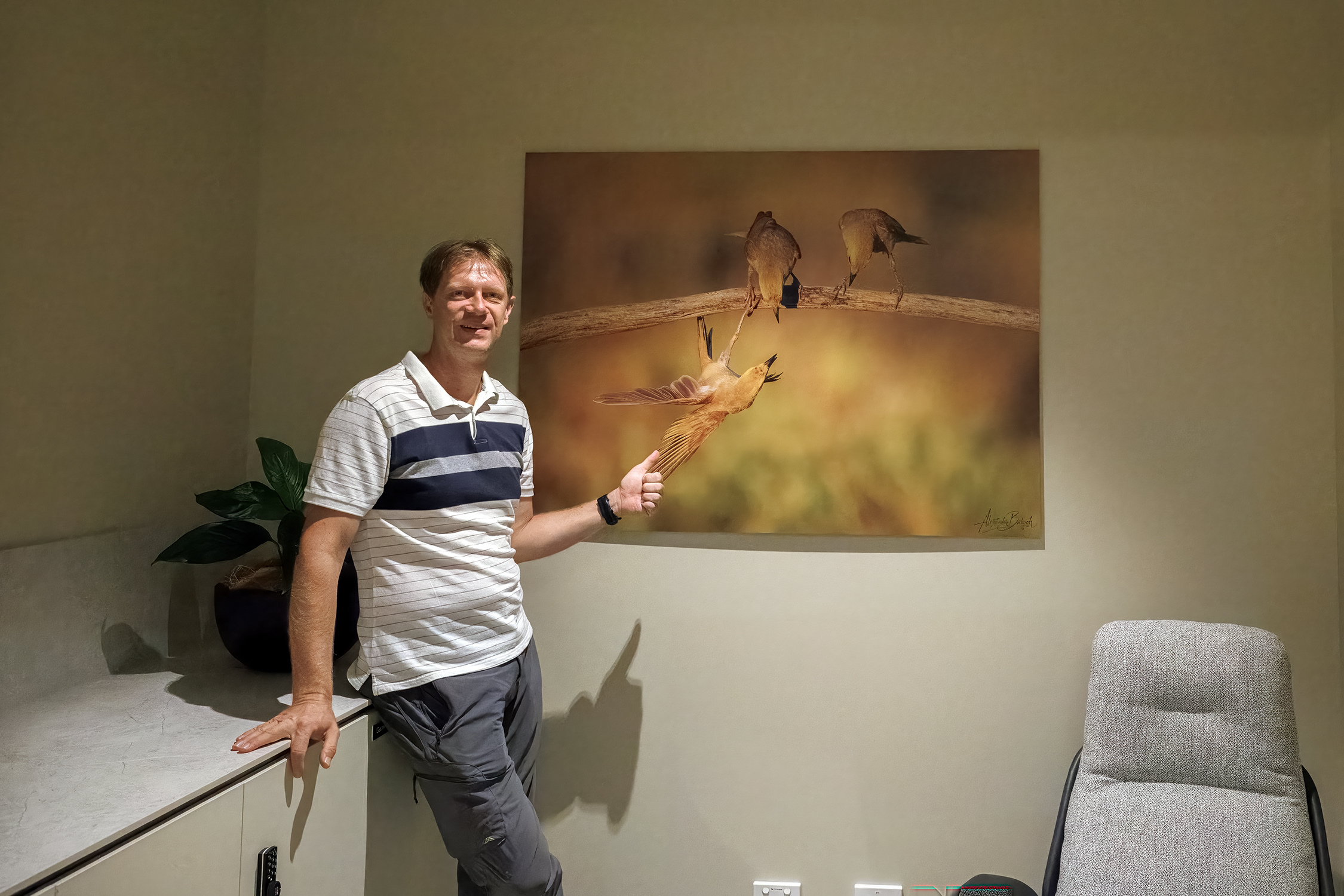
    After discussing the vision, we dived into the project. I took measurements of the office walls, defined the scope, and began narrowing down the perfect images. Ultimately, I chose a series of large prints featuring zebra finches—those tiny, vibrant birds that are as full of life as they are beautiful. These birds not only captured the essence of nature’s wonder but were also photographed in the immediate vicinity of the work site, giving the art an added layer of meaning and connection.

    In addition to bringing my nature photography into the office, my role was to carefully select and prepare the images for print. Out of the thousands of photos I’ve captured, I had to narrow it down to just 11 that would truly convey the essence of nature and complement the office’s atmosphere. Selecting these images was both thrilling and challenging, as each one needed to not only stand out on its own but also create a harmonious visual experience when displayed together.

    Once I had the final 11, I digitally processed each image to ensure they were properly colour-corrected, sharpened, and adjusted for the best possible quality. The goal was to make sure every photo looked vibrant and crisp before sending them off to the lab for printing. Although I wasn’t directly involved in the printing process itself, I worked closely to ensure that the digital files were prepared to the highest standard before they were sent off for the large-scale prints.

    The Print Process

    We chose to print the images on large aluminium plates, which added a sleek, modern touch to the office while also enhancing the vivid colours of the photographs. The high-quality prints came out looking amazing—vibrant, sharp, and full of detail. The moment I saw the finished pieces, I was excited but also a little nervous. Would they look as good in the space as they did on my computer screen?

    The answer was yes. The artwork fit seamlessly into the office. The colors of the finches blended beautifully with the space, and I could already tell that the office workers were responding to it positively.

    A Funny Moment Captured

    But the second image in the series added an extra layer of personality. In this shot, I captured a hilarious moment from the life of grey-headed honeyeaters. Two of the birds are perched on top, looking down at a third bird who’s hanging from a foot—literally, clinging on with one foot as it dangles below the others.

    What makes this moment even more amusing is that one of the birds perched on top appears to be standing directly on the foot the bottom bird is hanging from! It’s almost as if the perched birds are either trying to help or laughing at the situation, as if they’re asking, “What now?” or “How did this happen?” It’s a perfect snapshot of nature’s funny and unpredictable moments.

    I hope this photograph, in particular, will bring a smile to people’s faces every time they pass by it. It’s one of those moments that reminds us how humour and joy can come from the most unexpected places—even in the lives of small, delicate birds.

    Installation Day: A Moment of Pride

    The day the prints were installed was a memorable one. Watching the installation process was thrilling—I saw how the pieces, each one larger than life, transformed the space. They breathed life into what was once a sterile, empty room, and I was pleased to see the team reacting with such enthusiasm. The vibrant colours and delicate forms of the zebra finches seemed to instantly create a connection with everyone around.

    But what truly made this experience even more fulfilling was hearing a comment from one of my colleagues. A lady from the office mentioned she was so inspired by the zebra finches that she was planning to draw them! To know that my work had sparked someone’s creativity was truly heartwarming. It was a reminder that art does more than decorate a space—it can inspire new ideas, provoke thought, and even encourage a deeper connection with nature.

    The Impact of Art in the Workplace

    It’s funny how something as simple as a photograph of a bird can carry such profound meaning. In an office filled with engineers and professionals working on complex projects, having a piece of nature on the walls provides a subtle, yet powerful reminder of how delicate life can be. The zebra finches, with their intricate patterns and vibrant colours, serve as a daily inspiration to stay mindful of the balance in nature and the world around us.

    For me, this project has been a fulfilling journey. Not only did I get to share my passion for nature photography, but I also created an environment where creativity and inspiration can flourish. Art in the workplace isn’t just about making the space look nice—it’s about cultivating an atmosphere where people feel motivated, connected, and inspired.

    Looking Ahead: Nature Talks at Work?

    Reflecting on the positive impact these photos have had on the team, I can’t help but wonder if there’s an opportunity to take this even further. Wouldn’t it be interesting to host a presentation or discussion about the nature surrounding us at work? I could share more about the specific species we see in and around the office, dive deeper into their behaviours, and even uncover some funny facts about our feathered friends—like those grey-headed honeyeaters and their amusing antics!

    I think it could be a fun, educational experience that encourages us all to appreciate the small, often-overlooked wonders of the natural world, right outside our doors. Who knows—maybe we’ll even inspire a few more budding artists, photographers, or wildlife enthusiasts within the team!

    As for me, I’m already thinking about the next opportunity to bring more of nature’s beauty into spaces where people work and create. After all, art has the power to shape not just our surroundings but also our mindset.

    So, here’s to the little moments of inspiration—and to the zebra finches that now have a home in the office, inspiring us all every day.

  • Captured in the Snow: The beauty of the Comb-crested Jacana

    Captured in the Snow: The beauty of the Comb-crested Jacana

    This story began during my search for compelling, storytelling images when I decided to visit one of the local parks. Initially, there was nothing particularly exciting or unusual to photograph. It wasn’t until near the end of my walk, at the shallow end of the lake, that I noticed a stunning sight: a blanket of snowflakes covering the water like a pristine white carpet.

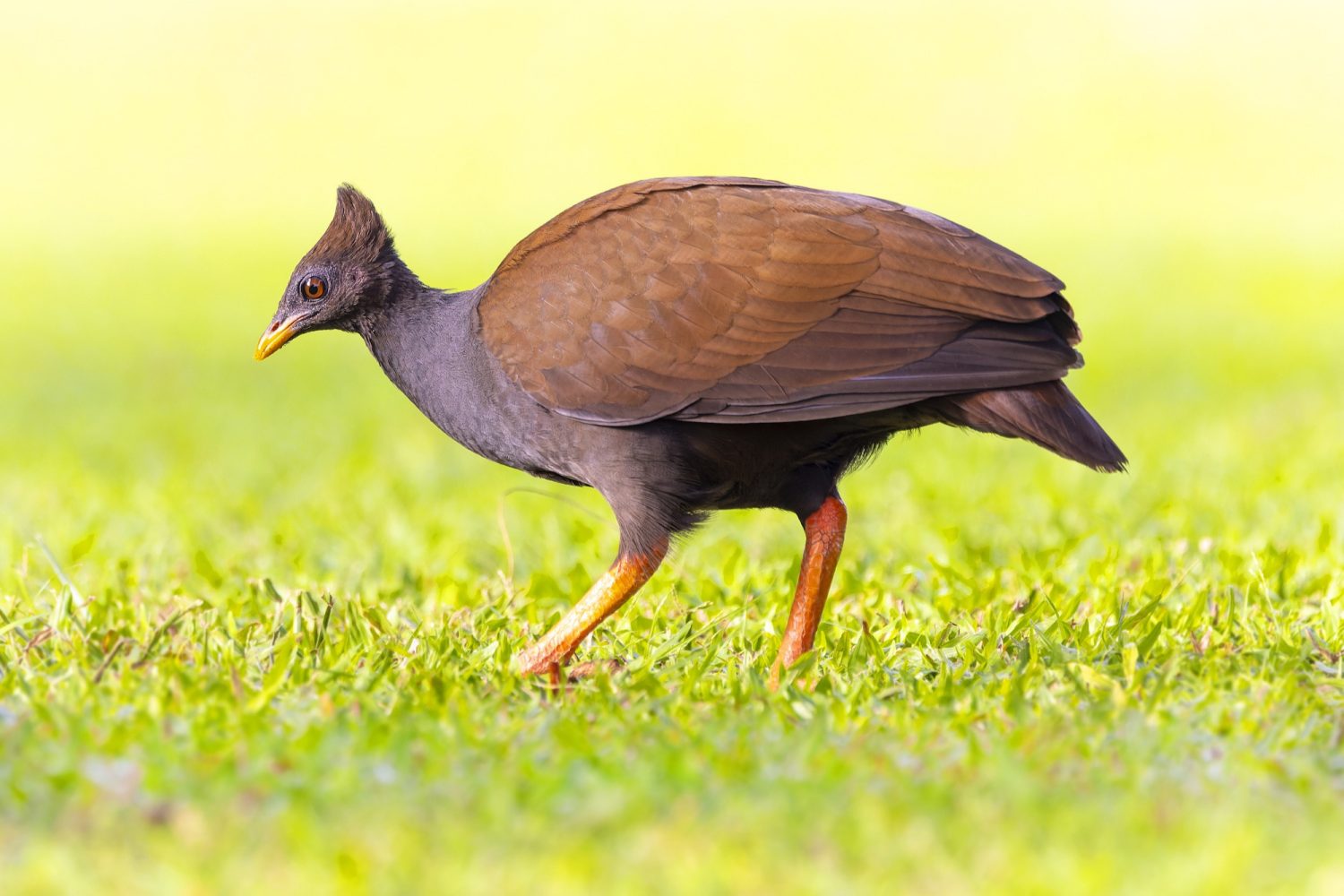
    Whenever I come across flowers like these, I always aim to capture a bird amongst them, and this time, I was fortunate enough to have a live model to bring my idea to life – a Comb-crested Jacana. This bird is an intriguing species, typically quite skittish, but on this occasion, when it noticed me, it quickly ran to the edge of the lake, where I managed to capture a rare shot of it on the grass. This was a moment I don’t recall ever witnessing before, and a great achievement in itself.

    To minimise my impact on the scene, I lay down and used my camouflage to blend in. While the bird remained aware of my presence, it was calm enough to relax and begin moving around. Gradually, I was able to inch closer to my vision of having the Jacana surrounded by the delicate snowflakes. Over the next two hours, I worked my way from the edge of the lake, getting progressively closer to the centre of the blooming carpet.

    The results of my two-hour session are proudly shared below.

  • My best photos from 2023

    My best photos from 2023

    In this article, I want you to focus on enjoying the photos, rather than wading through lengthy explanations. For those of you who follow most of my posts, you’ll likely find full articles with all the behind-the-scenes details for many of these shots.

    Included in these shots are photos of the black butcherbird, where I experimented with the dark key technique, a house sparrow against a colorful seed-filled background, a dotterel stretching a worm, a bee-eater captured mid-flight, and a megapode making a loud call.

    That said, I’d love to hear your thoughts—let me know which photo is your favourite!

  • Out of Hemisphere: The Bird in My Backyard

    Out of Hemisphere: The Bird in My Backyard

    The Year an Arctic Wanderer Found Australia

    For me, the story started in 2021, when a single Semipalmated Plover quietly rewrote Australian birding history. This small, compact shorebird — a species that breeds in the Arctic and typically migrates between North and South America — had somehow crossed the Pacific and arrived in Australia. Not as part of a flock. Not as one of many vagrants. But as the only individual of its kind in the entire country.

    Interesting facts

    • Semipalmated Means Partly Webbed. Unlike many other plovers, this species has partial webbing between its toes. The name “semipalmated” literally refers to these small webs, which likely help it move efficiently across soft mud and wet sand — a subtle but clever adaptation for life on tidal flats.
    • An Arctic Breeder. Semipalmated plovers nest in the high Arctic tundra, often on sparsely vegetated gravel ridges. Their nests are simple scrapes in the ground, sometimes lined with tiny pebbles or bits of lichen — beautifully camouflaged against the stark landscape.
    • A Marathon Migrant. This bird undertakes long migratory journeys between Arctic breeding grounds and wintering areas that can extend as far south as Brazil. Some individuals cross the Gulf of Mexico in a single flight — an extraordinary feat for a bird barely 18 cm long.
    • The Classic “Run-Stop-Peck” Style. If you’ve photographed them feeding, you’ve probably noticed the signature plover technique: quick sprint, abrupt stop, sudden peck at prey. They rely heavily on vision, scanning for tiny invertebrates — marine worms, crustaceans, and insects — before darting in with precision.
    • A Bold Breeding Look. In breeding plumage, the semipalmated plover has: A crisp white belly, brown upperparts, a single bold black breast band, a distinctive orange-and-black bill, bright orange legs. The strong facial pattern — dark mask, white forehead, and sharp contrast lines — makes them especially photogenic, particularly in clean coastal light.
    • Masters of Distraction. When predators approach the nest, adults may perform a dramatic “broken-wing display”, fluttering along the ground as if injured to lure threats away from their eggs or chicks. It’s a theatrical and effective survival strategy.

    A Bird That Rewrote Australian Records

    For several consecutive years, a single Semipalmated Plover quietly rewrote Australian birding history.

    A Hemisphere Off Course

    This small Arctic-breeding shorebird — a species normally found migrating between North and South America — somehow crossed the Pacific and arrived in Australia. Not as part of a flock. Not as one of many vagrants. But as the only individual of its kind in the entire country. And it chose a wetland five minutes from my home.

    A Navigational Error of Epic Scale

    For a bird that typically nests on the tundra of northern Canada and winters along the coasts of the Americas, Australia is wildly off-course. Its presence here was the result of navigational error on a staggering scale — a migration gone astray by thousands of kilometres. Yet there it was: feeding calmly along the muddy margins, running, stopping, pecking, as though it had always belonged. For several years in a row, it returned.

    Fidelity in a Foreign Land

    That detail is perhaps the most astonishing of all. Vagrant birds appear unexpectedly, often briefly, then vanish. But this individual showed site fidelity to a place half a world away from its normal range. It survived. It navigated. It came back.

    A Global Rarity on My Local Patch

    From a photographer’s perspective, the experience felt almost surreal. A species that birders in Australia could only dream of — normally requiring a trip to the Arctic or the Americas — was suddenly part of my local patch. No airport. No expedition. Just a short walk from home.

    When a Mistake Becomes a Gift

    There’s something deeply humbling about that. Migration is one of nature’s great feats of precision — and occasionally, of profound error. This bird’s journey was likely the result of a misaligned compass, weather displacement, or a young bird imprinting on the wrong migratory route. Yet what began as a mistake became a gift: an opportunity to observe and photograph rarest species in the country far beyond its expected world.

    Join the Conversation

    Encounters like this remind us why we watch birds in the first place — because at any moment, the unexpected can step quietly into view. Have you ever experienced a rare visitor on your local patch? Or witnessed a migration moment that stopped you in your tracks?

    I’d love to hear your thoughts.Leave a comment below and share your experiences, reflections, or questions about this remarkable Semipalmated Plover. Your stories and insights are part of what make the birding and nature photography community so special — and I’m always keen to continue the conversation.

  • From Egg to Flight: Documenting the Life Cycle of Cattle Egrets

    From Egg to Flight: Documenting the Life Cycle of Cattle Egrets

    While I set out with a single goal — to photograph the lilac hues of breeding cattle egrets — it quickly became clear that I was witnessing something far richer. The scenes unfolding around me offered enough material for an entire project: a visual record of the full life cycle of the cattle egret.

    The cattle egret (Bubulcus ibis) is a migratory bird best known for its close association with livestock. It is often seen following cattle and other grazing animals, capitalising on insects disturbed by their movement. What follows is an overview of its remarkable life cycle, much of which I was fortunate enough to observe firsthand.

    1. Egg Stage

    • Breeding:
      Cattle egrets typically breed in large colonies, nesting in trees, shrubs or reed beds, usually close to water. In Australia, breeding often coincides with the wet season, when food is abundant.

    During the breeding season, cattle egrets undergo a dramatic transformation. Their usually understated white plumage is enlivened by soft lilac tones, while long plumes on the head, neck and back are raised and fluffed during elaborate courtship displays. At times, the birds resemble miniature birds-of-paradise, posturing and preening as they advertise their fitness to potential mates.

    These displays are followed by brief but decisive mating interactions, often taking place on the nesting platform or nearby branches. Though the act itself is quick, it marks the beginning of a tightly coordinated partnership, with both birds sharing nesting, incubation and chick-rearing duties.

    Even birds-of-paradise would envy these plumes
    • Eggs:
      The female lays between two and five eggs per clutch. The eggs are typically pale blue to greenish in colour.
    • Incubation:
      Both parents share incubation duties, taking turns on the nest. This stage lasts around 21–25 days before the chicks hatch.

    Although the chicks were never visible from my vantage point, concealed deep within the nests, their voices carried far. Their insistent begging transformed the colony into a constant chorus long before any young birds could be seen.

    2. Chick Stage

    • Hatching:
      Newly hatched chicks are blind and covered in soft down. Completely dependent on their parents, they rely on them for warmth, protection and food.
    • Feeding:
      Adults feed their young a steady diet of insects, small vertebrates and other invertebrates gathered while foraging.

    The colony I observed raised an estimated 25–30 chicks this season. Families ranged from one to three chicks, and the more mouths to feed, the more chaotic the process became. To receive food, a chick must grasp an adult’s beak — no easy task when the nest is perched on papyrus. Unlike sturdy tree branches, papyrus offers little stability. Picture one bird struggling to balance, then add two squabbling chicks lunging for food. In one case, a parent with three hungry offsprings made a hasty retreat when the situation became untenable.

    Time to retreat!
    • Growth:
      Over the next three to four weeks, the chicks grow rapidly. Their eyes open, feathers develop, and they become increasingly active within the nest.

    Once they are large enough to hop from one papyrus stalk to the next, the chicks begin venturing out while waiting to be fed. And there is plenty of waiting involved. This downtime gives siblings ample opportunity to play, squabble, preen and occasionally irritate one another.

    Where are you, mum?
    The loudest voice in the choir
    • Fledging:
      At around four to five weeks of age, young egrets take their first flights. Even then, they may continue to rely on their parents for food and guidance.

    3. Juvenile Stage

    • Independence:
      After fledging, juveniles gradually learn to forage on their own, often shadowing adults as they refine their skills.
    • Social structure:
      Young cattle egrets tend to remain in family groups or loose colonies, benefiting from safety in numbers.
    • Maturation:
      By about six months, juveniles reach full physical size. Their adult white plumage, often with subtle yellowish tones, develops around this time.

    As the weeks passed, I noticed a fascinating shift within the colony. More and more young birds were waiting outside their nests for their parents, while the adults’ vibrant breeding colours began to fade. At this stage, the most reliable distinguishing feature was the beak: adults sported yellow beaks, while juveniles retained black ones. Can you spot the adult bird in the image below?

    4. Adult Stage

    • Breeding:
      At roughly one year of age, cattle egrets are ready to breed. During the breeding season, adults — particularly males — once again develop striking yellow to orange colouring on the head, neck and back, standing in vivid contrast to their white plumage. And so the cycle repeats.
    • Lifespan:
      In the wild, cattle egrets can live for 10–15 years, though many face threats from predation and increasing human pressures.

  • Underwing Secrets: A Close Encounter with a Letter-Winged Kite

    Underwing Secrets: A Close Encounter with a Letter-Winged Kite

    In this article, I’m excited to share my recent encounter with one of Australia’s most elusive raptors — the Letter-winged kite. Before I dive into the story of that unforgettable sighting, let’s start with some fascinating facts about this rare and remarkable bird.

    Interesting facts

    • World’s only nocturnal raptor: The Letter-winged kite (Elanus scriptus) is a true night hunter, the only bird of prey in the world that consistently hunts exclusively after dark, rather than just occasionally being seen at night.
    • Endemic to Australia: This species occurs nowhere else, inhabiting the arid and semi-arid inland regions of the continent.
    • Distinctive wing markings: Bold black “letter-shaped” markings on the underside of the wings make the species unmistakable in flight.
    • Exceptional hearing: Like owls, Letter-winged kites rely heavily on sound to locate prey in complete darkness.
    • Silent flight: Soft-edged feathers allow near-silent flight, giving them a major advantage when hunting rodents.
    • Specialist mouse hunters: Mice form the bulk of their diet, with the species closely tied to rodent population cycles.
    • Boom-and-bust population cycles: Numbers increase rapidly during mouse plagues following good rainfall, then decline sharply as prey becomes scarce.
    • Opportunistic breeding: Breeding occurs only when food is abundant, and multiple broods may be raised in favourable seasons.
    • Daytime communal roosting: Birds roost quietly in trees during the day, often in loose groups.
    • Scarce and seldom seen: In dry years, the population is estimated at only 1,000–2,000 mature individuals, and their nomadic movements make encounters unpredictable.

    Discovering the Letter-Winged Kite

    One afternoon, walking home through an area where Black-shouldered kites are usually seen, something darker caught my eye. It didn’t take long before the bird took flight, revealing the striking black lines across the underside of its wings — not the dark wingtips I was used to.

    A Letter-winged kite! My heart raced. My camera wasn’t with me, and I knew I had to act fast. It took an hour and a half, trekking through the desert heat, to grab my gear and return — all the while hoping the bird hadn’t disappeared. Unbelievably, it was still there.

    Slowly, I approached, snapping photos and closing the distance a few metres at a time, careful not to startle it. Later, it was mobbed by crows and, almost theatrically, displayed its signature underwing “letter” again — this time for the camera.

    The photos I’m sharing aren’t works of art, but they capture the sheer luck of witnessing one of Australia’s rarest nocturnal raptors. Perhaps my first — and only — Letter-winged kite sighting.

    For anyone unfamiliar with the Letter-winged kite, it’s hard to overstate just how rare this bird is. To put that rarity into perspective, there are only around 500 recorded observations on eBird across all time. For a species that ranges over such a large part of inland Australia, that number is remarkably small and highlights just how seldom these birds are encountered, let alone photographed. Many seasoned birders will go their entire lives without seeing one in the wild.

    Observations map (all time).
    Observations map (this year).

    The map of this year’s observations tells the story at a glance. Overall sightings are few, widely scattered, and largely confined to remote inland regions, reflecting the kite’s nomadic nature and highly specialised habitat requirements. Each record represents not just a rare bird, but a fleeting moment when rainfall, prey abundance and timing have aligned just right. For a wildlife photographer, encountering a Letter-winged kite is less about planning and more about sheer luck—and that’s what makes every sighting, and every photograph, so special.

    Have you ever encountered a Letter-winged kite? Tell me in the comments below where you saw it!