
My overall impression of Bali
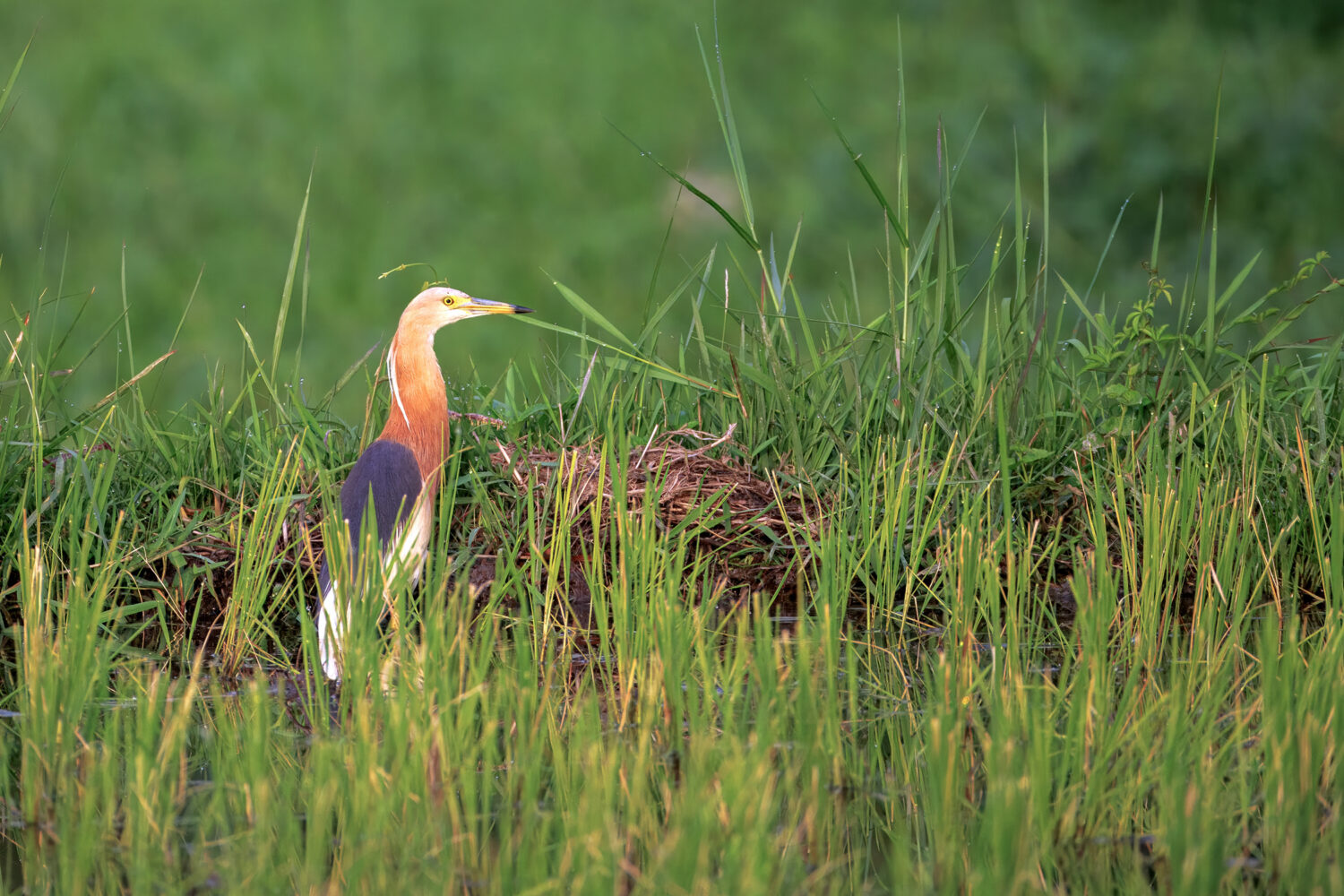
Bali is not an ideal destination for a wildlife photographer. In my experience, there are very few publicly accessible parklands or natural areas. Much of the land is heavily subdivided and intensively used for rice cultivation, meaning it is frequently flooded and difficult to traverse. Water is everywhere on Bali due to the extensive rice fields and irrigation systems, with constant running streams forming part of the landscape. Narrow strips of tall trees do exist, but access is often impossible due to surrounding rice paddies.
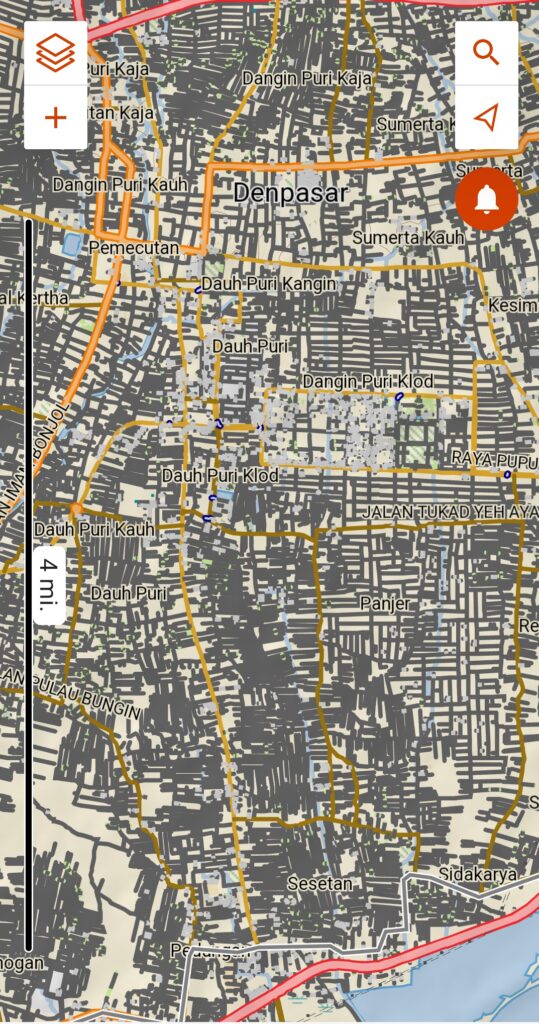
The climate is extremely humid and moist, resulting in rapid and dense vegetation growth. While this creates lush scenery, it allows birds to disperse widely rather than congregating in smaller, predictable areas. The constant sound of running water also makes it difficult to hear the calls of smaller birds, further complicating efforts to locate them. In urban and semi-urban areas, land is almost entirely given over to residential development. Waterways are noticeably polluted, and it is not uncommon to see waterbirds perched on floating islands of rubbish. Overall, it is far from a perfect location for wildlife photography.
Don’t get me wrong — I still thoroughly enjoyed the trip for many reasons, one of them being the exposure to an entirely new range of species. In Australia, it often takes me around six months to encounter a new bird, so discovering 30 new species during a short stay in Bali was genuinely exciting. I wasn’t able to photograph every species I saw, so I’ll be sharing only those I managed to capture through the lens.
There won’t be any breathtaking images in this article, and I was perfectly ready for that. Over the years, I average about one truly good image per month, each requiring hours of patient work. In Bali, my time was limited and weather conditions far from ideal, so I didn’t expect miracles. This post is really about celebrating the incredible variety of new birds I encountered, learning more about them, and observing their behaviours — not producing gallery-worthy shots.
Javan Pond-Heron
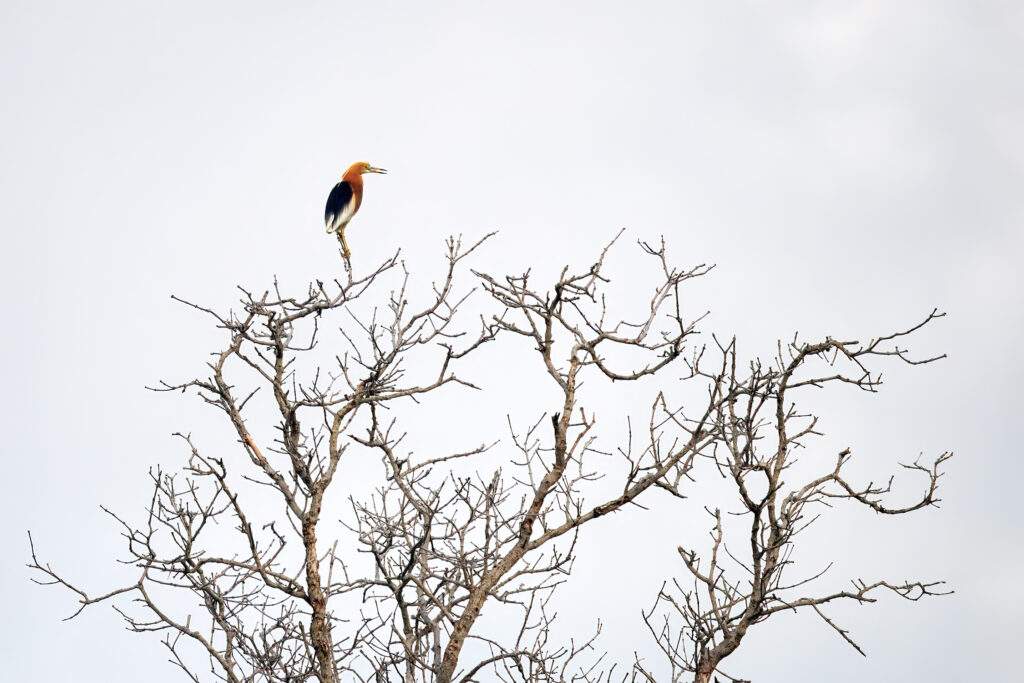
A stocky heron often seen stalking rice paddies and wetlands, changing from plain brown to striking chestnut and white during the breeding season.
Interesting fact: Outside the breeding season it looks so different that it’s often mistaken for a completely different species.
Frequently seen in rice fields, it was the very first bird I managed to photograph.
White-breasted Waterhen
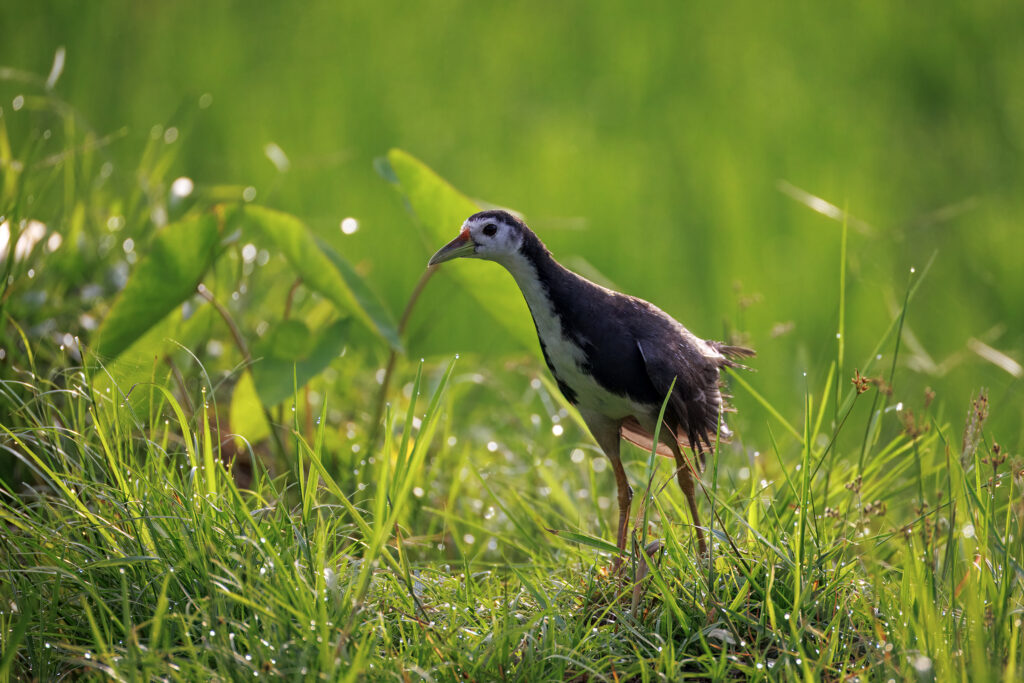
A bold, dark waterbird with a crisp white face and breast, frequently heard before it’s seen.
Interesting fact: Despite its chicken-like appearance, it’s an excellent swimmer and can even dive when threatened.
Another familiar resident of the rice fields, this bird seems to have a healthy population. Despite being rather stealthy, it’s still spotted regularly.
Scaly-breasted Munia
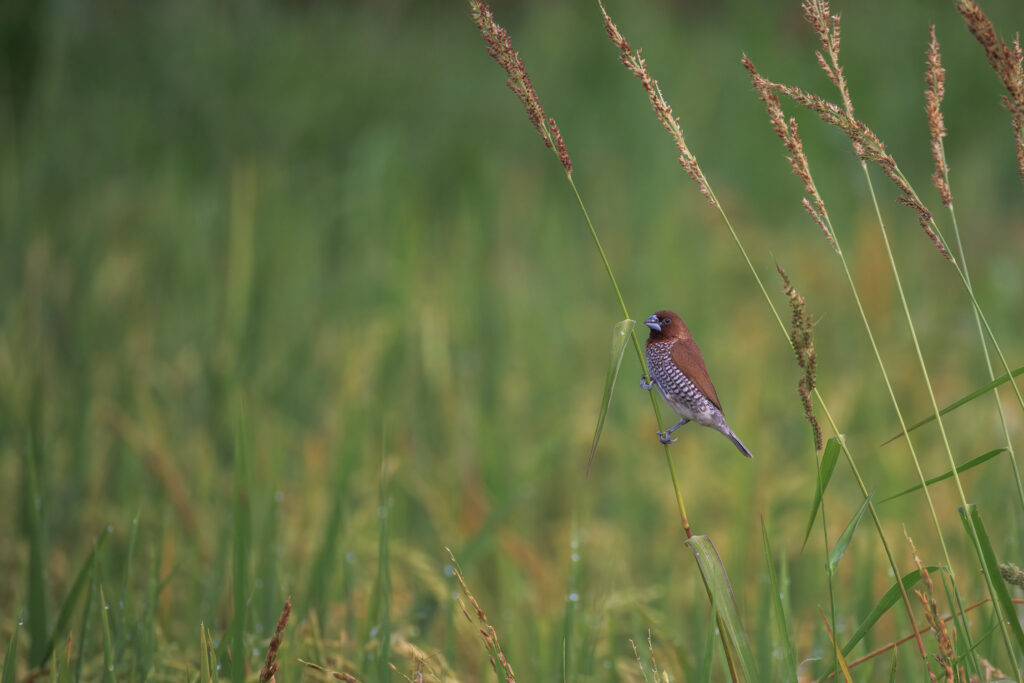
A small finch with a distinctive scalloped pattern across its chest, usually found in grassy areas and farmland.
Interesting fact: These birds are highly social and often feed in tight-knit flocks.
These birds feed on seeds, including rice. Interestingly, eBird removed it from my Australian life list, so I’ve now effectively ‘rediscovered’ it here in Indonesia.
Javan Kingfisher
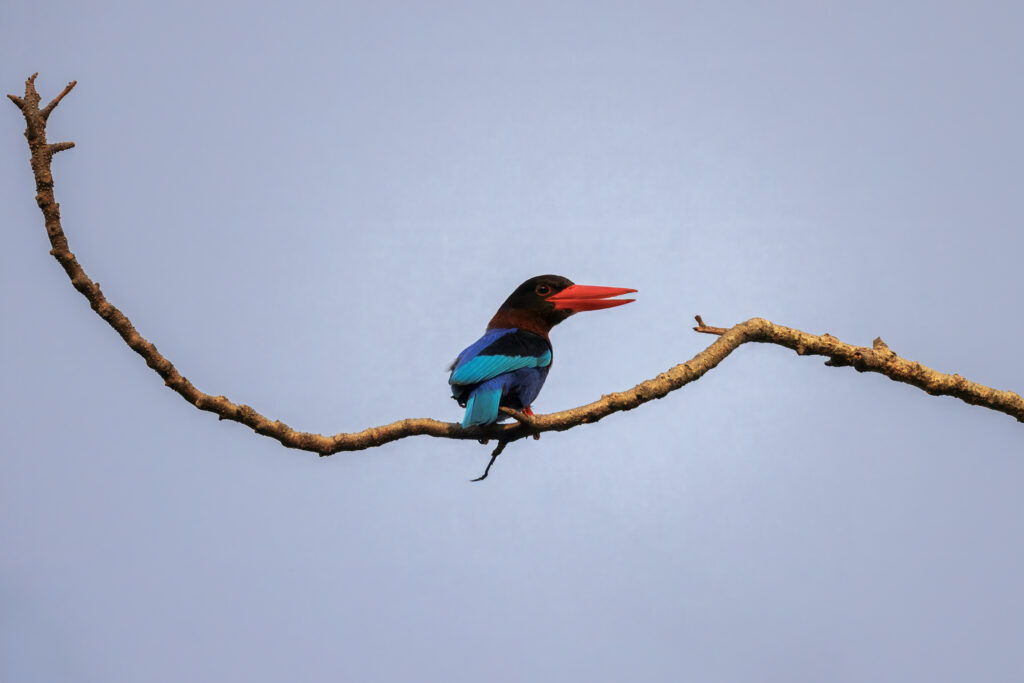
A stunning kingfisher with a turquoise body and heavy red bill, endemic to Java and Bali.
Interesting fact: Unlike many kingfishers, it often hunts insects and small reptiles away from water.
It was one of the birds I most wanted to capture, but its vibrant colours only came alive in sunlight — which I sadly lacked. And every time I aimed my camera, I was always just a split second too late.
Japanese Sparrowhawk
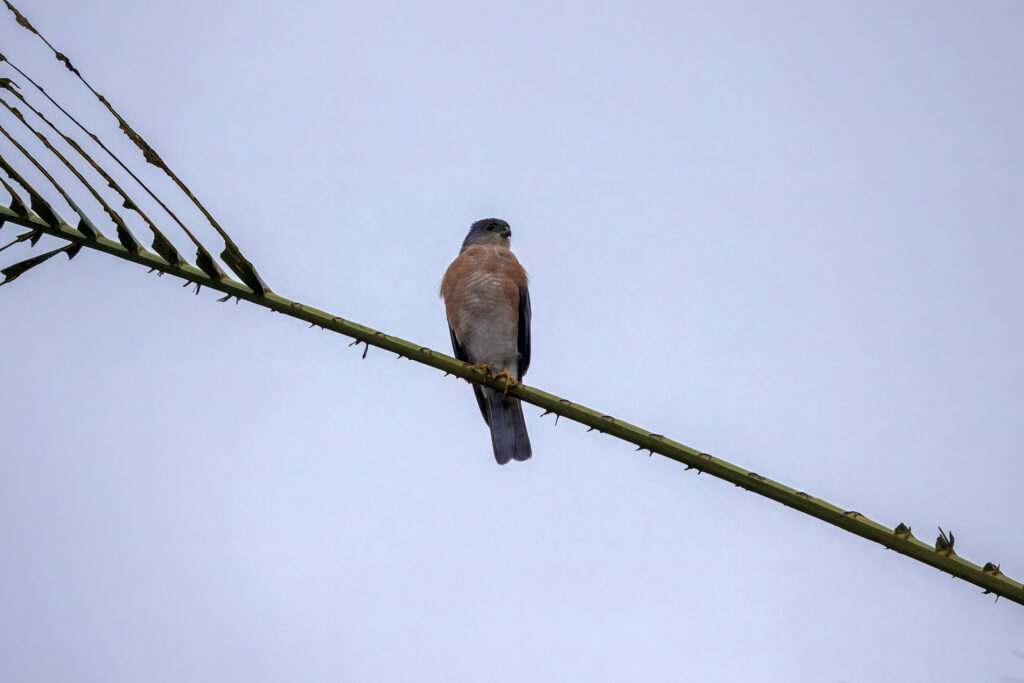
A compact raptor with sharp features and powerful wings, typically seen darting through forest edges.
Interesting fact: It’s a long-distance migrant, travelling from northern Asia to Indonesia during the non-breeding season.
A tiny raptor, yet in shape and markings it closely resembles the Australian Brown Goshawk.
Ornate Sunbird
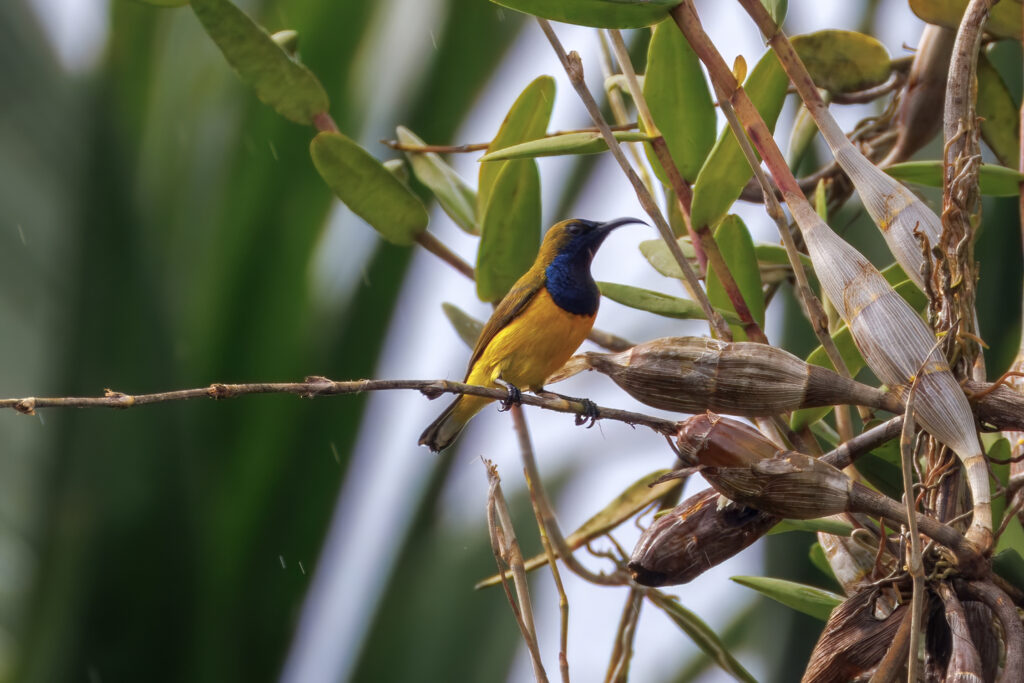
A tiny, energetic bird with iridescent colours that shimmer in the sunlight, especially in males.
Interesting fact: Its curved bill is perfectly adapted for feeding on nectar, making it an important pollinator.
I was delighted to spot these birds, but unfortunately their favourite perches were too high and too distant to photograph.
Yellow Bittern
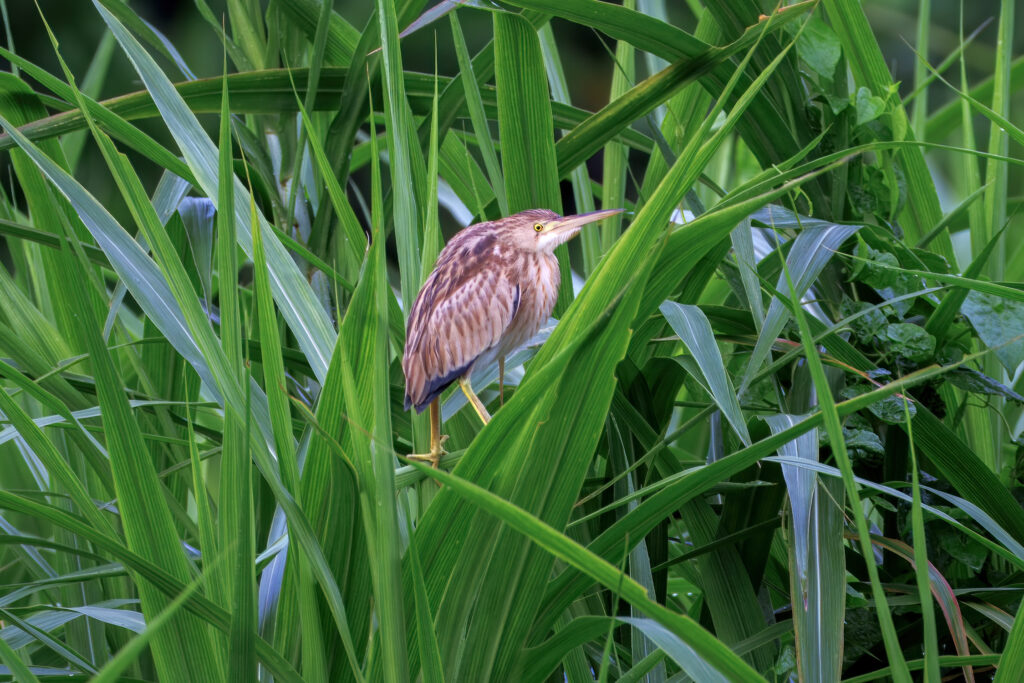
A small, secretive heron with warm yellow-brown plumage, often hidden among reeds.
Interesting fact: When alarmed, it freezes with its bill pointed upwards, blending almost perfectly with surrounding vegetation.
Perhaps this was my rarest find. Given the secretive nature of bitterns, it felt like beginner’s luck to actually spot one.
Bar-winged Prinia
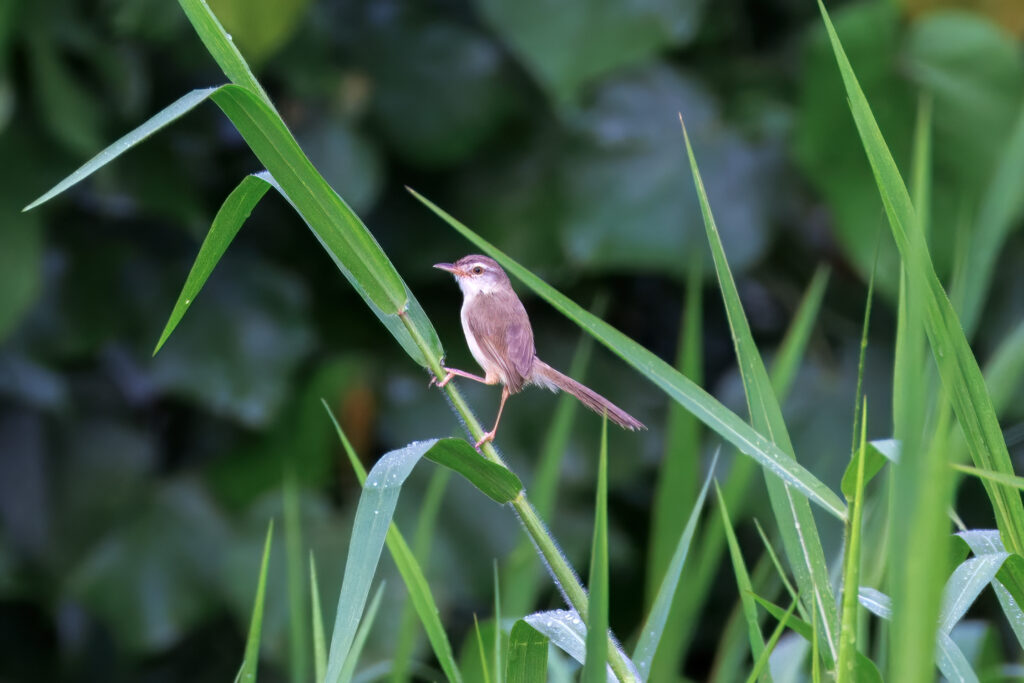
A lively, grey-brown songbird commonly seen flitting through shrubs and open woodland.
Interesting fact: Its call is far more noticeable than its appearance, often giving away its location.
These birds are constantly active among the reeds, making clear views nearly impossible even though their calls are heard all the time.
Eurasian Sparrow
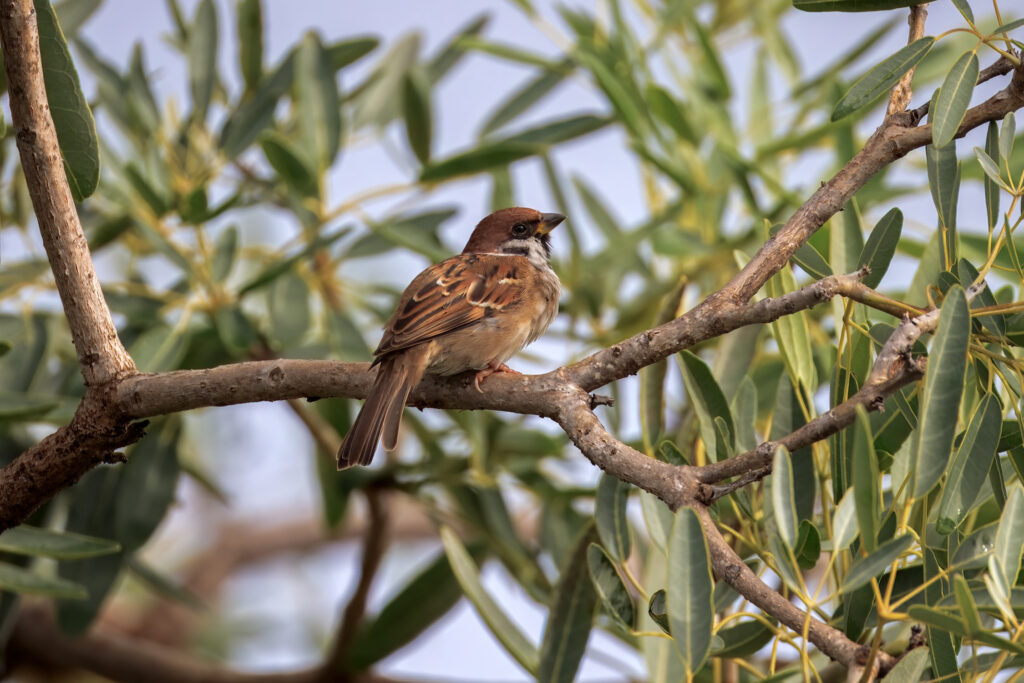
A familiar urban bird with brown, black and white markings, thriving around villages and towns.
Interesting fact: It’s one of the most widely distributed birds in the world, closely associated with human settlement.
One more bird that pretty much everyone knows.
Black-crowned Night Heron
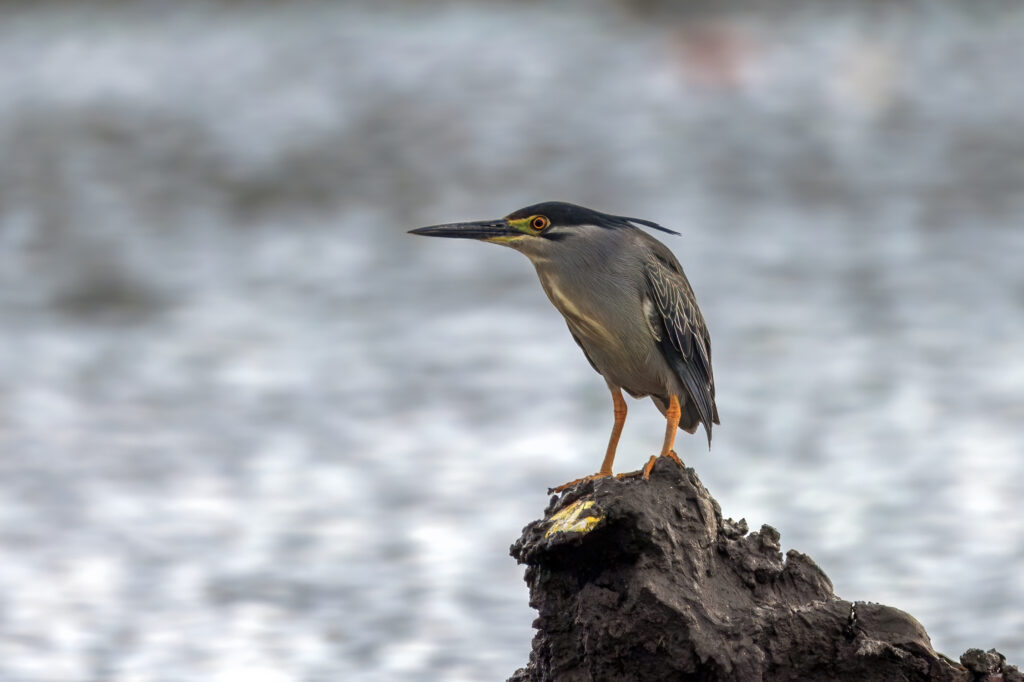
A stocky heron with a glossy black cap and red eyes, usually active at dusk and night.
Interesting fact: During the day, it often roosts in large groups, sometimes surprisingly close to busy human areas.
It was a real pleasure to spot these nocturnal birds.
Javan Munia
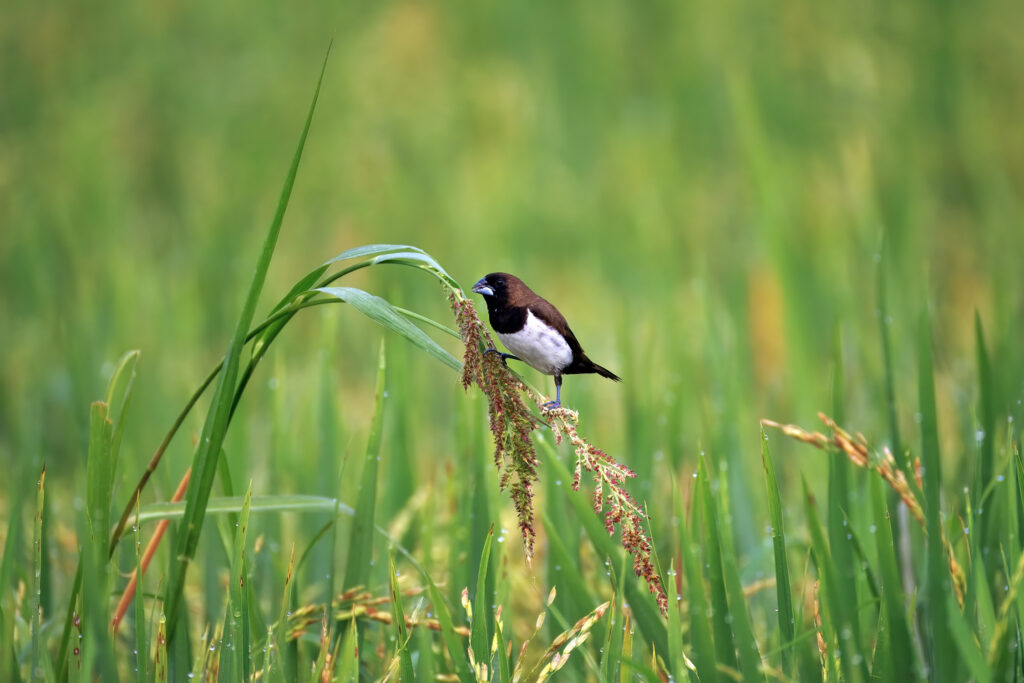
A small finch with rich brown plumage and a thick bluish bill, common in grasslands and rice fields.
Interesting fact: It feeds mainly on grass seeds, making it a frequent companion to agricultural landscapes.
Large, noisy flocks patrolled the rice fields, making it difficult to approach without them taking flight.
Purple Heron
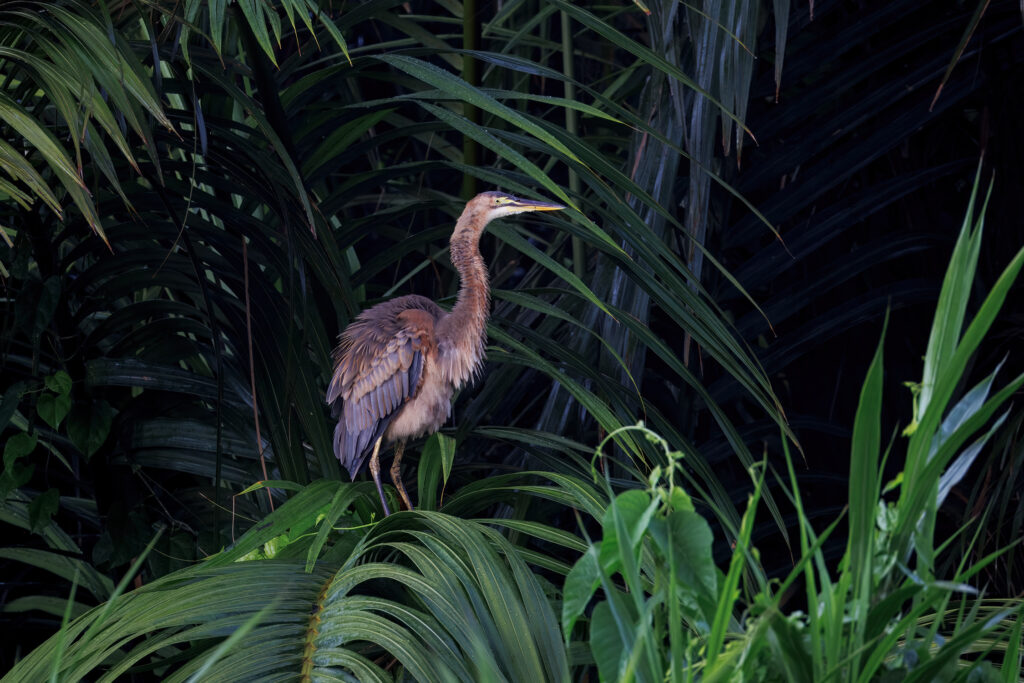
A tall, elegant heron with elongated neck and subtle purple tones, favouring wetlands and marshes.
Interesting fact: It is more slender and stealthy than the Grey Heron, often hunting while concealed in reeds.
This was another species I was eager to photograph. At first, it was far beyond the reach of my 800mm lens, but thankfully the rain drove them closer to the edges of the nearby mangroves. Extremely cautious of any movement, this bird kept me waiting for 40 minutes before it finally felt comfortable enough to start preening its feathers.
Racket-tailed Treepie
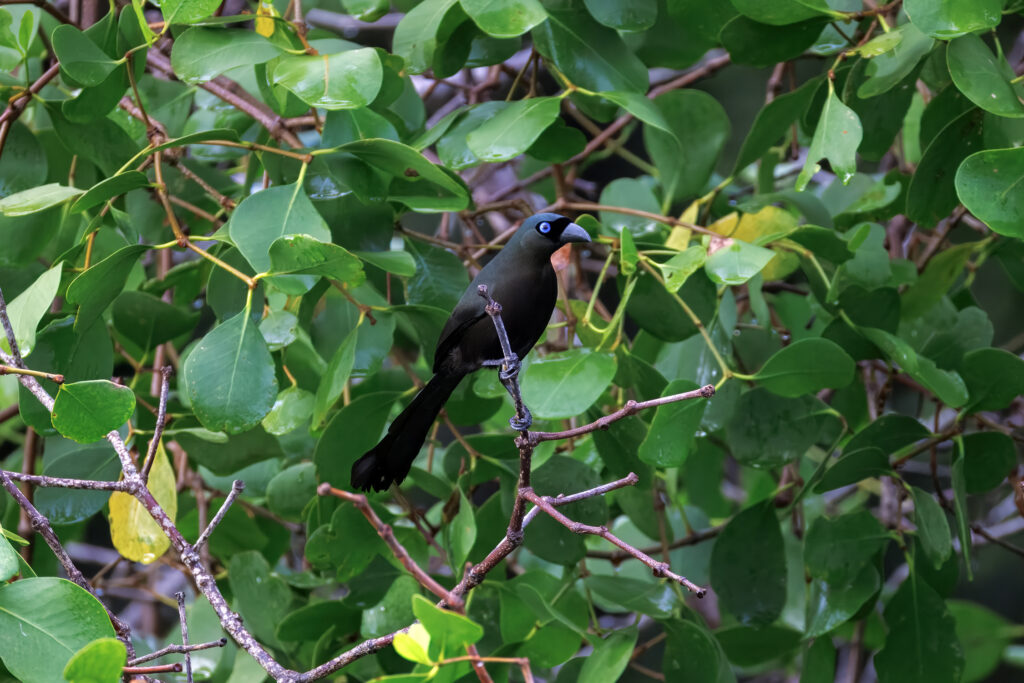
A striking black bird with long tail feathers ending in racket-shaped tips.
Interesting fact: It’s highly intelligent and curious, sometimes approaching people to inspect shiny objects.
These birds were hilarious to watch as they leapt into the air to catch prey, their long tails trailing behind with a slight, comical delay
Javan Myna
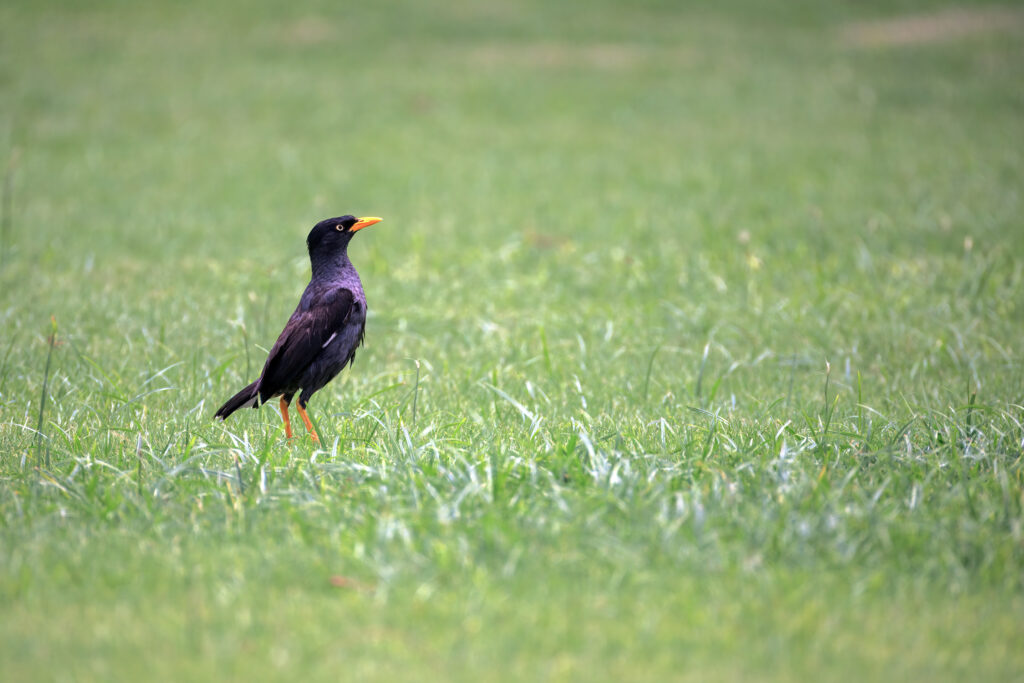
A dark, glossy starling with bright yellow facial skin and legs, commonly seen in open country and towns.
Interesting fact: It’s an excellent mimic and can copy a wide range of sounds, including human speech.
As with any other myna, these birds are firmly established, though nine times out of ten they choose perches that are far too high for a decent shot.
Plantain Squirrel
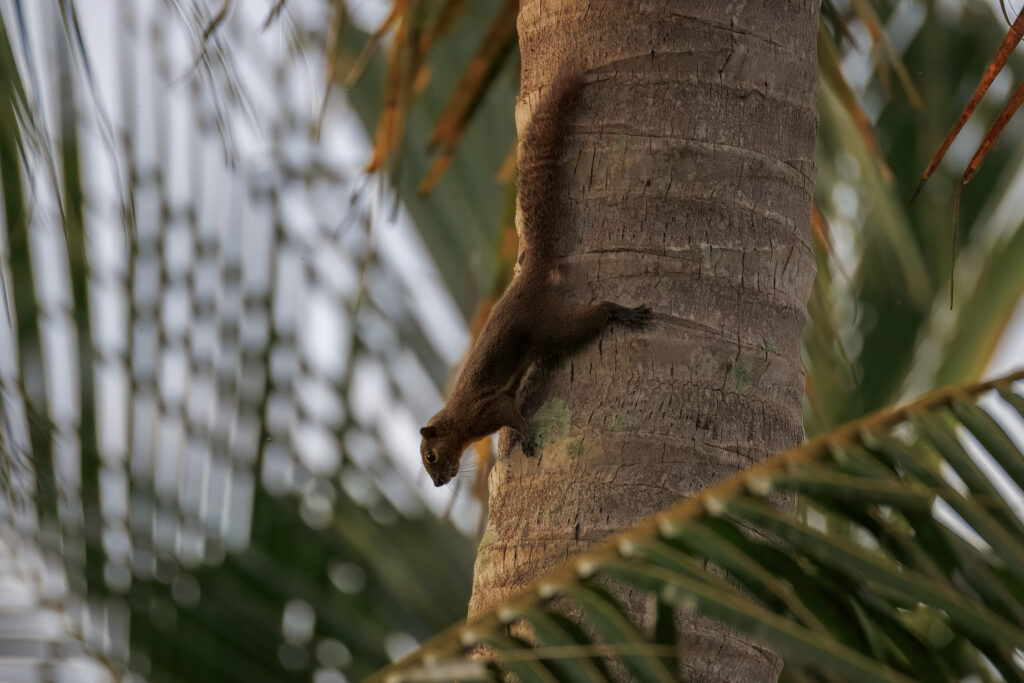
One of Bali’s most commonly seen squirrels, the plantain squirrel is a small, quick-moving tree dweller with a reddish belly and a bold black-and-white stripe along its side. It’s often spotted darting through gardens, temples and forest edges, rarely sitting still for long.
Funny fact: plantain squirrels have a habit of scolding anything they don’t trust — including photographers — with a rapid series of sharp chirps, as if loudly complaining about being photographed without permission.
Long-tailed Macaque
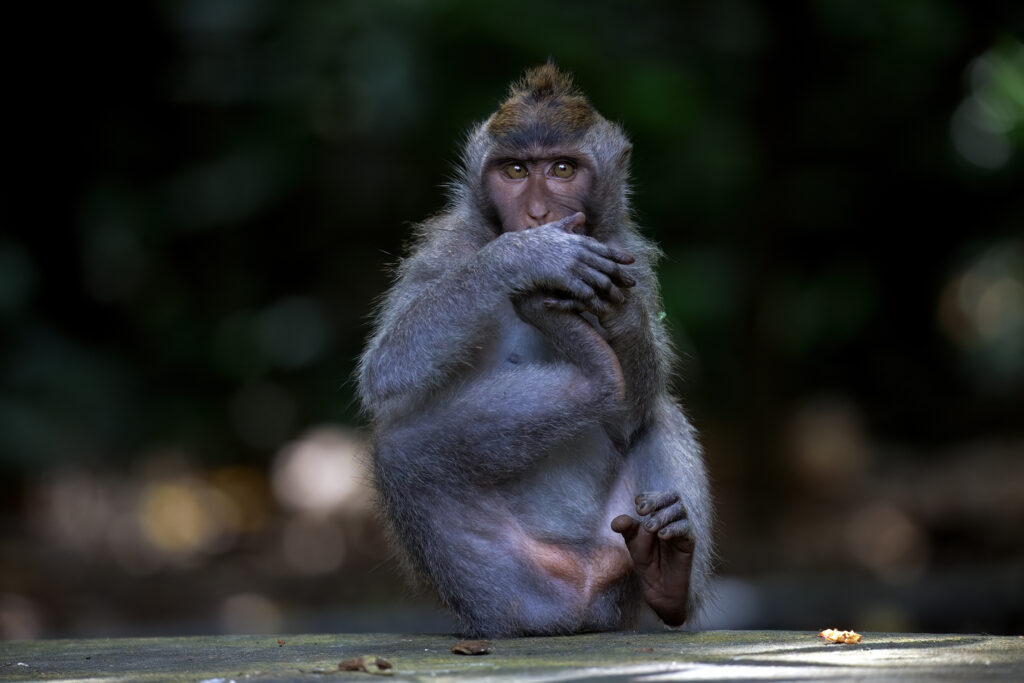
A medium-sized, agile monkey with a distinctive long tail and expressive face, often grey-brown in colour. They are extremely common in Bali’s forests, temples, and tourist areas.
Interesting fact: They are called “crab-eating macaques” because, in the wild, they sometimes catch and eat small crabs in mangrove areas.
These monkeys can be quite annoying, as they’re notorious for stealing anything that isn’t properly secured. I was naïve enough to think I could grab a photo with one — until I heard my backpack being unzipped.
I’d love to hear from you! Have you ever visited Bali and explored its wildlife? Which bird was your favourite encounter on the island? And among the species I’ve shared in this post, which one catches your eye the most? Drop a comment below and let’s share our love for these incredible creatures.


Leave a Reply