Category: Nature

  • Shooting in the Rain: Madness or Magic?

    Shooting in the Rain: Madness or Magic?

    As you’ve probably guessed by now, my favourite weather for taking photos isn’t what most people would call ideal. Give me an overcast sky and a bit of drizzle any day. While others might be heading indoors, I’m heading out—camera in hand, raincoat zipped up.

    If you’re not into photography, you might be wondering: Why on earth would someone willingly go out in miserable weather and risk their gear like that?

    Simple answer? The results are absolutely worth it.

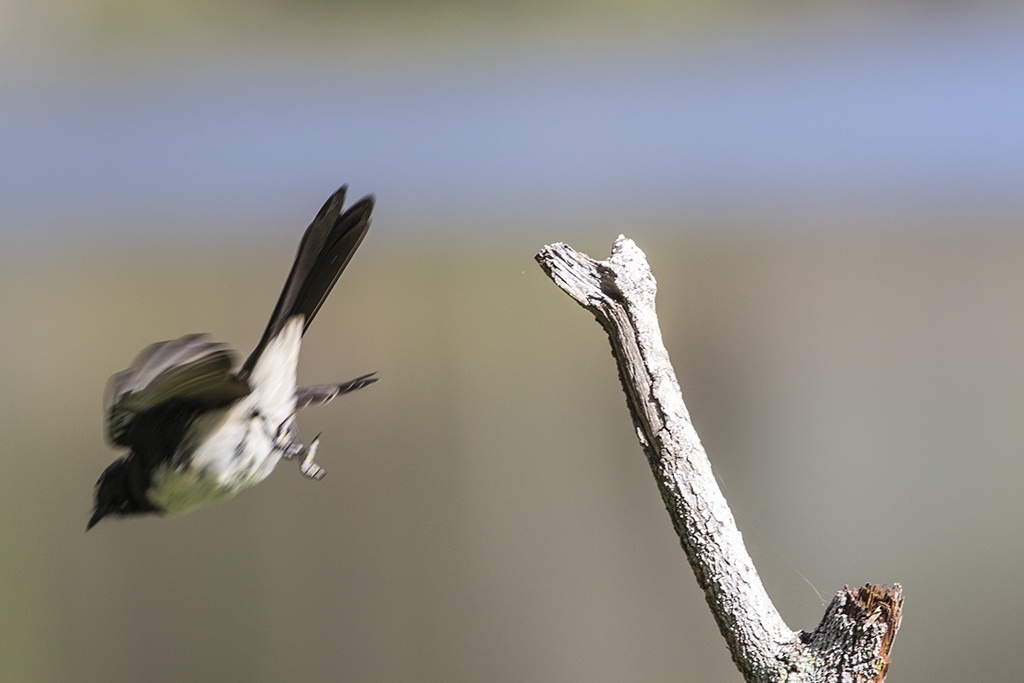
    Cloud cover acts like a giant softbox, diffusing the light evenly and removing harsh shadows—perfect for capturing the delicate beauty of our feathered friends. And then there’s the rain itself. Raindrops can become a magical extra layer—like nature’s own special effects—something you just can’t fake or replicate in post-production.

    Every now and then, I get lucky and capture a bird covered in tiny droplets. To me, it’s like looking at diamonds set into a golden piece of art—mesmerising, timeless, and endlessly satisfying.

    Here are a few examples of what you might see if you ever decide to brave the wet:

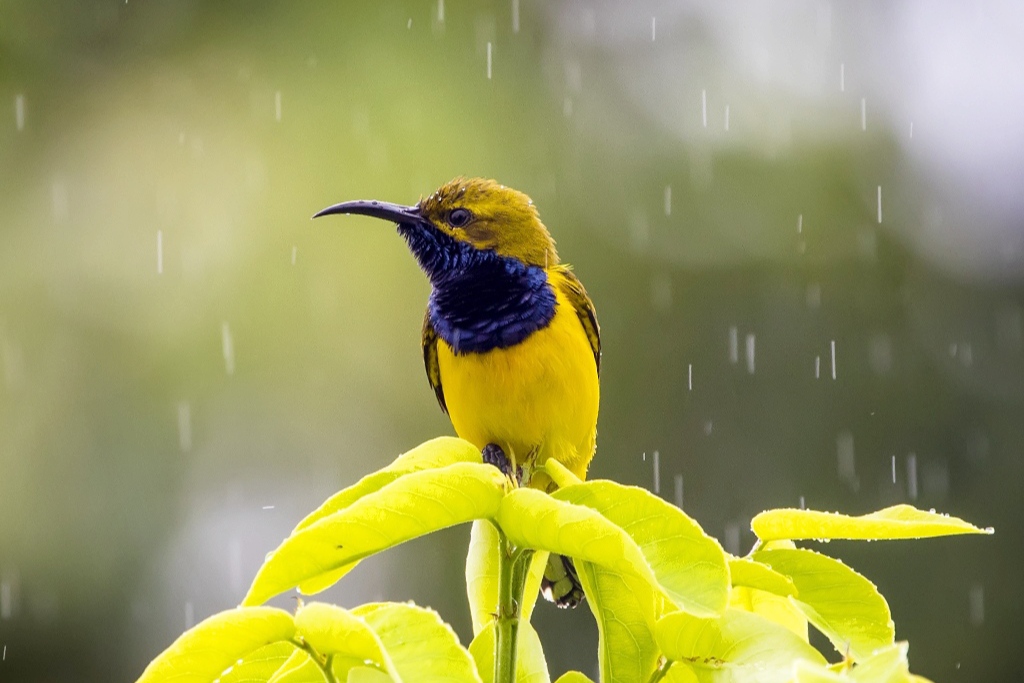
    A stunning Sunbird in Papua New Guinea, where the rain never really stops.

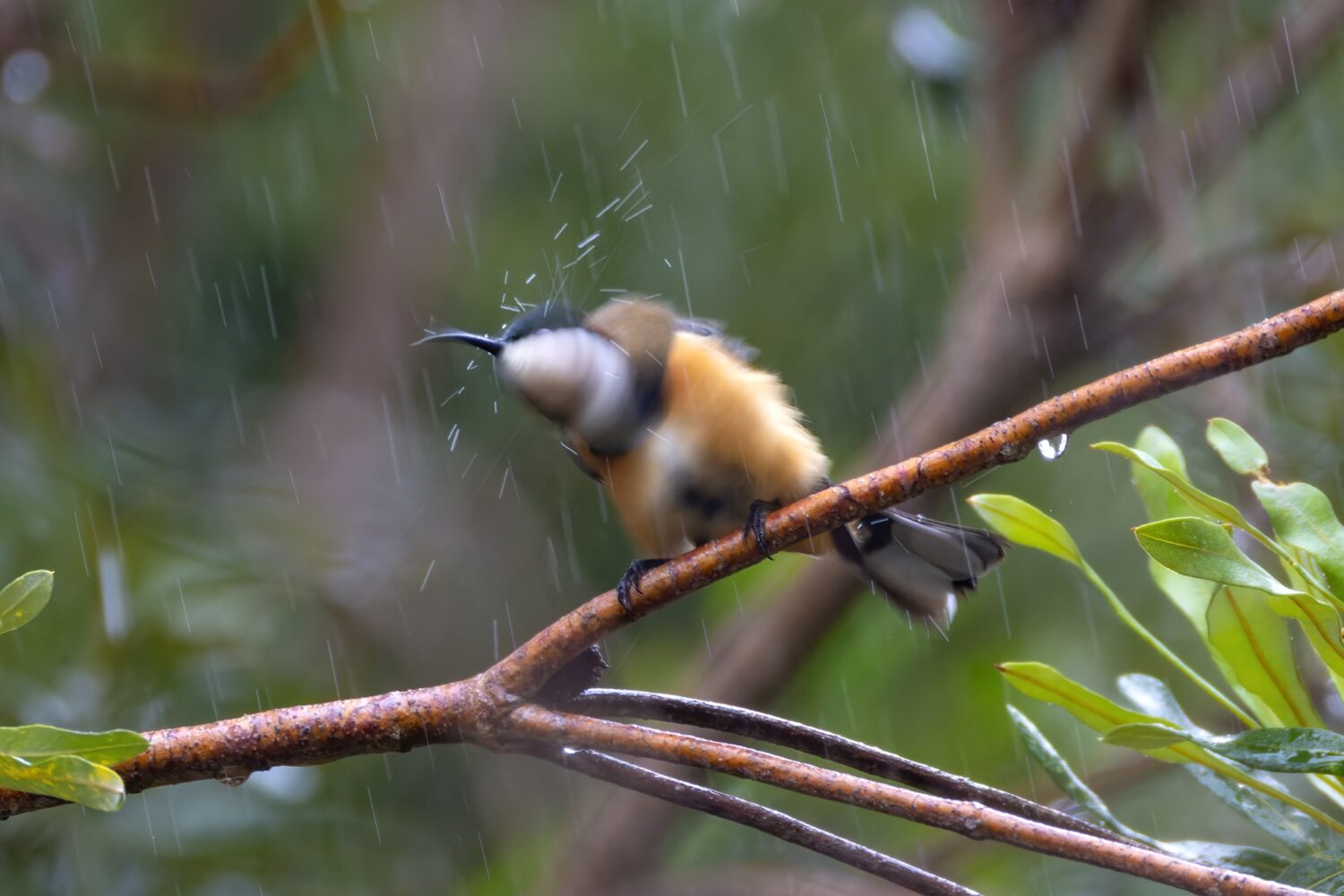
    An Eastern Spinebill giving itself a good shake—doggy style—sending water flying everywhere.

    A Sacred Kingfisher stoically facing the downpour… and another one delicately covered in sparkling droplets.

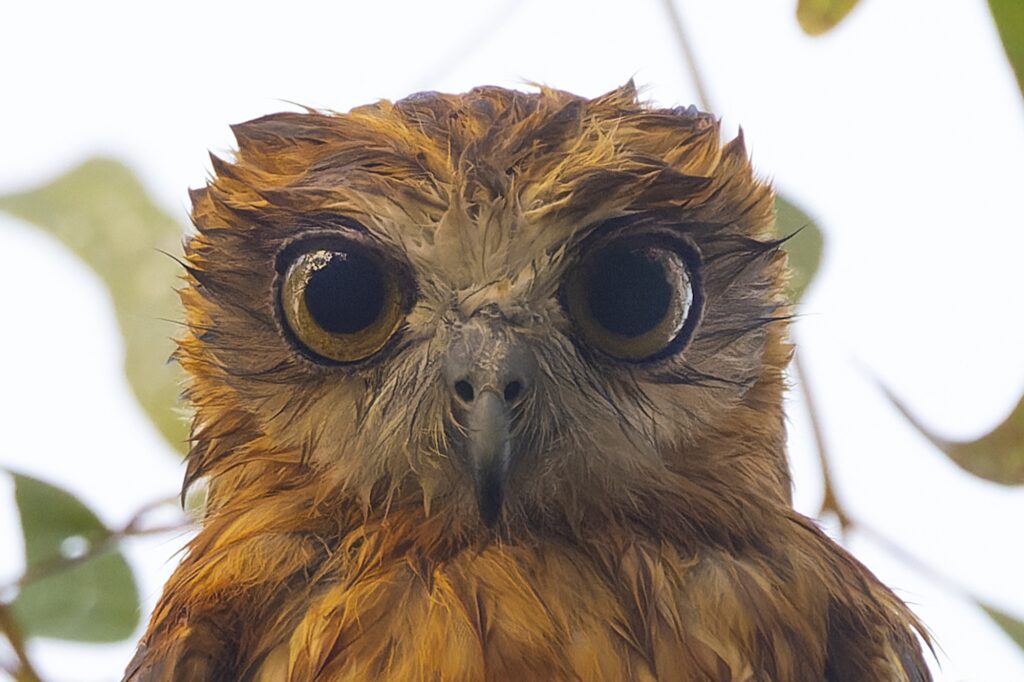
    A Boobook Owl right after the rain, looking nothing like its usual sleek self—honestly, it’s hilarious.

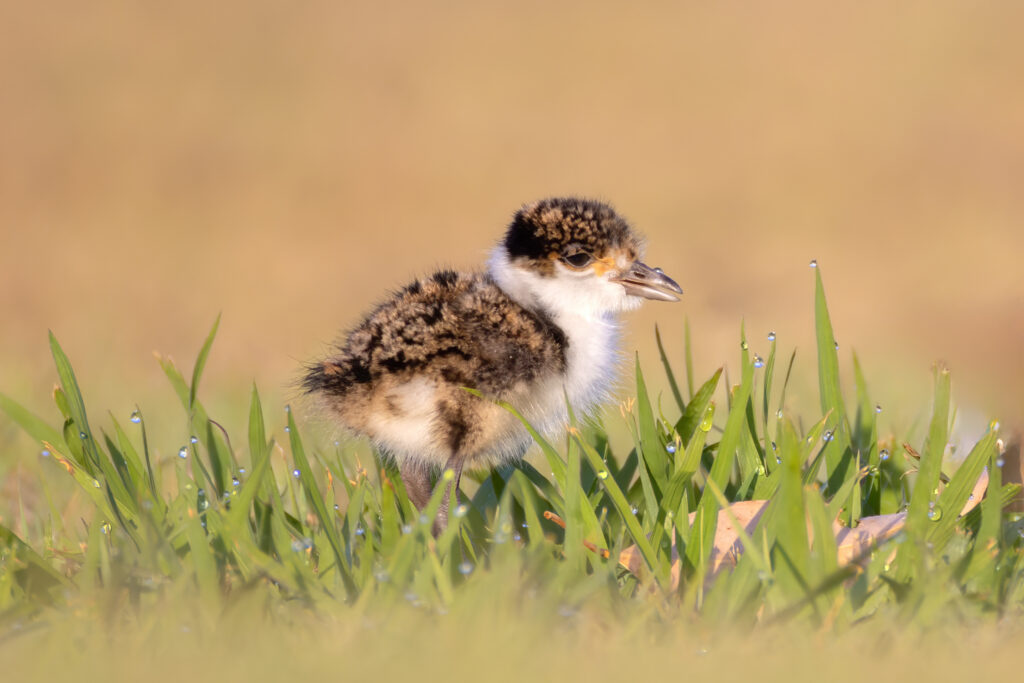
    A baby Masked Lapwing grazing in rain-drenched grass—absolutely adorable. You can enjoy reading a full article about these birds >>here<<.

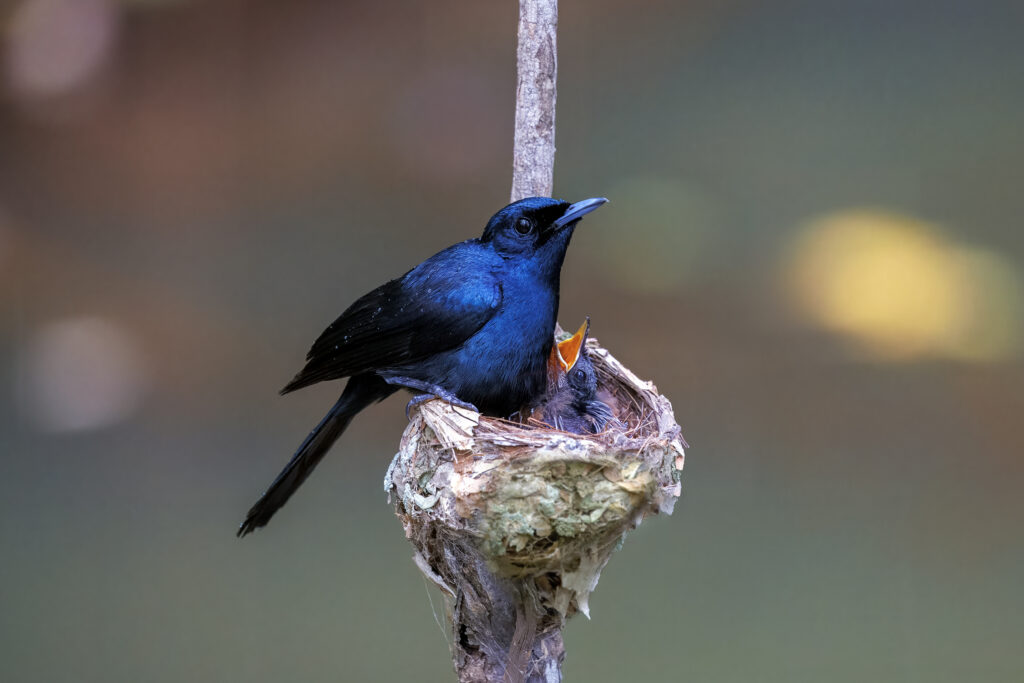
    A male Shining Flycatcher shielding his tiny chick from the falling rain—parenting goals. A story about taking this photo can be found by visiting this >>link<<.

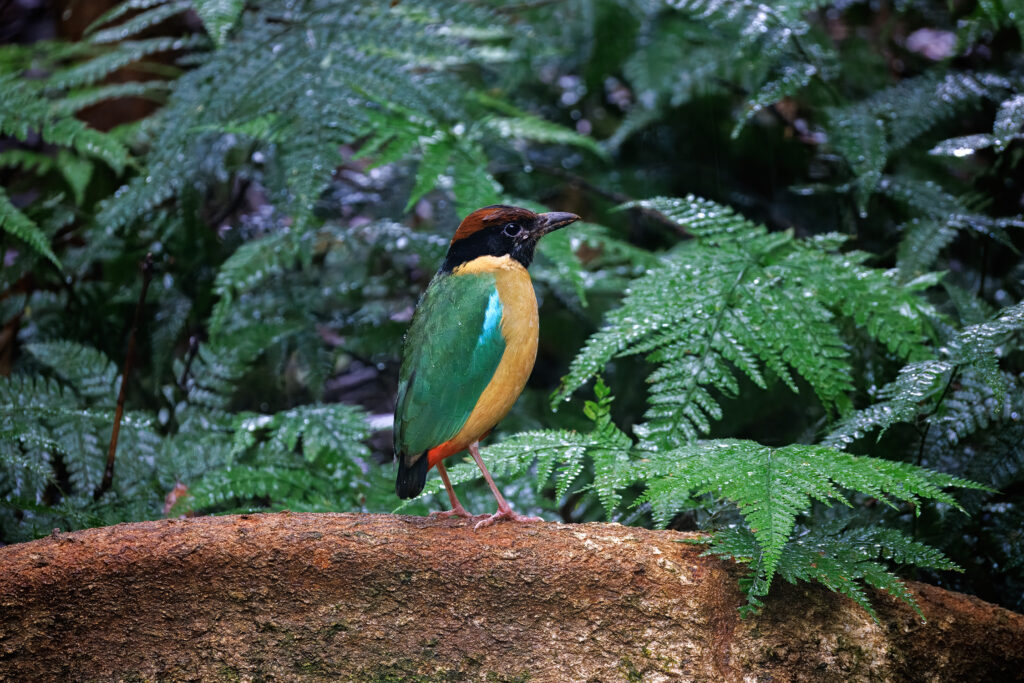
    And probably my favourite rainy photo so far: a Noisy Pitta, nestled amongst soaked ferns. You can read the full story behind that shot here: >>link<<.

    These photos hold something special for me. Now you know why I’m always keen to get out in the rain, even when it seems like madness to most.

    Let me know in the comments if you’re the same—willing to risk your gear for that one unforgettable shot. Who knows, maybe I’ll see you out there one rainy day.

    Fun Facts About Photo Gear in the Rain

    • Some Pro Cameras Are Basically Weatherproof Tanks. High-end camera bodies (like Canon’s R5, Nikon Z9, or Sony A1) have weather-sealed designs that can survive light to moderate rain. They’re not waterproof, but they can take a bit of a splash—just don’t go swimming with them!
    • Lens Hoods: Not Just for Sunlight. Lens hoods aren’t just for blocking glare. In the rain, they act like tiny umbrellas, keeping droplets off your front element. Bonus: they also help prevent accidental fingerprints when you’re fumbling around in wet conditions.
    • Plastic Bags = Poor Photographer’s Rain Cover. In a pinch, a plastic shopping bag and a rubber band can be your best friends. Punch a hole for the lens and voilà—instant DIY rain cover. Not glamorous, but it works!
    • Rain Covers: The Unsung Heroes. There are actual purpose-built rain covers for camera gear—some even have arm holes and clear windows so you can operate everything without getting drenched. A good one can save your gear and your day.
    • Memory Cards Handle Rain Better Than You Think. Most SD and CF cards are surprisingly durable—even if they get wet, they’ll usually survive as long as you dry them thoroughly before putting them back in the camera. Your photos are safer than you’d expect!
    • Fogging Happens—But There’s a Trick. Going from cold rain to a warm car or house? Your lens might fog up inside. To avoid this, seal your gear in a ziplock bag before coming indoors. Let it warm up slowly and avoid the dreaded internal condensation.
    • Some Lenses Have Water-Repellent Coatings. High-end lenses (especially from Canon and Nikon) often have fluorine coatings on the front element that repel water, making it easier to wipe off raindrops or mist. They don’t advertise it much—but it’s real!
    • Rubber Weather Seals Look Cool… and Actually Work. That little rubber gasket around your lens mount? It’s not just decoration—it’s a weather seal that helps prevent moisture from sneaking into your camera body. Still, it’s not 100% waterproof… just “weather-resistant”.
    • Umbrellas Can Be Tripod-Mounted! With a bit of ingenuity (or a clamp), you can mount an umbrella on your tripod to protect your gear while you shoot hands-free. Just don’t try this in strong wind unless you enjoy chaos.
    • Some Photographers Use Shower Caps on Their Lenses. Sounds silly, but a shower cap stretched over your lens or camera is a quick way to keep it dry between shots. Lightweight, cheap, and surprisingly effective!
  • Wild and Unfiltered: A Closer Look at the Dingoes of the Tanami Desert

    Wild and Unfiltered: A Closer Look at the Dingoes of the Tanami Desert

    Dingoes are one of Australia’s most iconic yet misunderstood native animals. Thought to have arrived on the continent over 4,000 years ago, they’ve since adapted to thrive in diverse environments across the country — from tropical forests and alpine regions to arid deserts. As apex predators, dingoes play a crucial role in maintaining healthy ecosystems by controlling populations of herbivores and invasive species. Unlike domestic dogs, dingoes are incredibly agile, clever, and self-reliant, often covering vast distances in search of food and water.

    🐾 Fun Facts About Dingoes

    1. They don’t bark like domestic dogs. Instead, dingoes communicate using howls, growls, chortles, and yelps. Their howls can carry over several kilometres — perfect for calling to mates or warning off rivals.
    2. They have rotating wrists. Dingoes have unusually flexible wrists and can rotate them, which gives them better climbing ability than most dogs. They can scale fences, open gates, and even climb trees if needed!
    3. They’re Australia’s wild canines — but not technically native. Dingoes arrived in Australia around 4,000 years ago, likely brought by seafarers. So while they’re not endemic, they’ve become a vital part of the ecosystem over millennia.
    4. They often mate for life. Dingoes are generally monogamous, with dominant breeding pairs staying together for multiple years, raising their pups cooperatively within a pack.
    5. Dingoes are excellent hunters. With keen senses and endurance, dingoes can take down prey much larger than themselves, including kangaroos. They often hunt in coordinated packs but are also capable solo hunters.
    6. Their footprints are unique. Unlike domestic dogs, dingoes tend to walk in a straight line, placing their back foot directly in line with their front — leaving a very neat and distinctive track.
    7. They play a critical ecological role. As apex predators, dingoes help control populations of invasive species like rabbits and feral cats, contributing to biodiversity by giving native flora and fauna a better chance to thrive.
    8. Pups are born once a year — usually in winter. Dingo breeding season typically runs from March to June, with pups born around May to August. Litters usually include 4–6 pups, raised communally within the pack.

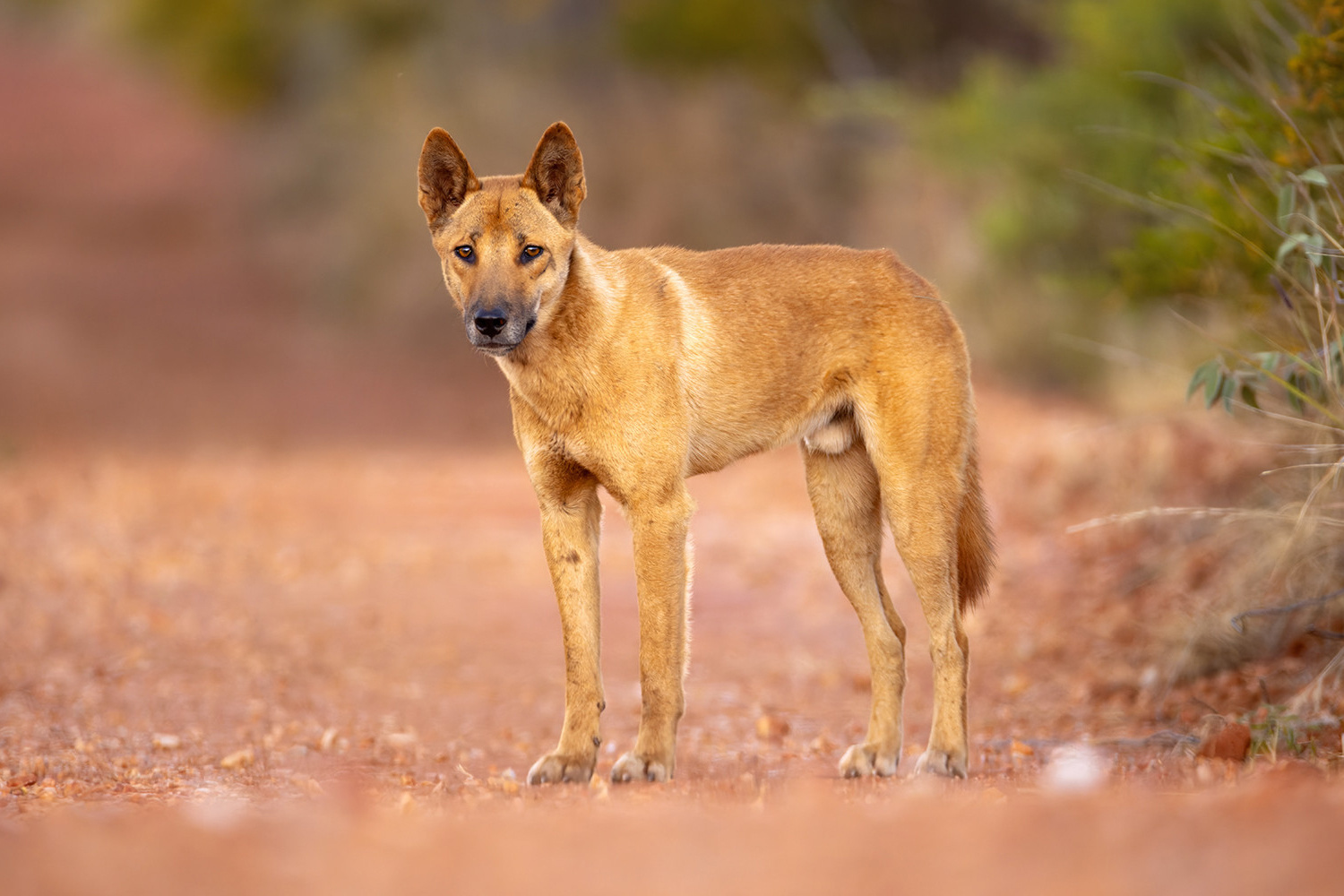
    The following photos were taken during my recent trip to the Tanami Desert, one of the most remote and least disturbed regions of Australia. Due to its isolation, the dingoes here are considered to be among the purest in the country, having remained largely free from hybridisation with domestic dogs — a major concern in other regions.

    What stood out to me immediately was their striking black and rufous colouring. I used to seeing dingoes in captivity or less remote areas, where their coats were typically creamy or reddish-brown. Initially, I assumed these darker individuals were juveniles whose fur would change as they matured. However, after digging into various sources, I learnt that dingoes naturally occur in a broad range of colours — from pale off-white and cream to deep rufous, chocolate brown, and even jet black. This diversity in coat colour can vary depending on genetics, environment, and regional populations.

    Below are several photographs showcasing the rugged beauty and unique colouration of the Tanami dingoes. I hope they offer a fresh perspective on these remarkable wild dogs — unfiltered, undisturbed, and entirely in their element.

  • Looking Back: My Favourite Bird Photos from 2019

    Looking Back: My Favourite Bird Photos from 2019

    2019 feels like a lifetime ago, yet it remains one of my most rewarding years as a nature photographer. I was fortunate to travel for work—and with my camera always by my side, I found myself in the right place at the right time, more than once.

    From the wild beaches of Tasmania to the towering rainforests of Papua New Guinea, here are some highlights from that unforgettable year—images that stir strong memories, capture rare moments, and tell stories I’ll never forget.

    Tasmania Adventures – Calm, Coastal, and Close-Up

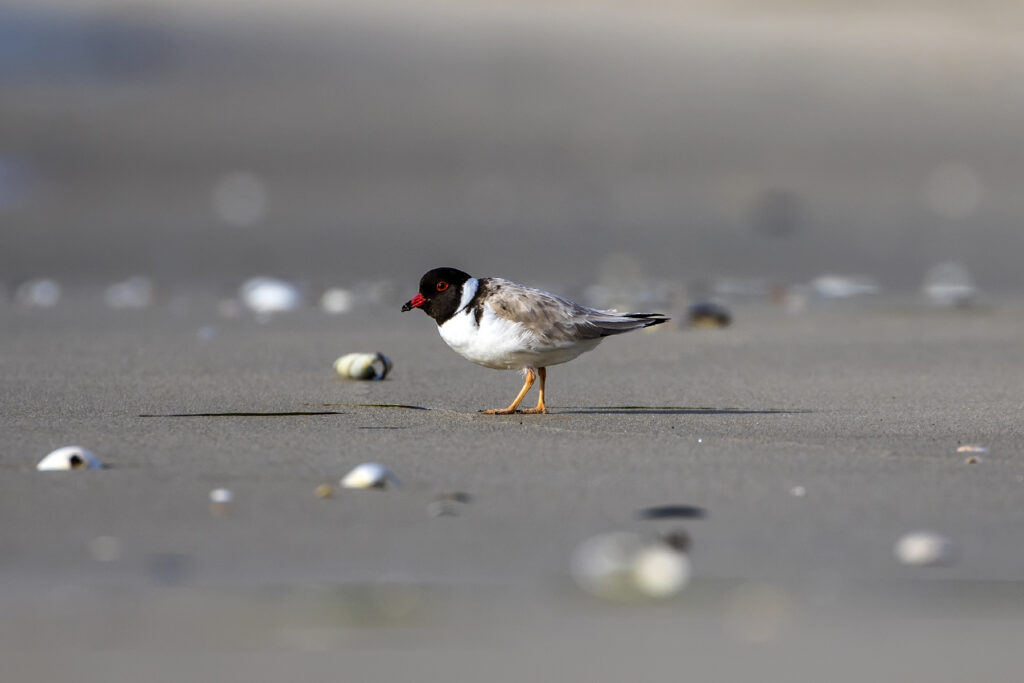
    Hooded Plover – Up Close with the Endangered

    In parts of mainland Australia, Hooded Plovers are endangered and notoriously hard to find. But in Tasmania—especially along its vast, untouched beaches—they were more common, yet just as captivating.

    I spent hours lying in the sand, camera ready, letting one bird get used to my presence. Eventually, curiosity got the better of it, and it wandered right up to me. A calm, intimate moment—exactly the kind I always hope to capture.

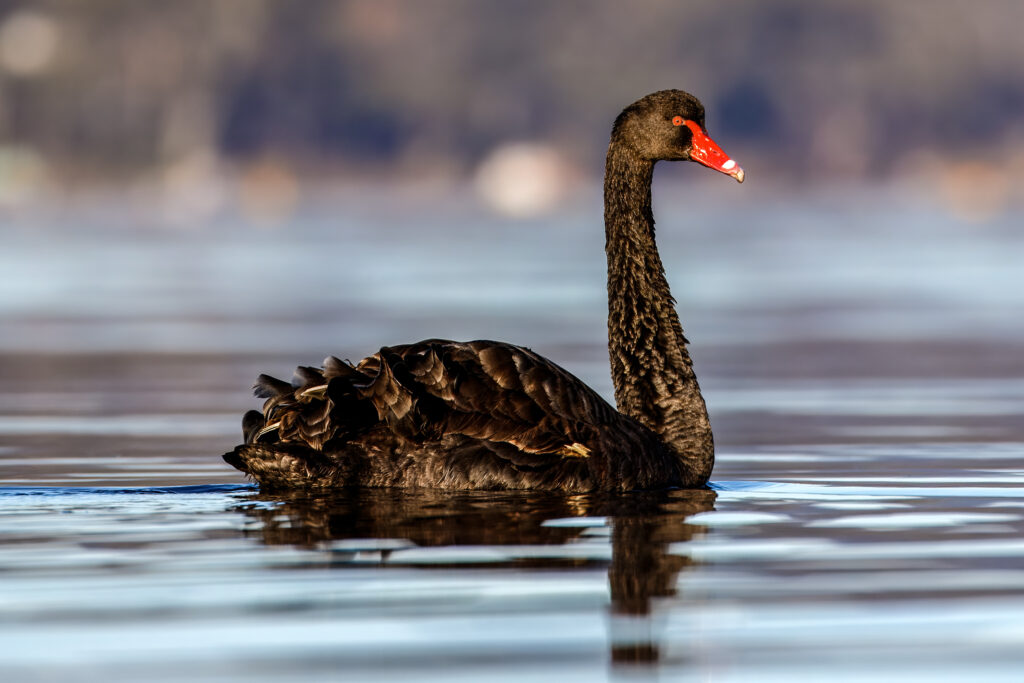
    Black Swan – A Peaceful Encounter in Margate

    Another memorable Tasmanian moment came in the quiet bays near Margate, where I spotted a Black Swan gliding through still water. Though the species is widespread, the setting and lighting made this image special to me—serene, minimal, and reflective in more ways than one.

    Northward Bound – Photographing Papua New Guinea

    After my time in Tasmania, I headed north to Papua New Guinea—and entered an entirely different world of birdlife. Towering trees, elusive species, and thick rainforest made every photo a challenge… and a thrill.

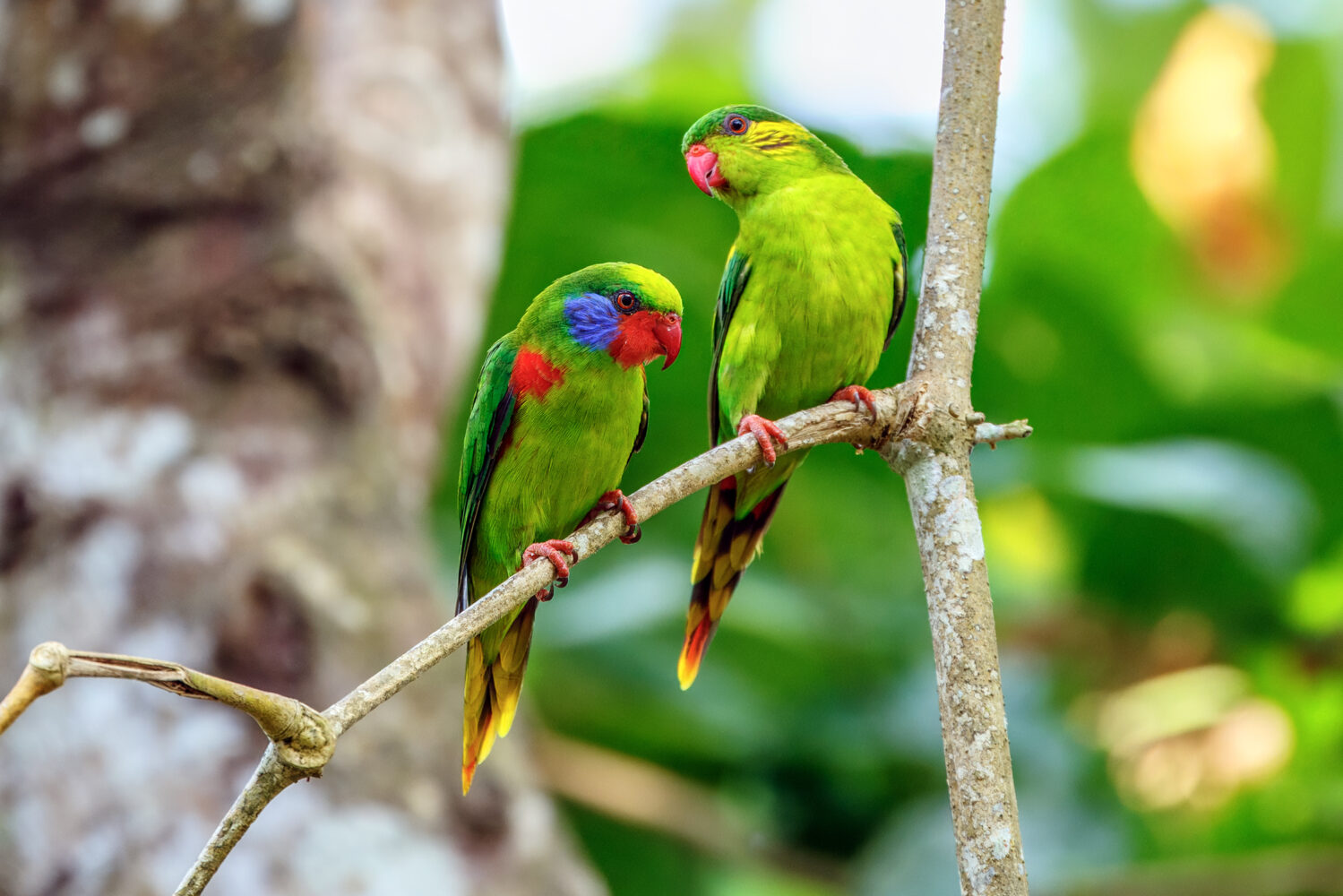
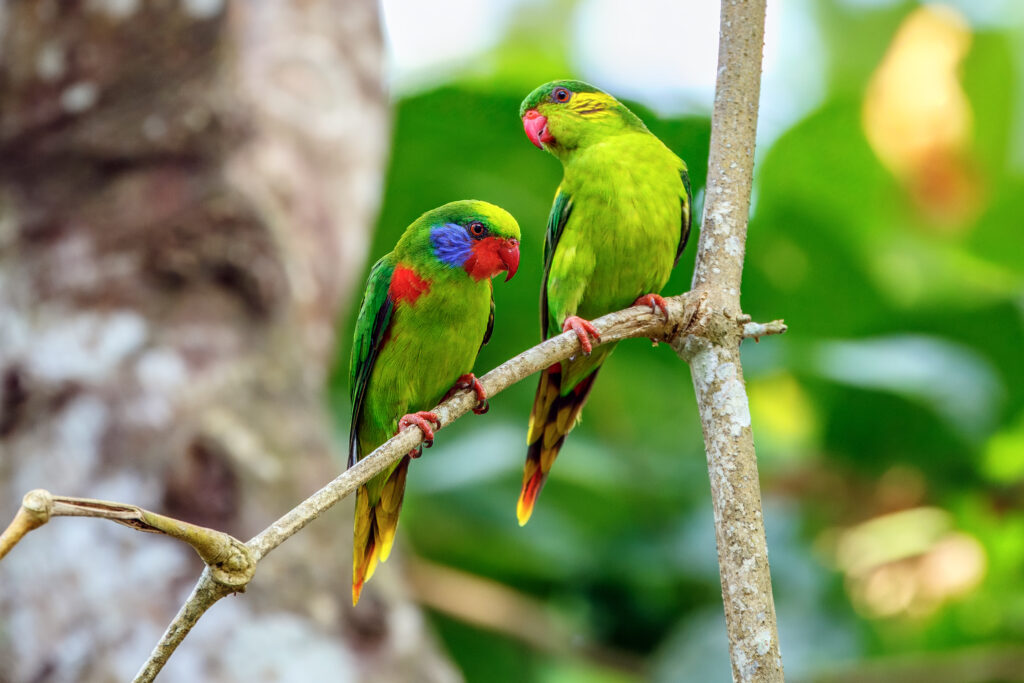
    Red-flanked Lorikeets – A One-Time Opportunity

    These colourful birds were not uncommon in PNG, but they almost always perched at the tops of the tallest trees—and believe me, the trees in PNG are tall! That made them difficult to photograph, until one lucky day when I found two lorikeets checking out a probable nest site at eye level. It was a rare opportunity—one I was never given again.

    This particular photo even inspired an artist to create a beautiful watercolour painting based on the scene. Moments like these remind me why I always carry my camera.

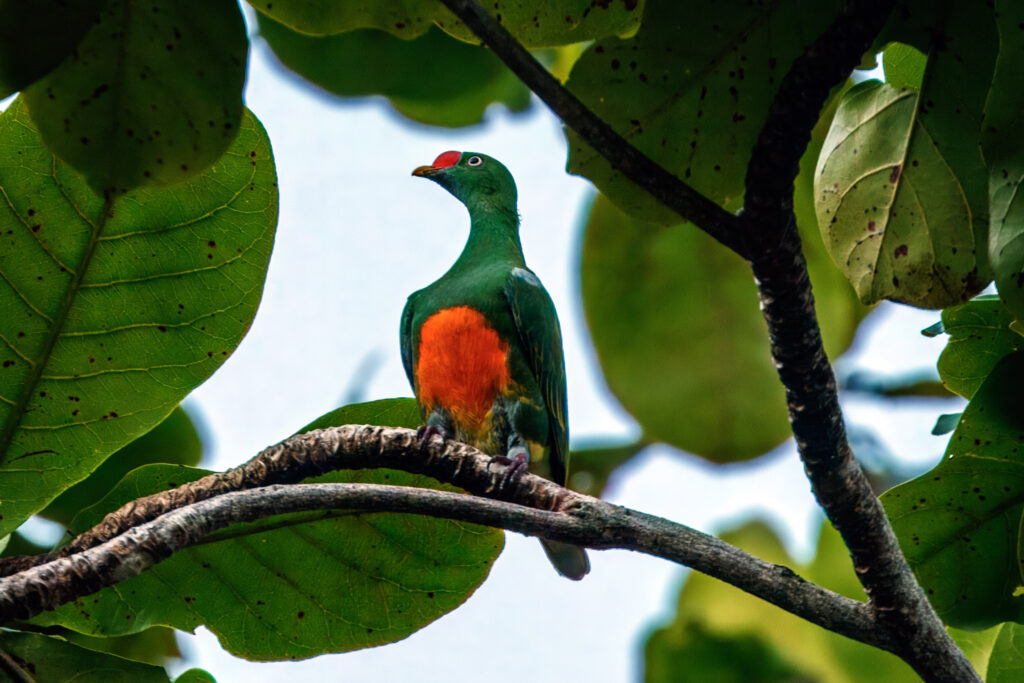
    Knob-billed Fruit Dove – A World-Class Find

    Now, this one truly was special. The Knob-billed Fruit Dove is so rarely seen that even Wikipedia uses an illustration for its species page. When I uploaded my photo to eBird, they chose it as the preview image for the species (they had to mirror it, of course, as eBird requires all birds to face right).
    You can see it here.

    At the time of my upload, I was one of only ten people in the world who had managed to photograph this elusive bird. It’s easily one of the rarest captures of my career.

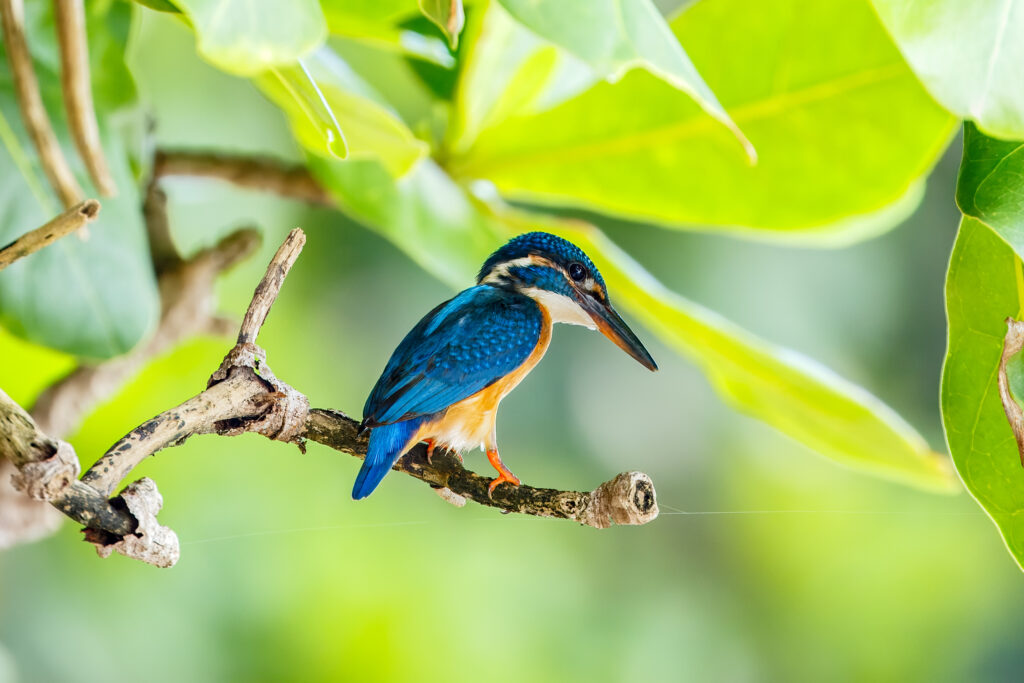
    Common Kingfisher – Not So Common After All

    Although it’s common in Europe, seeing a Common Kingfisher in PNG was a dream come true for an Australian photographer like me. It took several weeks of careful tracking before I was able to snap this image. The bird foraged along the beach and was incredibly wary—there was no way to approach it directly.

    Eventually, I managed to sneak up slowly and capture a few precious frames. A challenging but incredibly rewarding experience.

    Closer to Home – Birds Around My Local Area

    Not all great photos come from remote adventures. Some of my favourite captures from 2019 were taken close to home.

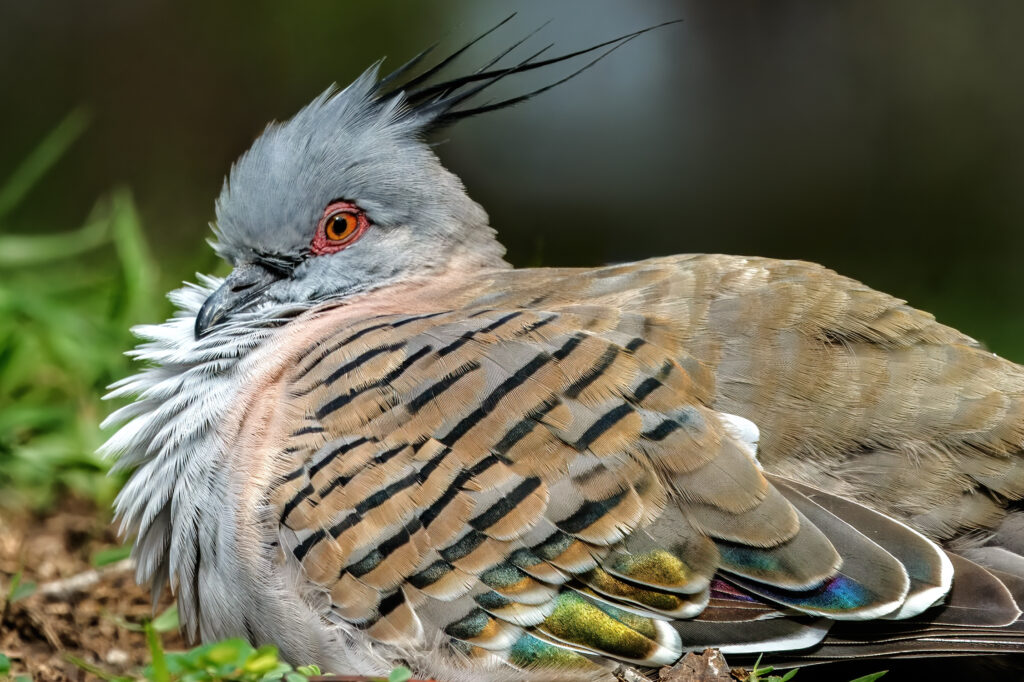
    Crested Pigeon – The Rain-Soaked Park

    This Crested Pigeon was resting peacefully in one of my local parks. Recent rain had soaked the background in vibrant greens and saturated colours, giving the image a lush, painterly feel. The bird was relaxed and comfortable with my presence—it almost felt like I was part of the family for the day.

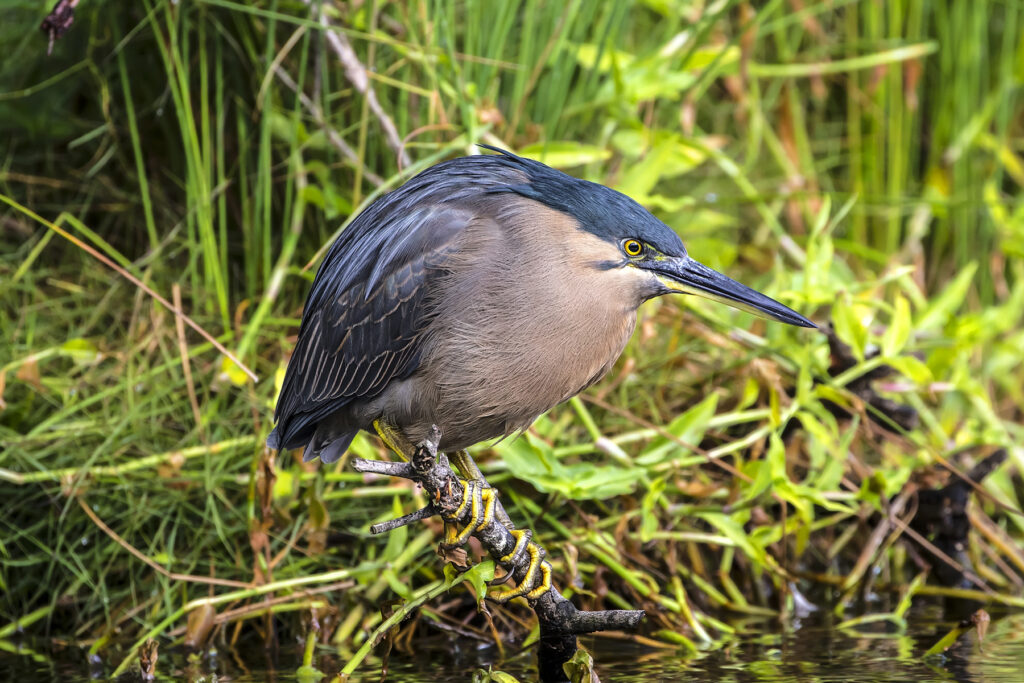
    Striated Heron – Focused and Fierce

    This final image is of a Striated Heron, totally focused on tracking fish from its perch. Its claws are tightly wrapped, muscles tense, and the messy background adds a sense of mystery and intensity to the scene. It was even chosen as Photo of the Day on eBird—a nice honour for a moment that I remember vividly.

    The Hard Lesson

    I was planning to include more photos in this post, but as I was going through my hard drive… it decided to pack it in. I’m still hopeful that the images aren’t lost and can be recovered, but if there’s one takeaway—it’s the importance of backing up your photos. A lesson learned the hard way.

    I’d love to hear which photo or story resonated with you the most. Let me know in the comments below—and thank you for taking the time to revisit 2019 with me.

  • Chasing Waterfalls: A Family Hike Through O’Reilly’s Rainforest Wonders

    Chasing Waterfalls: A Family Hike Through O’Reilly’s Rainforest Wonders

    Nestled within the Gondwana Rainforests of Lamington National Park in southeast Queensland, O’Reilly’s is a treasure trove of natural beauty. This World Heritage-listed area boasts ancient Antarctic beech trees, rare wildlife, and a seemingly endless network of rainforest trails. For anyone with a passion for nature and photography, it’s a place where every step offers a new scene waiting to be captured.

    Getting to this part of the world is an adventure in itself. From where we live, it’s about a two-hour drive, including a winding hour-long stretch through mountain roads. Over the years, we’ve visited O’Reilly’s a handful of times, but never quite made it far enough into the trails to see the waterfalls—until now.

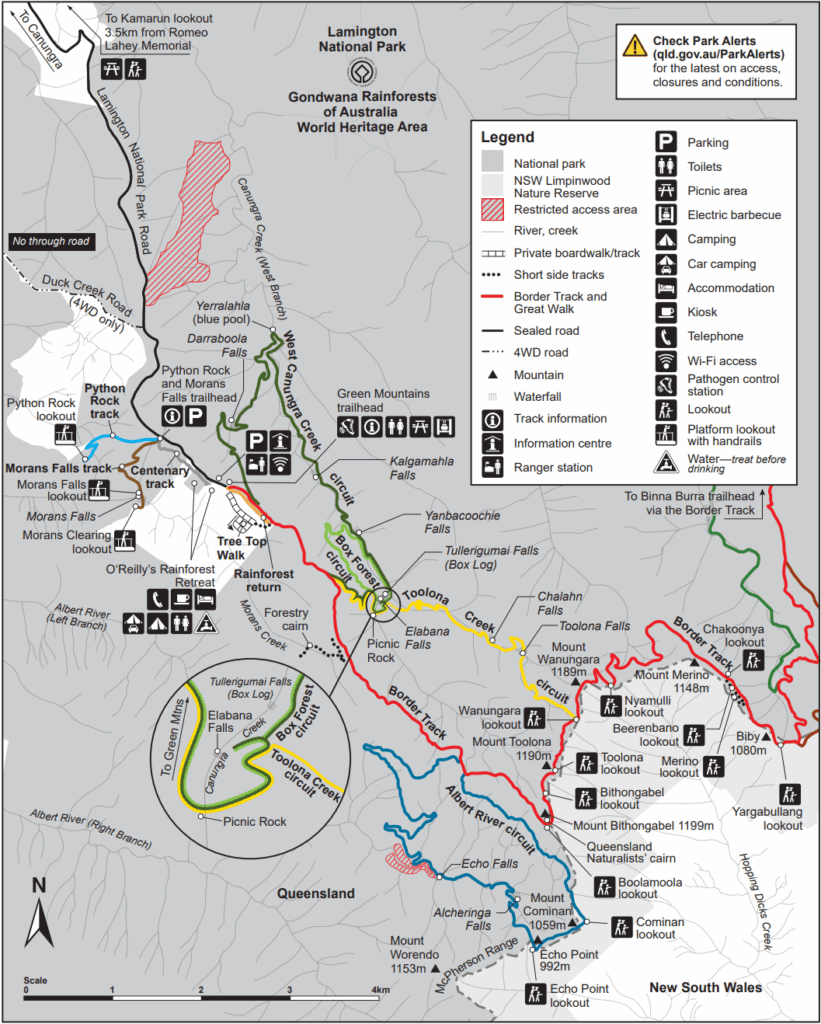
    On this trip, I set out with my two sons to explore a 13-kilometre loop that took us to five spectacular waterfalls over the course of five hours. It was our first time completing this hike, and the experience exceeded all expectations.

    Here’s a look at each of the waterfalls we visited, in the order we reached them:

    🌿 1. Elabana Falls
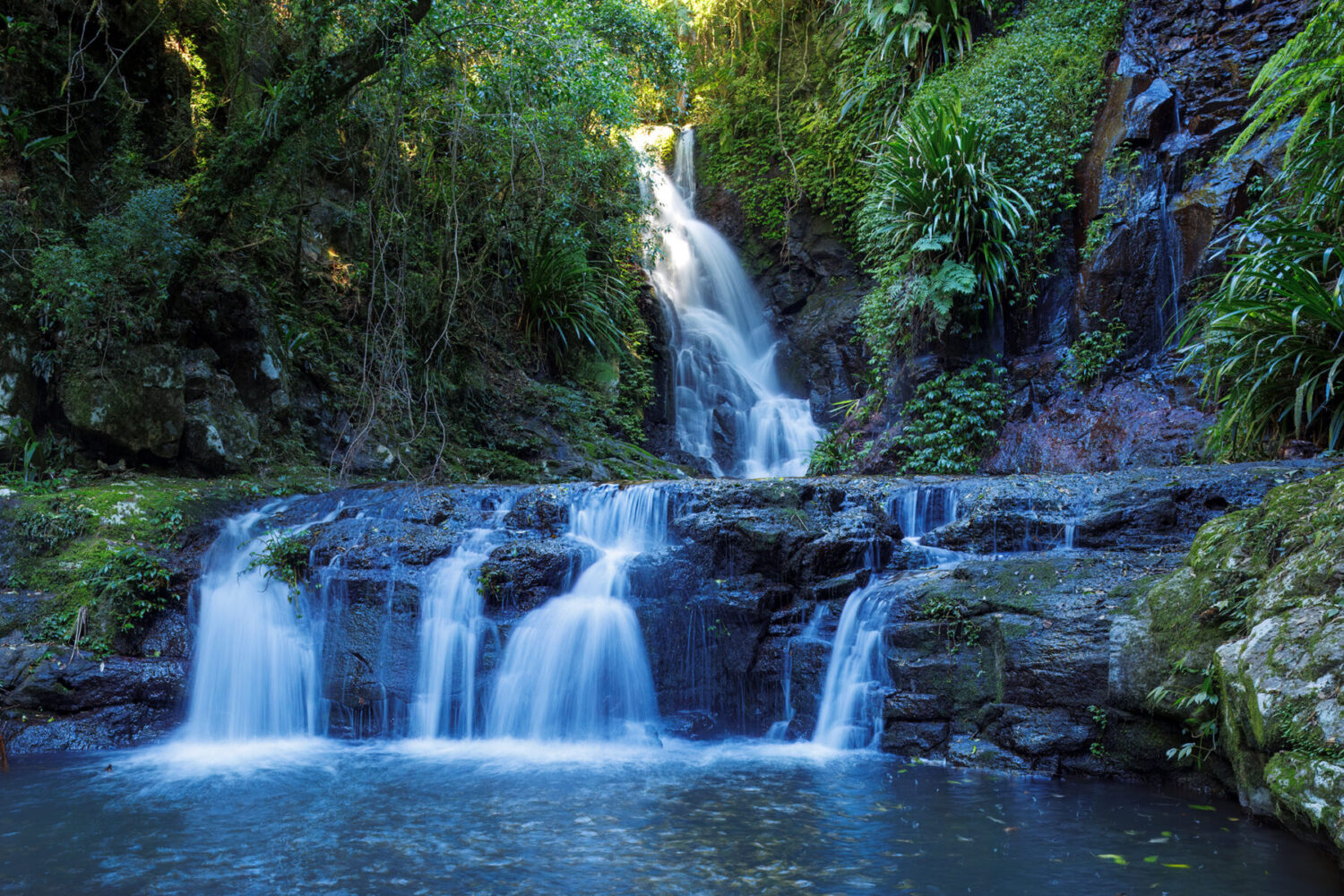
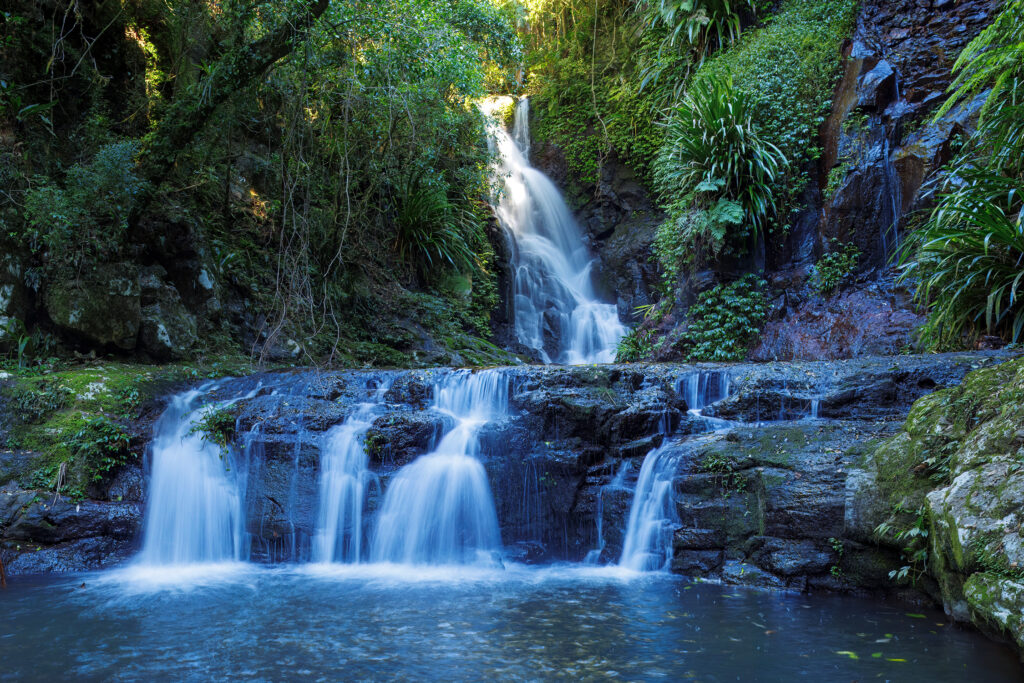
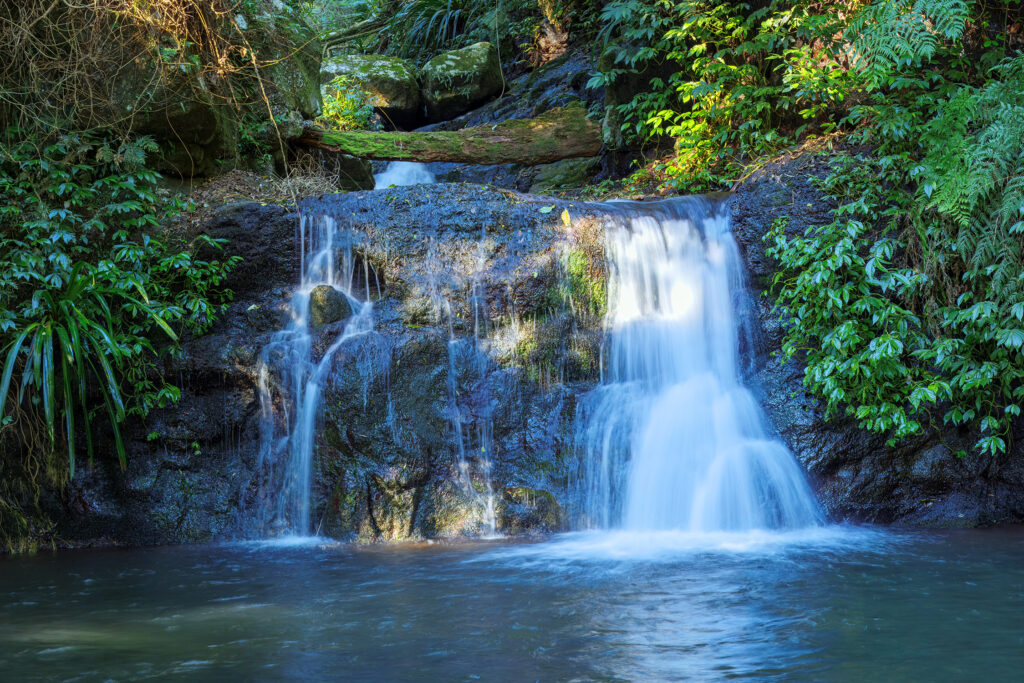
    Elabana Falls is, without doubt, the jewel of this trail—and my personal favourite. The falls cascade gracefully over a series of moss-covered ledges into a serene rock pool below. Surrounded by ancient rainforest and accessible via the popular Box Forest Circuit, Elabana has a fairy-tale quality that makes it one of the most photographed spots in Lamington. The light filtering through the canopy above creates an ethereal atmosphere, especially in the early morning.

    This is a place where time seems to slow. We spent the longest here, trying to capture the perfect long exposure shot of the water as it veiled over the rocks. A must-see for any nature lover or photographer.

    🌿 2. Chalahn Falls
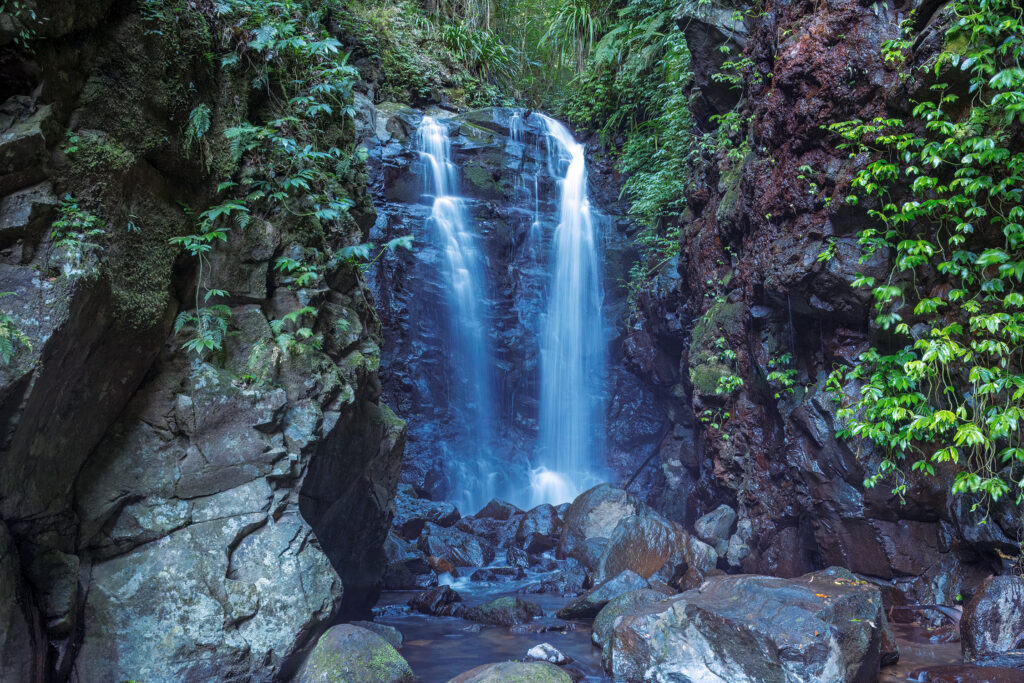
    Just a short hike further, Chalahn Falls offers a striking contrast. These falls are taller and more dramatic, plunging vertically down a dark cliffside wrapped in vines and ferns. The surrounding rainforest is particularly dense here, creating a mystical, enclosed feel. The track narrows and becomes more rugged as you approach, giving the waterfall an almost secretive allure.

    The water plunged steadily over the rock face during our visit, framed by lush ferns and hanging vines. Although it was our first time seeing Chalahn Falls, it was every bit as beautiful as we’d hoped. The dense greenery and dappled light created a moody, atmospheric setting that made it a great spot for photography.

    🌿 3. Toolona Falls
    Toolona Falls is where the trail really comes alive with the sounds of rushing water and bird calls echoing through the forest. These falls spill down in a single, wide curtain and are set deeper into the heart of the park. The path here is wetter and more slippery, so good boots are essential.

    Toolona has a wild, untouched character that’s hard to beat. It’s also the perfect spot to pause for a snack and just soak in the sights and sounds of the rainforest.

    🌿 4. Box Log Falls
    Box Log Falls offers a beautiful reward for those willing to follow the winding trail along West Canungra Creek. These falls are broad and tall, tumbling over black volcanic rock surrounded by lush palms and towering trees. The nearby log bridge and stepping stones add a sense of adventure.

    The area is also rich in birdlife—whipbirds and bowerbirds accompanied us here, making it a fantastic stop for both photographers and young explorers.

    🌿 5. Yanbacoochie Falls
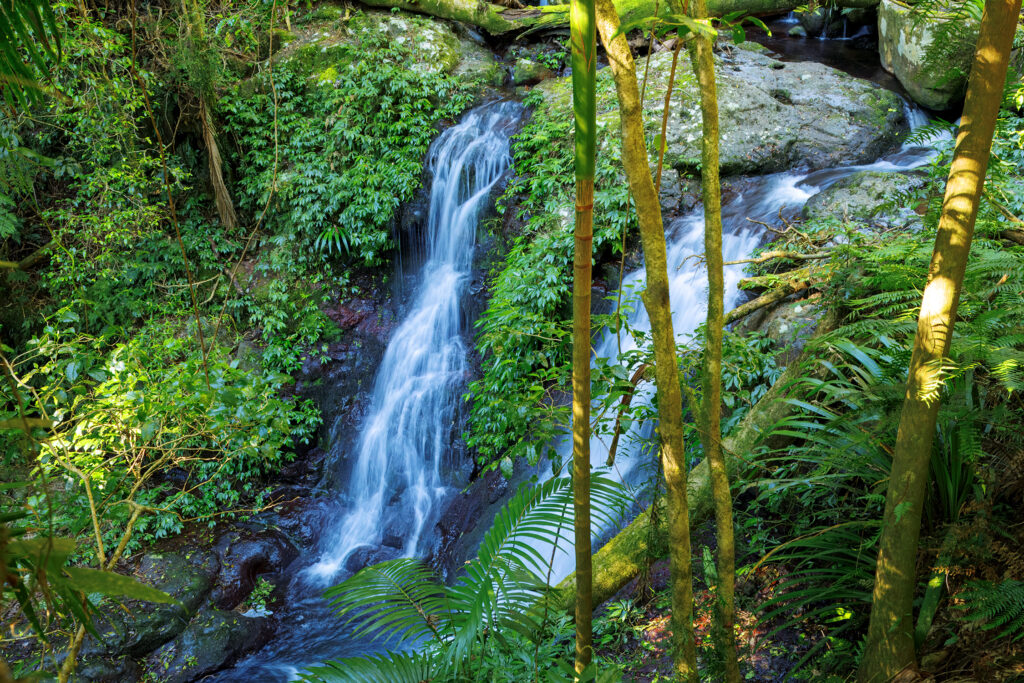
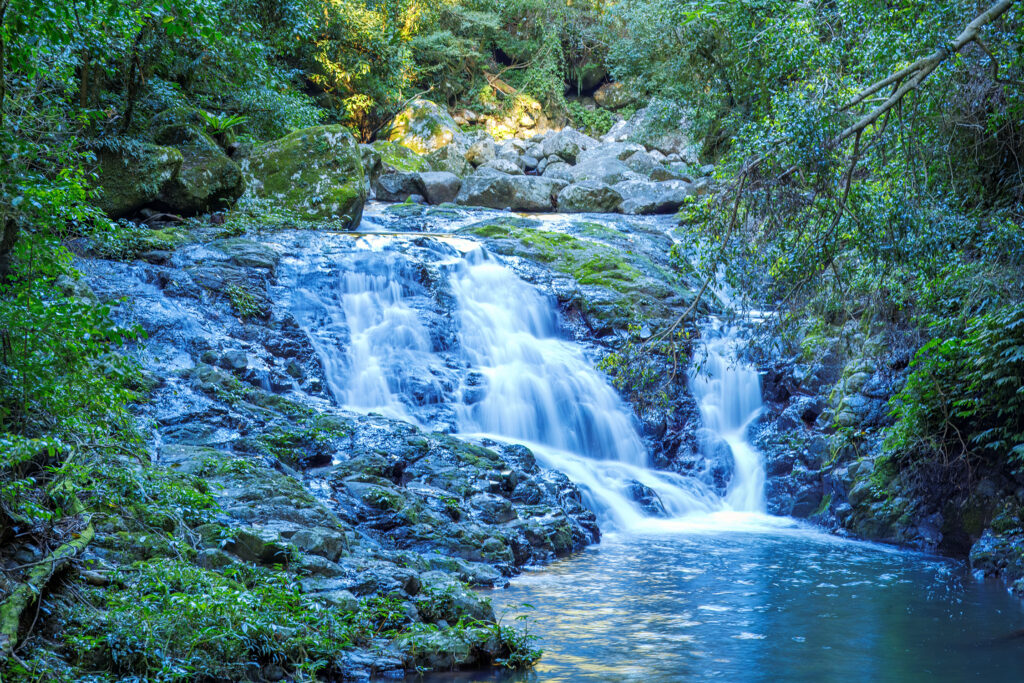
    Our final stop was the lesser-known but equally enchanting Yanbacoochie Falls. Though not as tall or dramatic as the others, it has a quiet charm. The water slides over smooth rocks into a small pool tucked into the forest. It feels more remote, and we had it entirely to ourselves—a perfect way to end the hike.

    There’s a serenity to this spot, a kind of whisper from the rainforest. It’s one of those places that rewards the effort it takes to find it.

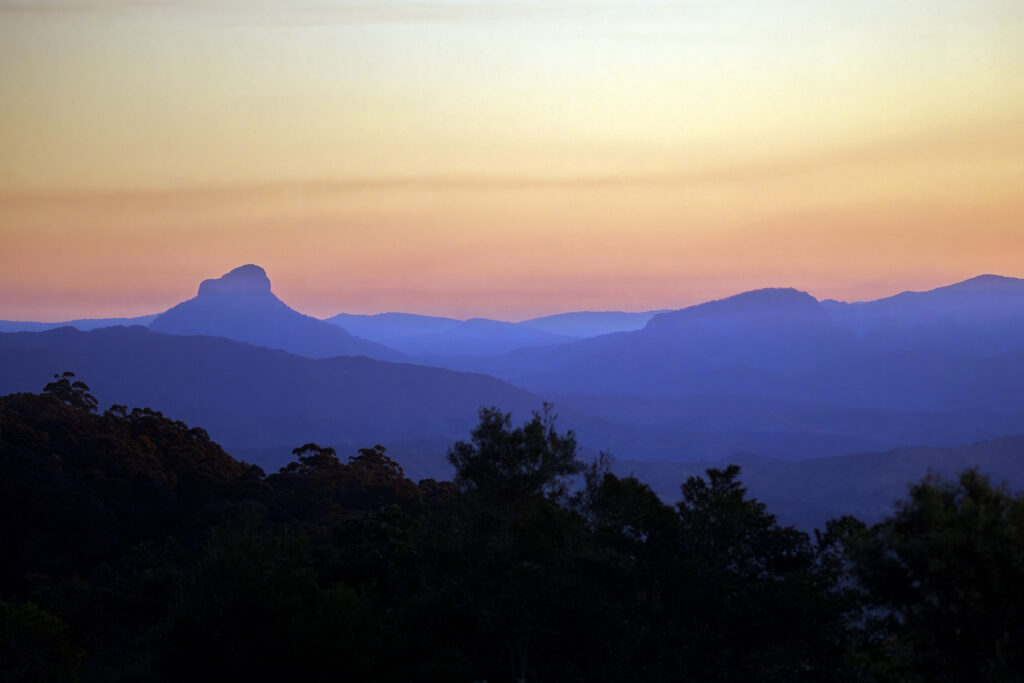
    After we wrapped up the walk, a bit tired but buzzing with excitement, we stayed to watch the sunset paint the sky behind the distant mountain ranges, casting a stunning layering effect over the landscape.

    Of all the waterfalls we visited, Elabana Falls stood out to me as the most breathtaking. There’s something truly magical about the way it cascades gently over the mossy rocks, surrounded by the dense, green rainforest. It was a spot I could have stayed at for hours, just soaking in the stillness and beauty. Each of the five waterfalls has its own charm, though—and I’d love to hear what you think. Based on the photos I’ve shared, which one is your favourite? Let me know in the comments below!