
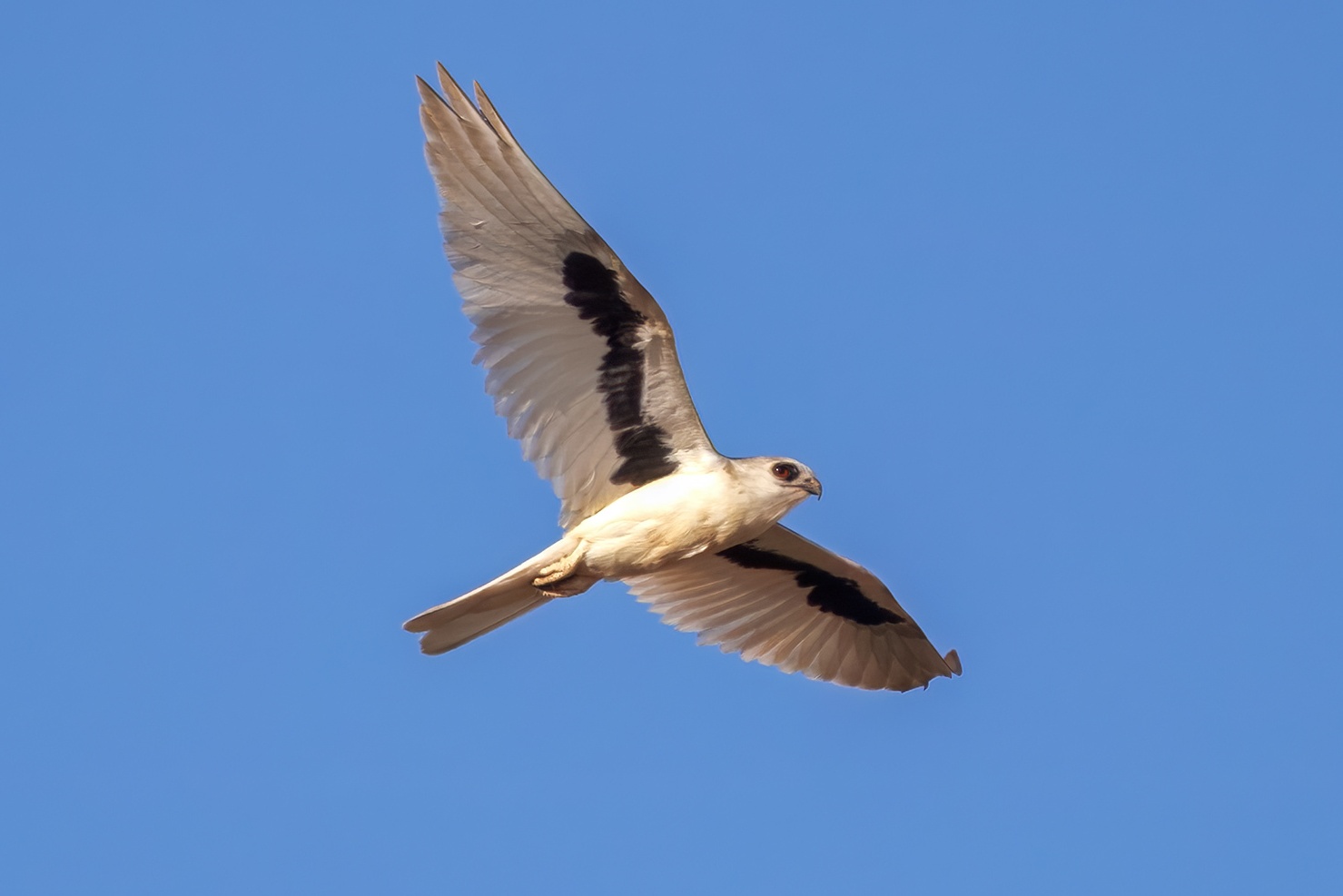
In this article, I’m excited to share my recent encounter with one of Australia’s most elusive raptors — the Letter-winged kite. Before I dive into the story of that unforgettable sighting, let’s start with some fascinating facts about this rare and remarkable bird.
Interesting facts
- World’s only nocturnal raptor: The Letter-winged kite (Elanus scriptus) is a true night hunter, the only bird of prey in the world that consistently hunts exclusively after dark, rather than just occasionally being seen at night.
- Endemic to Australia: This species occurs nowhere else, inhabiting the arid and semi-arid inland regions of the continent.
- Distinctive wing markings: Bold black “letter-shaped” markings on the underside of the wings make the species unmistakable in flight.
- Exceptional hearing: Like owls, Letter-winged kites rely heavily on sound to locate prey in complete darkness.
- Silent flight: Soft-edged feathers allow near-silent flight, giving them a major advantage when hunting rodents.
- Specialist mouse hunters: Mice form the bulk of their diet, with the species closely tied to rodent population cycles.
- Boom-and-bust population cycles: Numbers increase rapidly during mouse plagues following good rainfall, then decline sharply as prey becomes scarce.
- Opportunistic breeding: Breeding occurs only when food is abundant, and multiple broods may be raised in favourable seasons.
- Daytime communal roosting: Birds roost quietly in trees during the day, often in loose groups.
- Scarce and seldom seen: In dry years, the population is estimated at only 1,000–2,000 mature individuals, and their nomadic movements make encounters unpredictable.
Discovering the Letter-Winged Kite
One afternoon, walking home through an area where Black-shouldered kites are usually seen, something darker caught my eye. It didn’t take long before the bird took flight, revealing the striking black lines across the underside of its wings — not the dark wingtips I was used to.
A Letter-winged kite! My heart raced. My camera wasn’t with me, and I knew I had to act fast. It took an hour and a half, trekking through the desert heat, to grab my gear and return — all the while hoping the bird hadn’t disappeared. Unbelievably, it was still there.
Slowly, I approached, snapping photos and closing the distance a few metres at a time, careful not to startle it. Later, it was mobbed by crows and, almost theatrically, displayed its signature underwing “letter” again — this time for the camera.
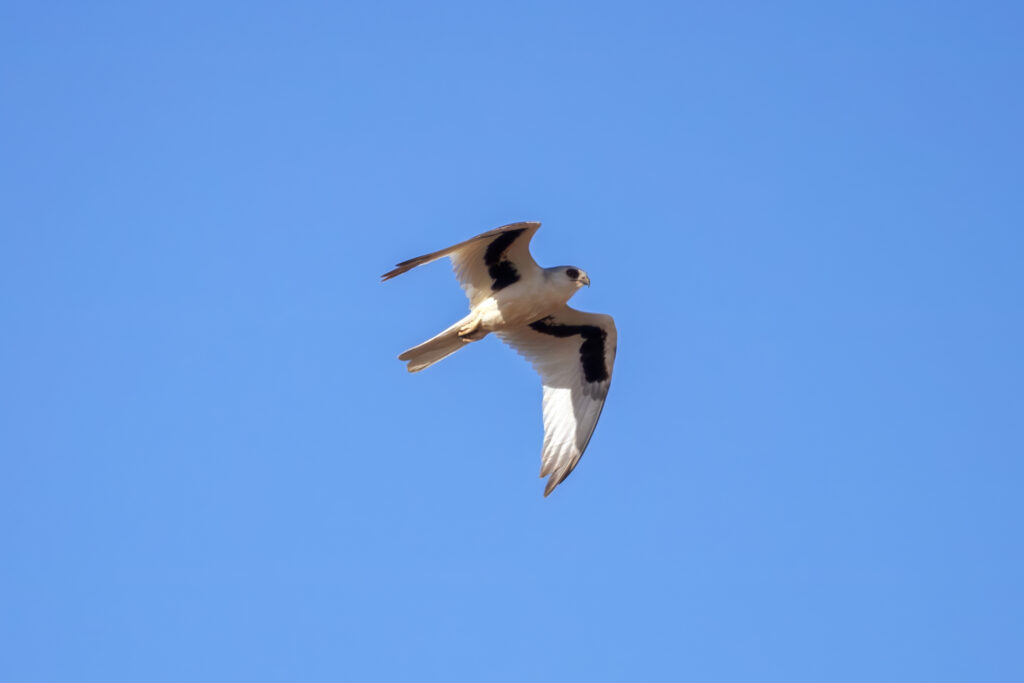
The photos I’m sharing aren’t works of art, but they capture the sheer luck of witnessing one of Australia’s rarest nocturnal raptors. Perhaps my first — and only — Letter-winged kite sighting.
For anyone unfamiliar with the Letter-winged kite, it’s hard to overstate just how rare this bird is. To put that rarity into perspective, there are only around 500 recorded observations on eBird across all time. For a species that ranges over such a large part of inland Australia, that number is remarkably small and highlights just how seldom these birds are encountered, let alone photographed. Many seasoned birders will go their entire lives without seeing one in the wild.
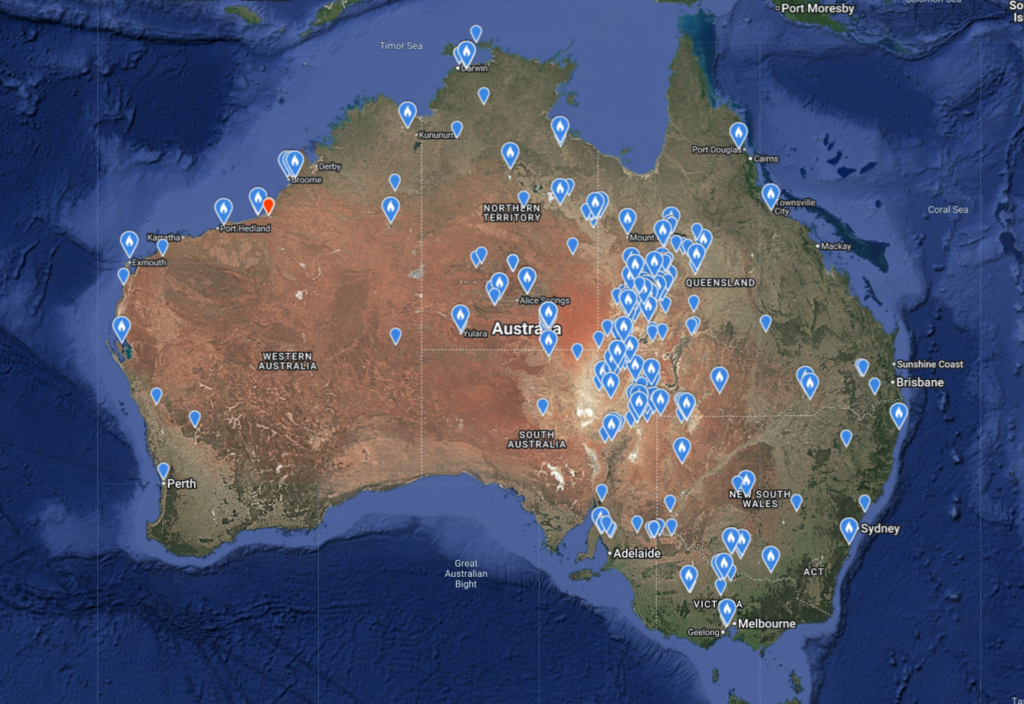
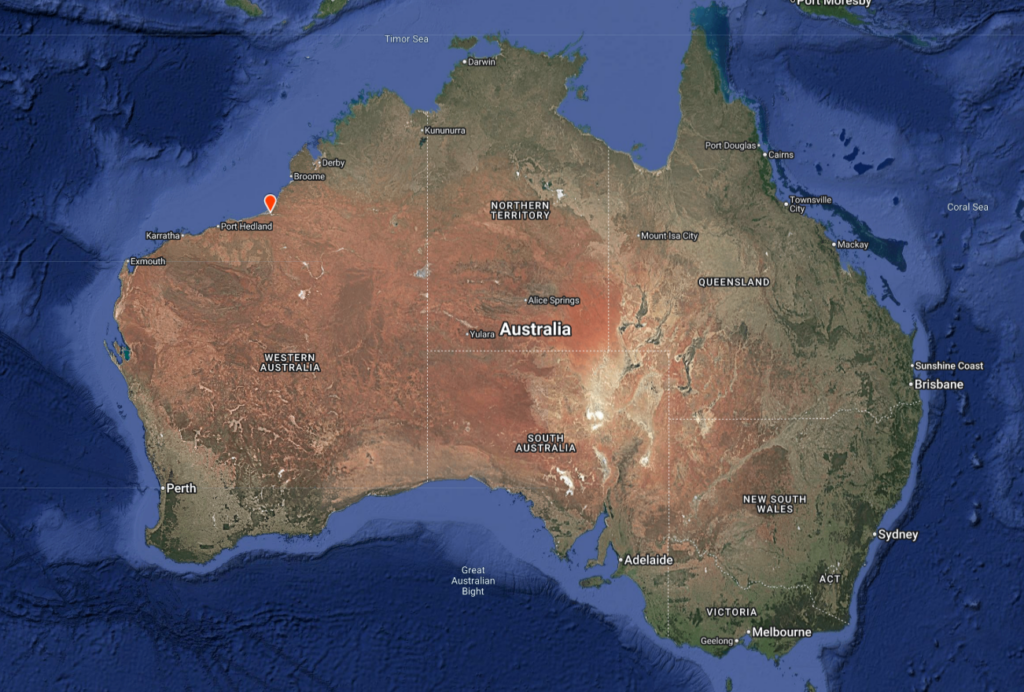
The map of this year’s observations tells the story at a glance. Overall sightings are few, widely scattered, and largely confined to remote inland regions, reflecting the kite’s nomadic nature and highly specialised habitat requirements. Each record represents not just a rare bird, but a fleeting moment when rainfall, prey abundance and timing have aligned just right. For a wildlife photographer, encountering a Letter-winged kite is less about planning and more about sheer luck—and that’s what makes every sighting, and every photograph, so special.
Have you ever encountered a Letter-winged kite? Tell me in the comments below where you saw it!


Leave a Reply to Vlad Cancel reply