Dingoes are one of Australia’s most iconic yet misunderstood native animals. Thought to have arrived on the continent over 4,000 years ago, they’ve since adapted to thrive in diverse environments across the country — from tropical forests and alpine regions to arid deserts. As apex predators, dingoes play a crucial role in maintaining healthy ecosystems by controlling populations of herbivores and invasive species. Unlike domestic dogs, dingoes are incredibly agile, clever, and self-reliant, often covering vast distances in search of food and water.
🐾 Fun Facts About Dingoes
They don’t bark like domestic dogs. Instead, dingoes communicate using howls, growls, chortles, and yelps. Their howls can carry over several kilometres — perfect for calling to mates or warning off rivals.
They have rotating wrists. Dingoes have unusually flexible wrists and can rotate them, which gives them better climbing ability than most dogs. They can scale fences, open gates, and even climb trees if needed!
They’re Australia’s wild canines — but not technically native. Dingoes arrived in Australia around 4,000 years ago, likely brought by seafarers. So while they’re not endemic, they’ve become a vital part of the ecosystem over millennia.
They often mate for life. Dingoes are generally monogamous, with dominant breeding pairs staying together for multiple years, raising their pups cooperatively within a pack.
Dingoes are excellent hunters. With keen senses and endurance, dingoes can take down prey much larger than themselves, including kangaroos. They often hunt in coordinated packs but are also capable solo hunters.
Their footprints are unique. Unlike domestic dogs, dingoes tend to walk in a straight line, placing their back foot directly in line with their front — leaving a very neat and distinctive track.
They play a critical ecological role. As apex predators, dingoes help control populations of invasive species like rabbits and feral cats, contributing to biodiversity by giving native flora and fauna a better chance to thrive.
Pups are born once a year — usually in winter. Dingo breeding season typically runs from March to June, with pups born around May to August. Litters usually include 4–6 pups, raised communally within the pack.
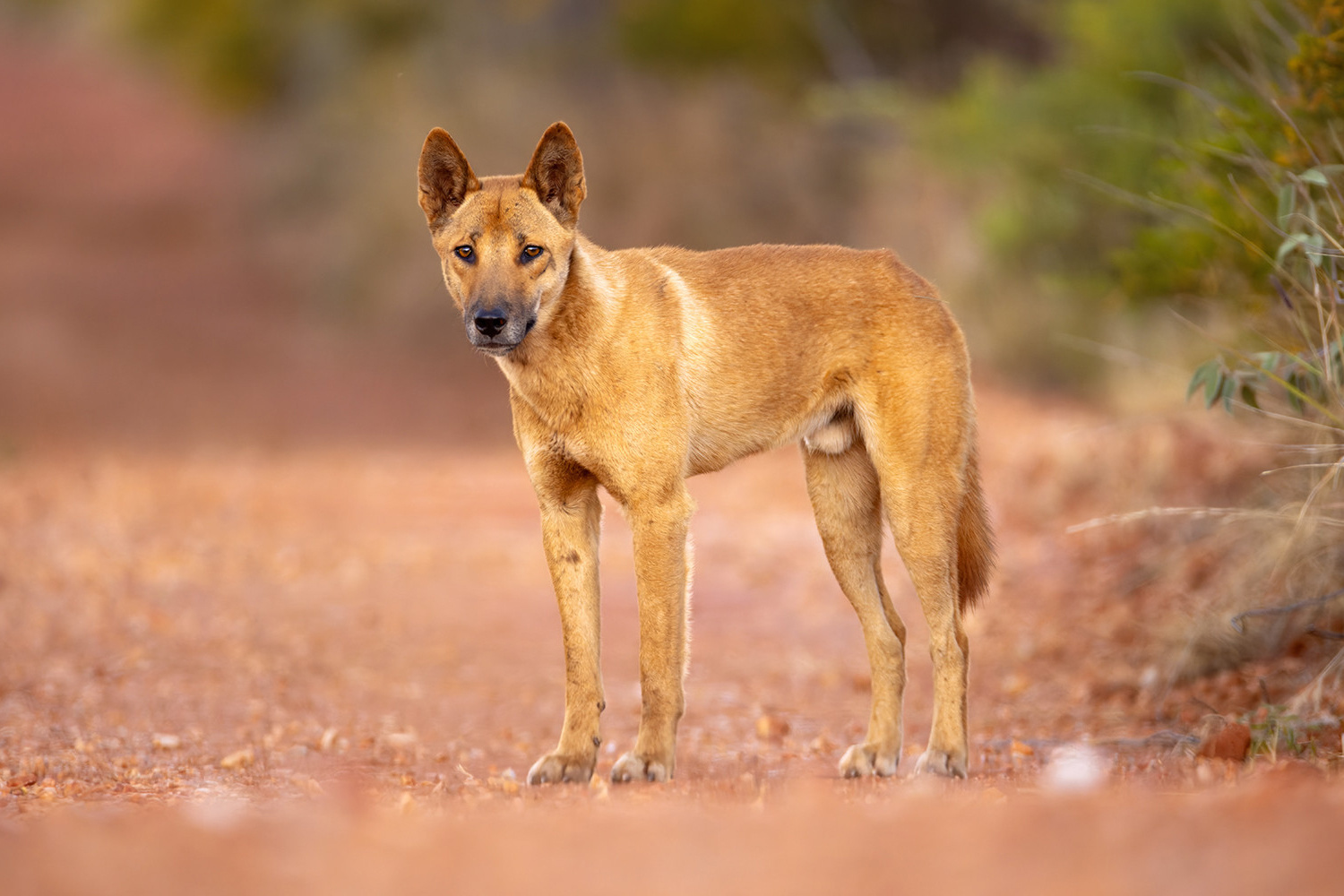
The following photos were taken during my recent trip to the Tanami Desert, one of the most remote and least disturbed regions of Australia. Due to its isolation, the dingoes here are considered to be among the purest in the country, having remained largely free from hybridisation with domestic dogs — a major concern in other regions.
What stood out to me immediately was their striking black and rufous colouring. I used to seeing dingoes in captivity or less remote areas, where their coats were typically creamy or reddish-brown. Initially, I assumed these darker individuals were juveniles whose fur would change as they matured. However, after digging into various sources, I learnt that dingoes naturally occur in a broad range of colours — from pale off-white and cream to deep rufous, chocolate brown, and even jet black. This diversity in coat colour can vary depending on genetics, environment, and regional populations.
Below are several photographs showcasing the rugged beauty and unique colouration of the Tanami dingoes. I hope they offer a fresh perspective on these remarkable wild dogs — unfiltered, undisturbed, and entirely in their element.
The name painted finch is no exaggeration — the males look like they’ve been hand-painted, with crimson red splashes on the face, chest, and rump, contrasting dramatically against their black-and-white spotted body. Even their beak is a striking red.
🌵 Desert Survivors
Painted finches thrive in harsh environments, particularly Australia’s central and northwestern deserts. They’re commonly found near rocky outcrops, spinifex grasslands, and dry creek beds — always close to a source of water.
👂 Hard to Hear
Their call is a soft, high-pitched tsee-tsee that can be incredibly hard to detect in the wild, especially with desert winds and background noise. This quiet nature often makes them difficult to locate, even when nearby.
🐣 Tiny but Tough
Despite their delicate appearance, painted finches are tough little birds. They feed mostly on grass seeds and can survive on very little water, extracting moisture from their food and visiting water sources only occasionally.
👨👩👧👦Loyal Pairs
They usually form monogamous pairs and can be seen foraging or drinking together. Breeding is often timed after rainfall when seed abundance is high. Both sexes help build the nest, and both share incubation duties.
🏡 Architects of the Outback
Their nests are built low in shrubs or grasses, made of fine twigs and grass stems, and often lined with feathers. Interestingly, they sometimes use old zebra finch nests or build their own close to zebra finch colonies.
🧬 A Finch With Many Names
Besides “painted finch,” they’re sometimes referred to as “painted firetail” — a nod to their brilliant red rump. Their scientific name Emblema pictum literally means “painted emblem.”
📉 Not (Yet) Endangered
While their habitat is remote and relatively undisturbed, their dependence on water sources and grass seed means they’re vulnerable to changes in fire regimes, grazing pressure, and climate variability.
📷 A Photographer’s Dream — and Nightmare
Their stunning plumage makes them highly sought-after by bird photographers. But their shy behavior, quiet call, and tendency to hide in dense grass make them one of the more challenging subjects in the outback.
My Story
Ever since I first set foot in the Tanami Desert, I knew there was a chance — however slim — to encounter the elusive painted finch (Emblema pictum). For a wildlife photographer, any bird with a touch of red is an automatic invitation to frame. But painted finches? These birds don’t just have a touch. They are so vividly patterned — crimson splashed across jet black and earthy browns — that the first time you see one, it can feel almost unreal. Like a child’s drawing that somehow came to life. Or as I often say, they’re so colorful it might just make your eyes bleed.But knowing a bird exists and actually finding it are two very different things — especially in the vastness of central Australia. It took nearly a year before I had my first real encounter. Ironically, it wasn’t even in person.
A Ghost in Pixels
It was my trail camera that first picked one up — a fleeting glimpse in the corner of a frame. That image changed everything. I finally had a clue: a general area, a pattern, a hope. Still, unlike zebra finches, which flock in dozens and fill the desert air with their constant chatter, painted finches are subtle. Solitary. Quiet.
Their call is a soft, high-pitched whisper — almost impossible to pick out against the ever-present drone of the desert wind. And they move low in the grasses, blending perfectly into the ochres and silvers of the landscape.
The First Photograph
One morning, while checking a waterhole, I caught sight of them — a pair, just briefly, drinking alongside some diamond doves. The male vanished almost immediately into the spinifex. I was left with only a single shot of the female. But even she, in her muted tones, made my eyes twitch. Painted finches truly are striking, even when they’re not wearing their Sunday best.That single image carried me through the next few months. I kept returning, kept scanning the low bushes, kept listening for whispers in the wind.
A Desert Reward
Then, one morning just before sunrise, it happened. A pair of male painted finches — one adult, one juvenile — appeared, seemingly out of nowhere. The golden hour light had just begun to warm the red sands, and for a few precious minutes, everything lined up. The juvenile bird posed, still for just long enough for me to get the shot. His feathers catching that soft dawn light, red face vibrant against the blue-grey desert background.
Below is that photo — the only clear image I have so far of an adult male painted finch. A perfect mix of fresh plumage and curiosity, captured just as the desert was waking up.
The adult male, of course, was less cooperative. He dodged the lens with precision honed by a lifetime in the desert. I didn’t get the perfect pose from him — not yet. But that’s the way it goes. The desert never gives up all its secrets at once.
Still Hunting
And so, the hunt continues. For the perfect pose. For the perfect light. For another chance to witness these desert jewels in their element. Painted finches don’t come easy — but maybe that’s exactly why they’re so rewarding when they do.
If you’ve ever wandered through the northern tropics of Australia—across Queensland, the Northern Territory, or Western Australia—you might stumble upon one of nature’s most fascinating architects: the Great Bowerbird. Despite their rather plain appearance at first glance, these birds are anything but ordinary.
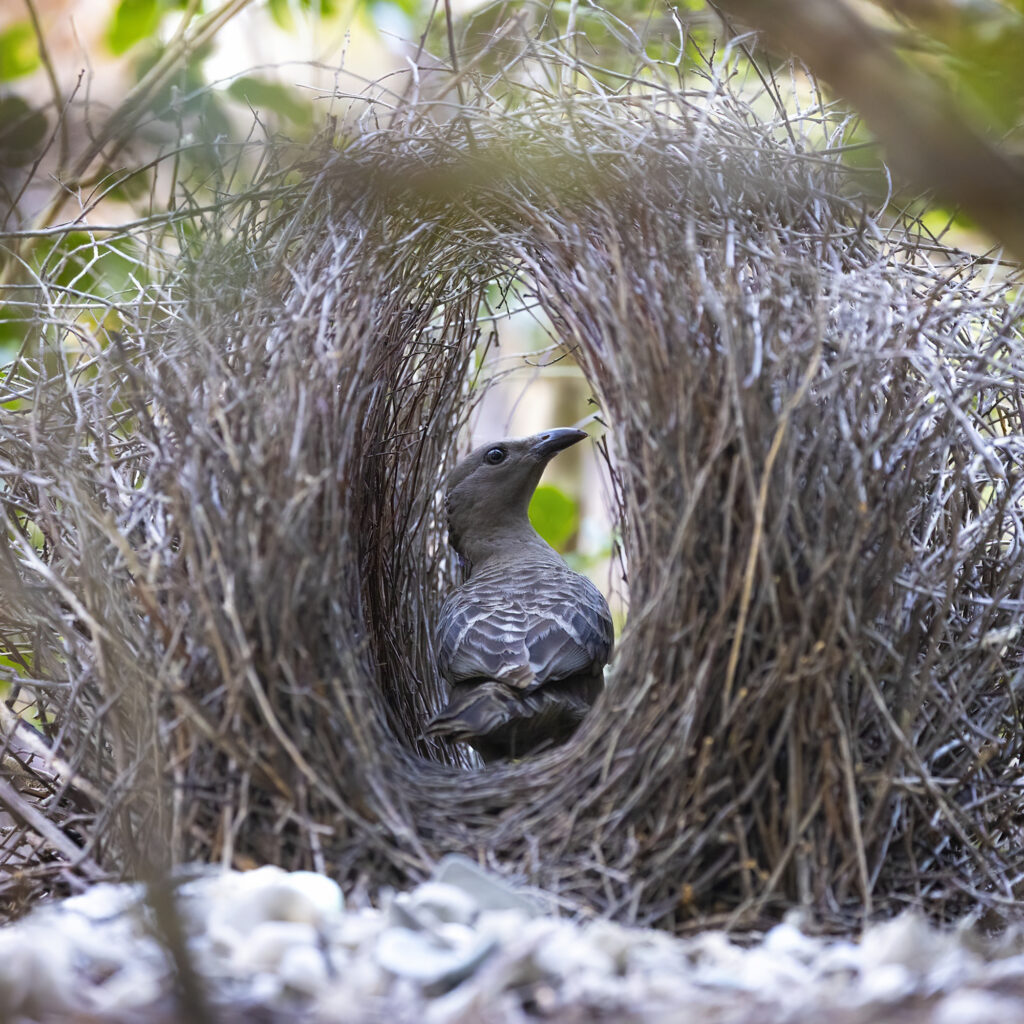
Male Great Bowerbirds are renowned for their extraordinary courtship behaviour. Instead of relying on feathers or song alone, they build and maintain complex structures known as bowers—not for nesting, but purely to impress a potential mate. These bowers, made from twigs and carefully arranged, are decorated with objects in colours the birds prefer—white, silver, and green being the favourites of this species. The dedication is remarkable: they spend weeks (sometimes months) perfecting their creation, constantly rearranging and replacing items, often stealing prized decorations from neighbouring bowers. It’s a game of constant one-upmanship in the bird world.
And while it might not sound fair, once mating occurs, the female is left to handle nesting and chick-rearing alone. The male, on the other hand, stays committed to the performance—tending his bower, calling loudly, and hoping to impress another visitor.
Here’s the cool twist:
The male arranges these objects to create a forced perspective illusion—like a visual trick! He places smaller objects closer to the entrance and larger ones farther away, making the path look more symmetrical and impressive from the female’s viewpoint. It’s one of the few known examples of non-human animals using perspective in visual displays.
If the female is impressed? She mates with him. If not? She leaves—and he may rearrange things for the next try!
Chasing Bowers: My Journey Begins
Great Bowerbirds don’t occur where I live, so observing them in the wild meant venturing into the heart of their territory. My first encounter with a bower was purely accidental. I spotted a strange pile of twigs littered with green and white objects—it looked like a mess at first glance, but something about it caught my eye. Then I saw the bird.
That was the beginning of a six-month-long photographic adventure.
From there, I began to find more and more bowers—some clearly abandoned, some full of activity. While they’re relatively easy to locate thanks to the males’ loud and persistent calls during mating season, photographing them proved far more challenging. Most bowers are cleverly hidden under dense bushes, shielded from predators—and, inconveniently, from camera lenses.
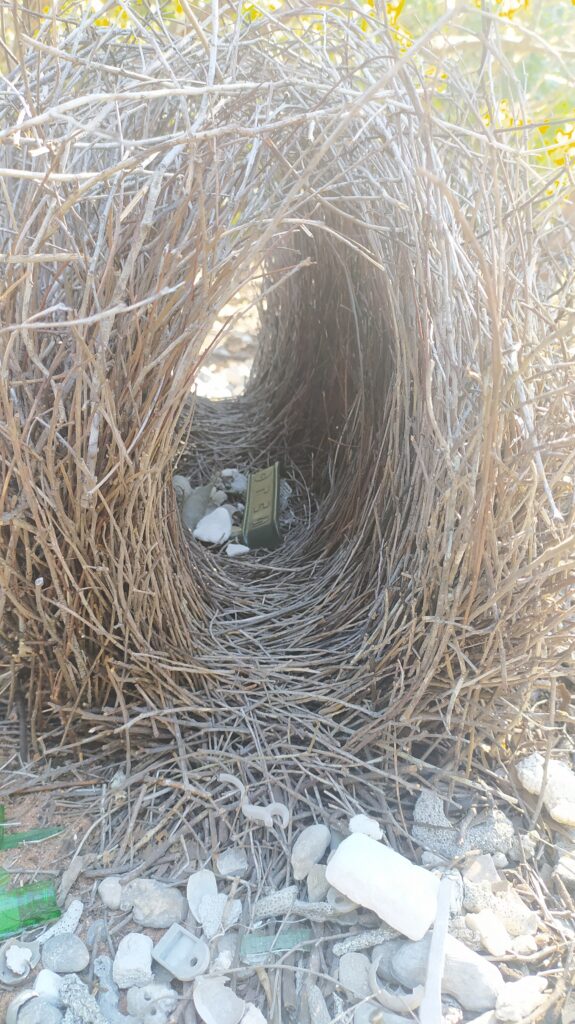
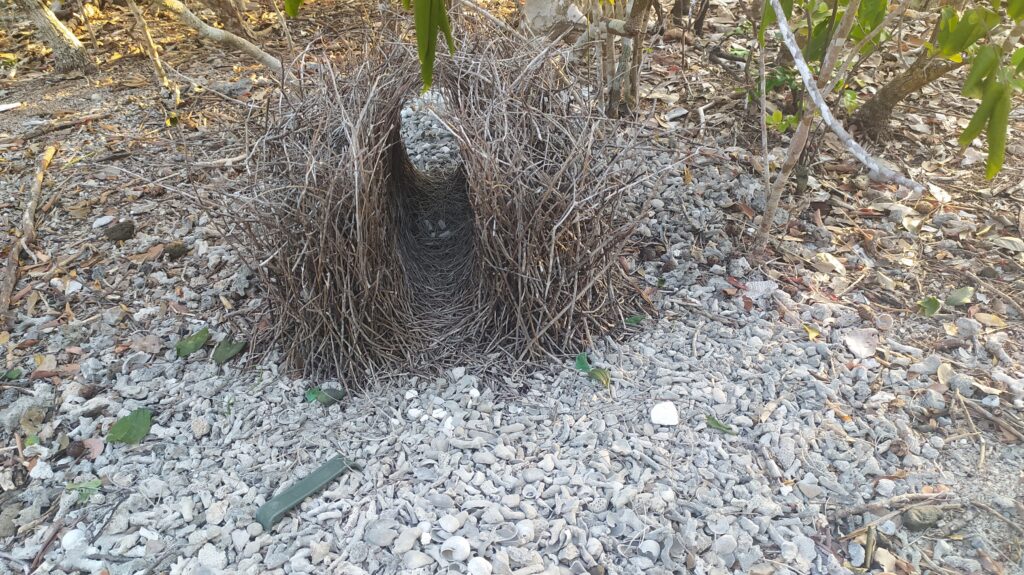
To give you an idea of what the bower is, the materials collected, and how they’re arranged, take a look at some photos below.
To be honest, I’m not sure what materials birds collected before human influence, but nowadays they mostly gather items produced by humans—such as chalk, beer can tabs, styrofoam, and various plastic bits and pieces.
An Ideal Observation Spot
One day I got lucky. One particular bower I found was not only active but perfectly positioned. It had a clear view from one side and was oriented with its “gate” facing the sun—ideal for natural lighting. I returned to this spot over and over, quietly watching as the male brought in fresh decorations, rearranged key items, and performed elaborate displays.
Moments Captured Through the Lens
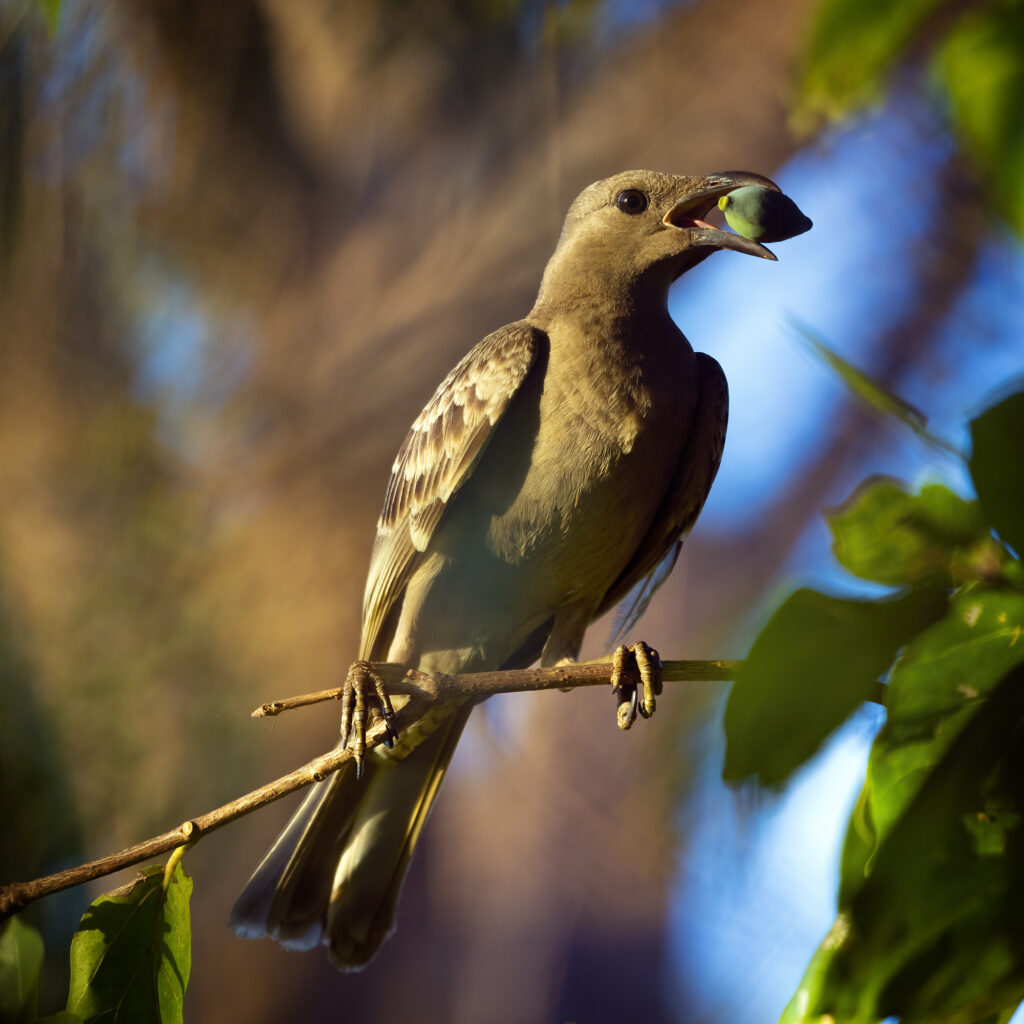
Below is one of my favourite images from this journey—a male perched low with a green seed in his beak, clearly about to place it carefully within the bower. Such a small object, but of great significance.
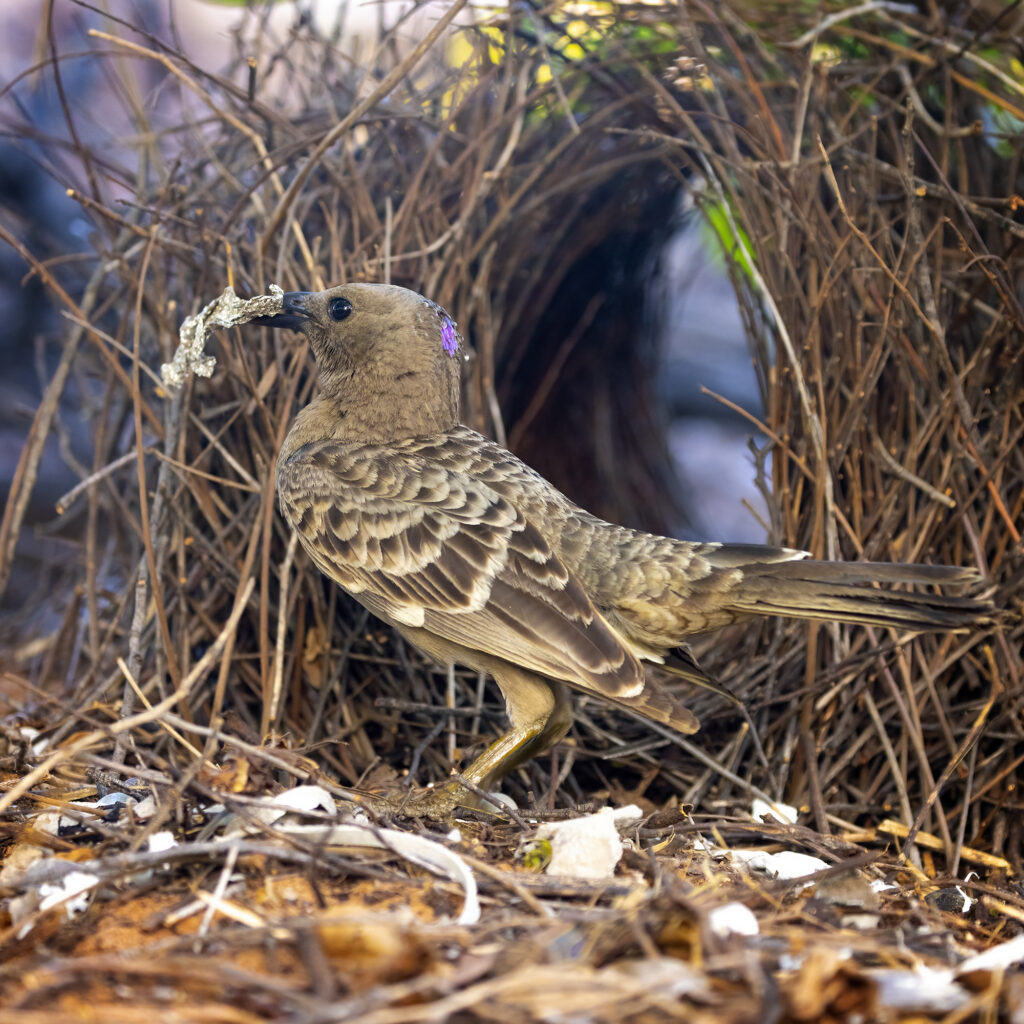
Another photo shows a male repositioning a piece of silver foil. These aren’t just random objects; they are part of a carefully curated selection. Over time, I noticed something fascinating: young males seem to favour white items, but as they age, their bowers begin to include more green. Perhaps a sign of growing maturity—or refined taste.
One particularly striking image shows a male walking proudly through the heart of his bower, doing a bit of housekeeping. These birds are meticulous.
A Surprise Encounter
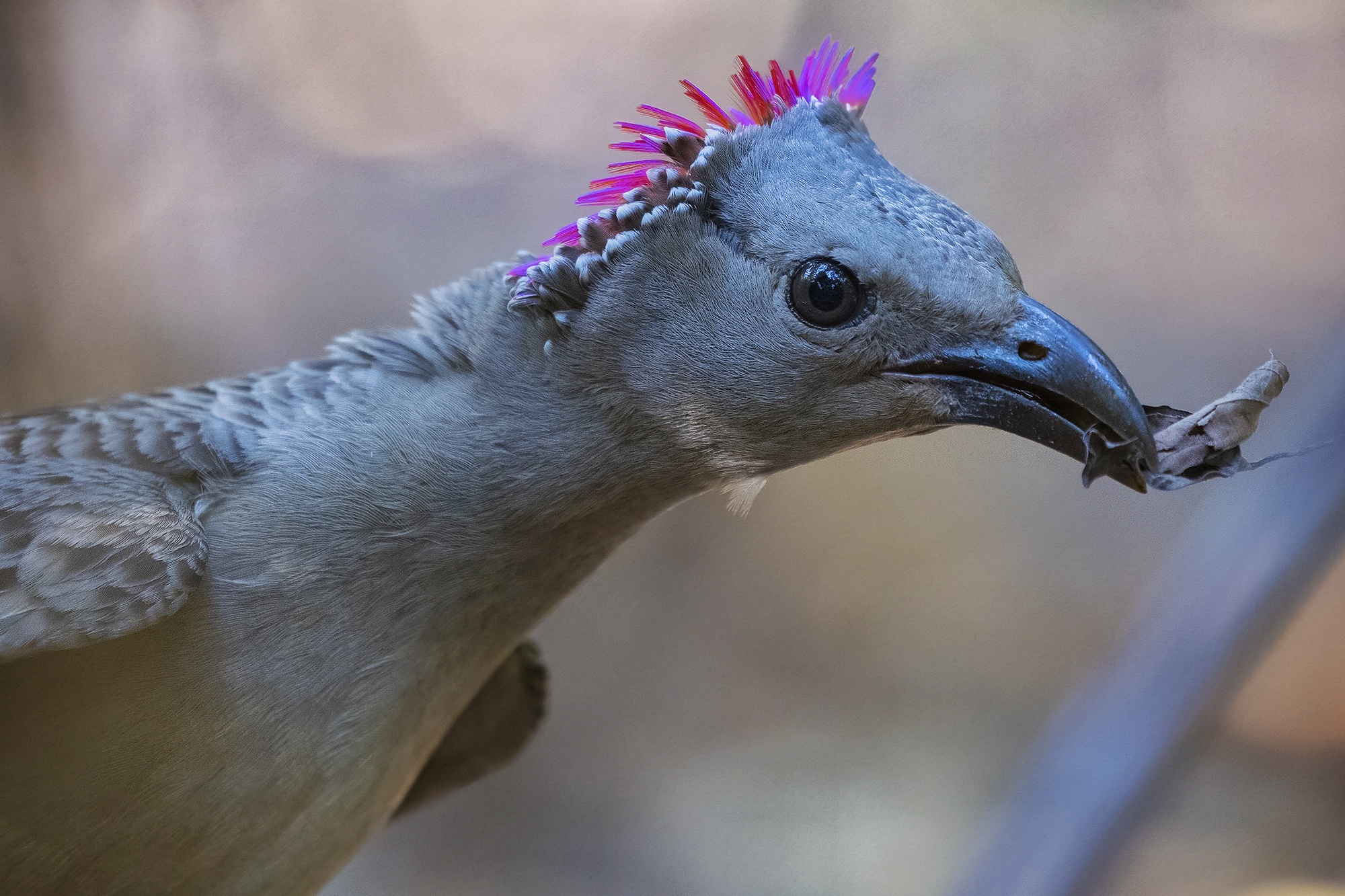
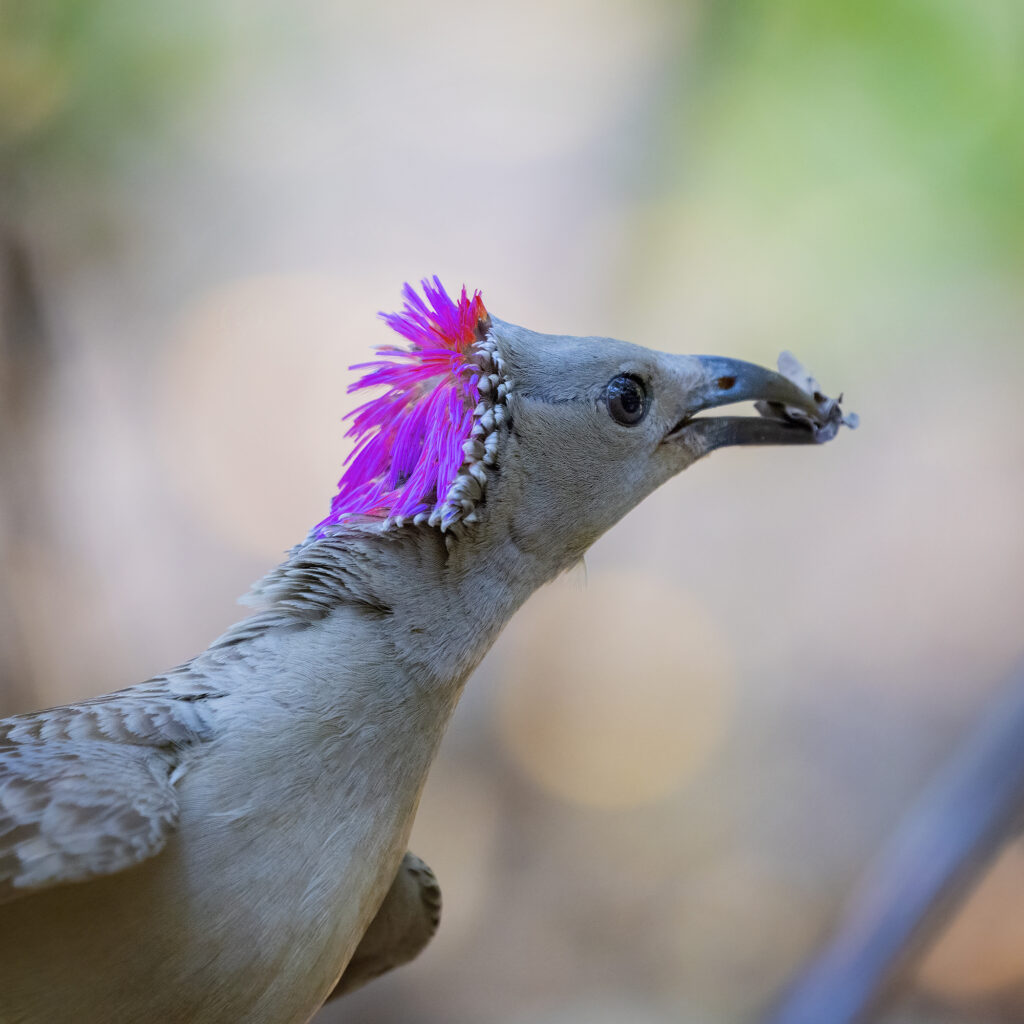
One day, while crawling silently through the underbrush toward a newly discovered bower, I accidentally crunched some dry leaf litter. Moments later, a male appeared, fluffing his head feathers and clutching a leaf—clearly part of his display. He strode straight toward me, bold and fearless. I didn’t even have time to zoom out. What I captured were tight portraits—close-ups of his display feathers, radiant in hues of purple normally hidden. They reminded me of the vivid colours of sea anemones—a brilliant, fleeting glimpse of nature’s drama.
The Curious Case of the Green Bin Handle
Another day brought a story that still makes me smile. I found a bower featuring a green plastic handle from a wheelie bin lid placed proudly right in the centre. It was clearly the bird’s most treasured item. But the next day, it was gone. Someone—some bird—had stolen it.
A few days later, I discovered the same handle at another bower over 500 metres away. Wanting to make things right, I returned it to the original bower. That night, I couldn’t sleep. What if I’d given it to the wrong bird?
Luckily, the bush provided a solution. I came across a broken bin nearby, with another loose handle. This time, I placed it near the second bower. The following day, it had been moved into the bower’s centre. My offering was accepted. I like to think both birds got to keep their prize in the end.
A Remarkable Reset: Witnessing the Resilience of Bowerbirds
After taking a break from the field, I returned to revisit the same bower I had observed weeks earlier — the one perfectly oriented to catch the sun’s rays just right. To my surprise, the entire structure had been rotated by 90 degrees. It was clear the original had been completely destroyed and then rebuilt from scratch. Witnessing this remarkable reset was a powerful reminder of the resilience and adaptability of these incredible birds. Nature’s creativity truly never ceases to amaze.
Final Thoughts
Australia is home to ten species of bowerbirds, each with their own quirks and decorating preferences. Some don’t maintain their bowers year-round, making them much harder to find, but I’m determined to photograph them all. The more time I spend out bush, the more I discover—and the more stories I have to share.
This experience with the Great Bowerbirds has been a highlight in my journey as a wildlife photographer. These birds are not just clever—they’re creative, competitive, and captivating.
I’ll be dedicating future blog entries to other bowerbird species as I encounter them, so stay tuned. If you enjoyed this read, make sure to check back, and feel free to reach out or share your own stories in the comments.
2019 feels like a lifetime ago, yet it remains one of my most rewarding years as a nature photographer. I was fortunate to travel for work—and with my camera always by my side, I found myself in the right place at the right time, more than once.
From the wild beaches of Tasmania to the towering rainforests of Papua New Guinea, here are some highlights from that unforgettable year—images that stir strong memories, capture rare moments, and tell stories I’ll never forget.
Tasmania Adventures – Calm, Coastal, and Close-Up
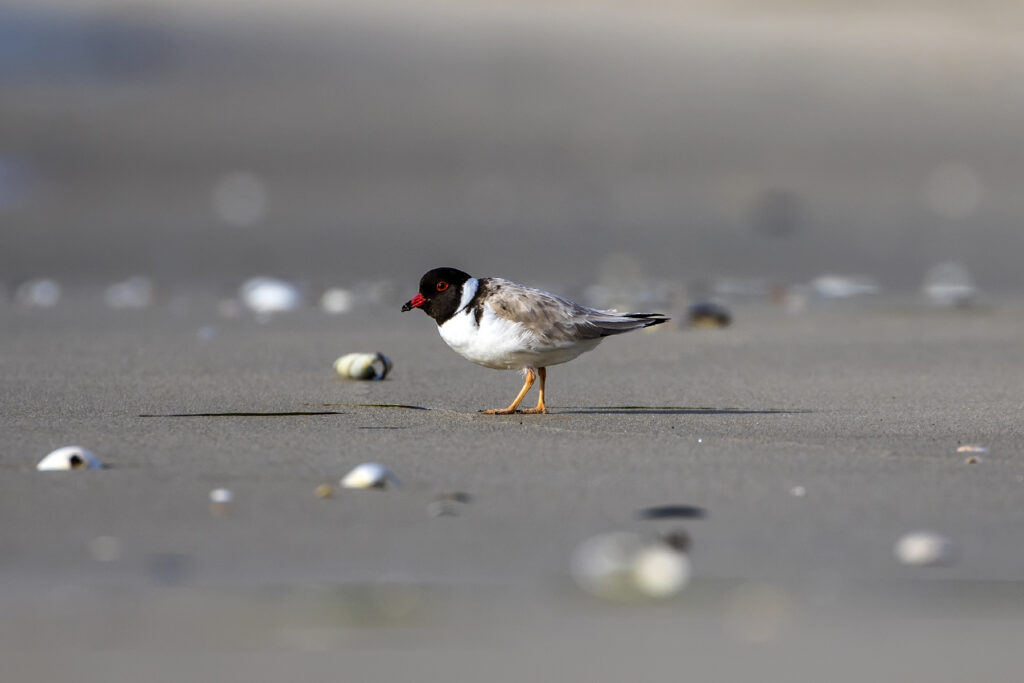
Hooded Plover – Up Close with the Endangered
In parts of mainland Australia, Hooded Plovers are endangered and notoriously hard to find. But in Tasmania—especially along its vast, untouched beaches—they were more common, yet just as captivating.
I spent hours lying in the sand, camera ready, letting one bird get used to my presence. Eventually, curiosity got the better of it, and it wandered right up to me. A calm, intimate moment—exactly the kind I always hope to capture.
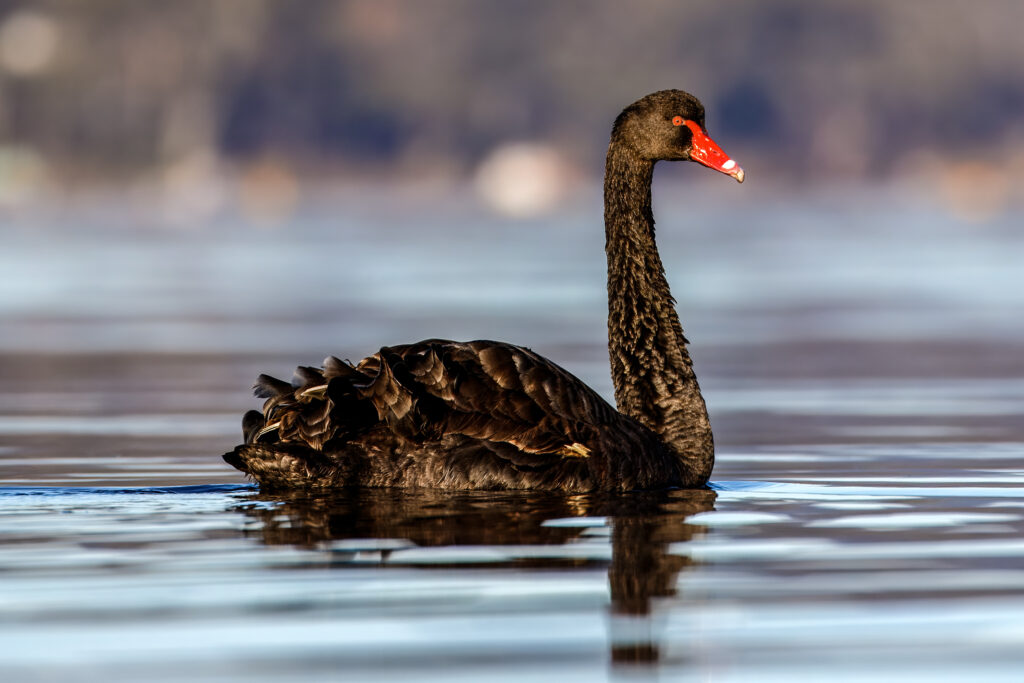
Black Swan – A Peaceful Encounter in Margate
Another memorable Tasmanian moment came in the quiet bays near Margate, where I spotted a Black Swan gliding through still water. Though the species is widespread, the setting and lighting made this image special to me—serene, minimal, and reflective in more ways than one.
Northward Bound – Photographing Papua New Guinea
After my time in Tasmania, I headed north to Papua New Guinea—and entered an entirely different world of birdlife. Towering trees, elusive species, and thick rainforest made every photo a challenge… and a thrill.
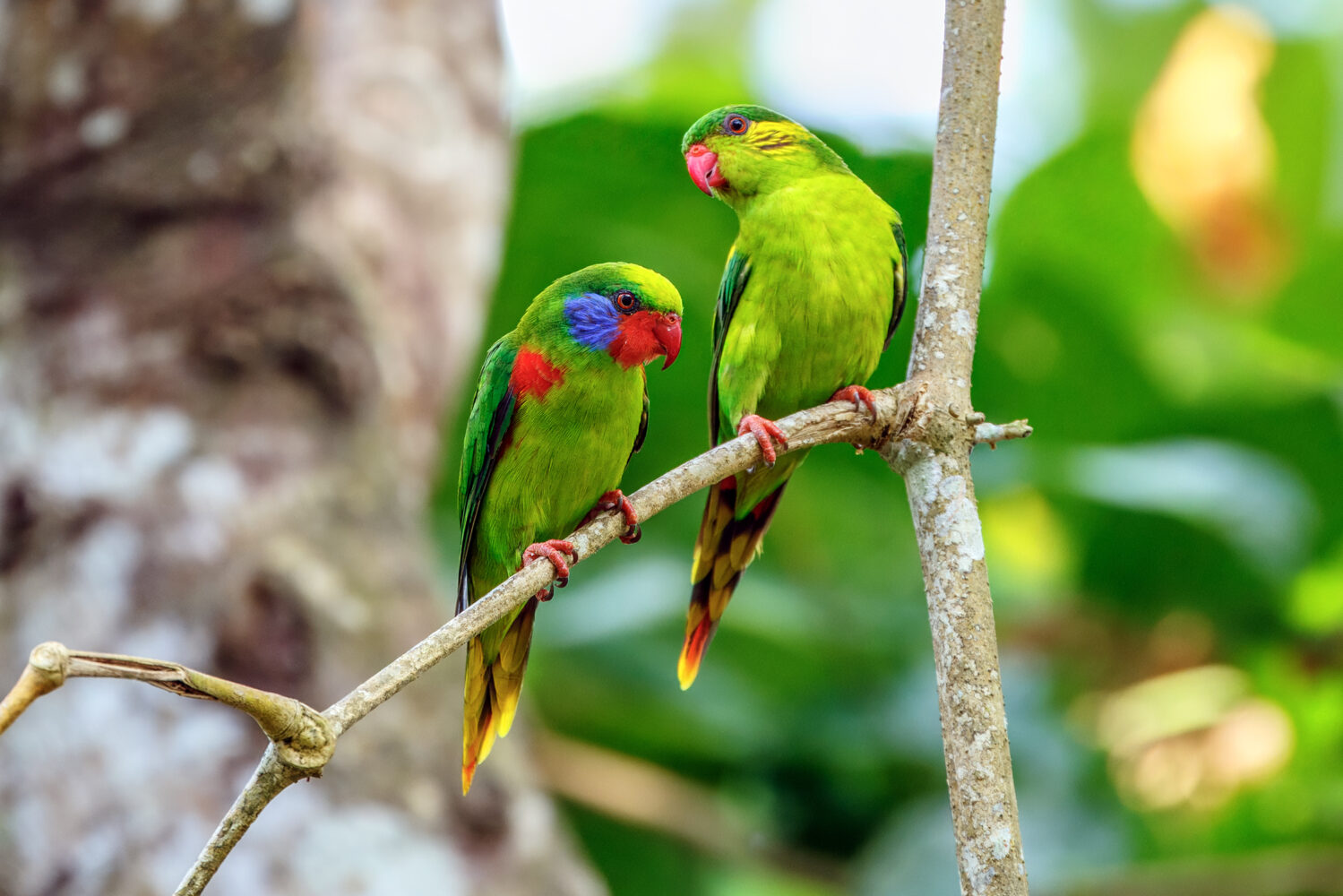
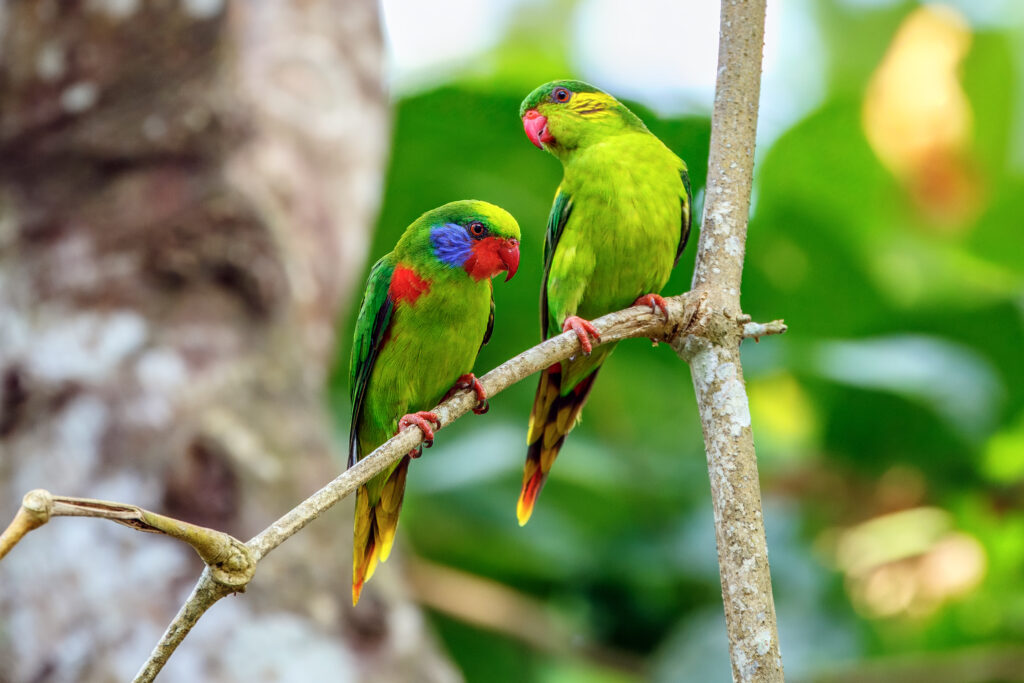
Red-flanked Lorikeets – A One-Time Opportunity
These colourful birds were not uncommon in PNG, but they almost always perched at the tops of the tallest trees—and believe me, the trees in PNG are tall! That made them difficult to photograph, until one lucky day when I found two lorikeets checking out a probable nest site at eye level. It was a rare opportunity—one I was never given again.
This particular photo even inspired an artist to create a beautiful watercolour painting based on the scene. Moments like these remind me why I always carry my camera.
Knob-billed Fruit Dove – A World-Class Find
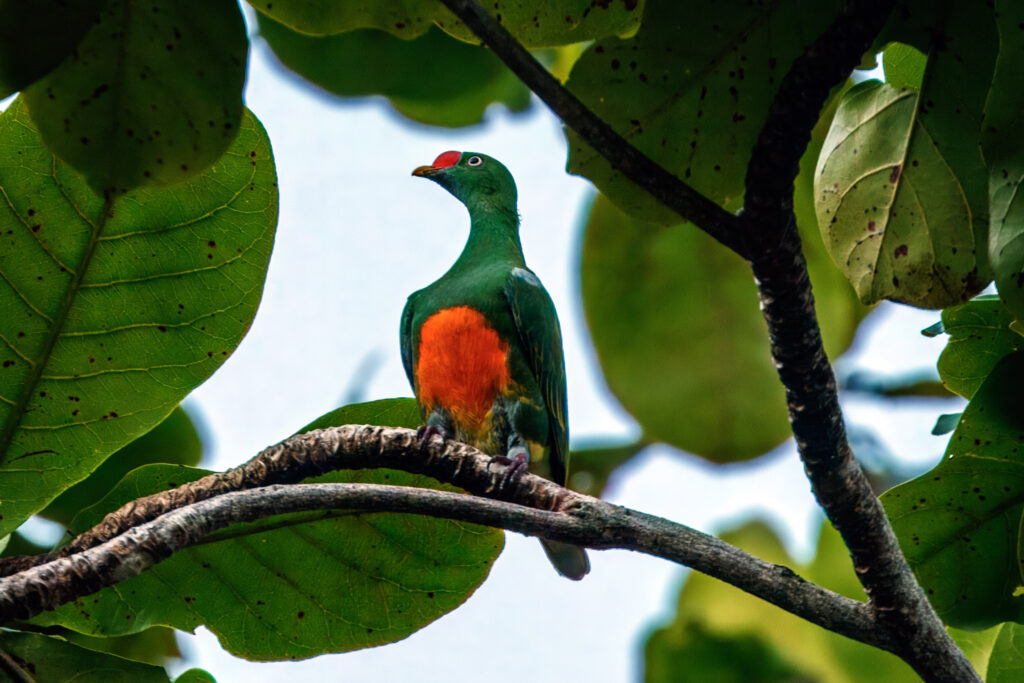
Now, this one truly was special. The Knob-billed Fruit Dove is so rarely seen that even Wikipedia uses an illustration for its species page. When I uploaded my photo to eBird, they chose it as the preview image for the species (they had to mirror it, of course, as eBird requires all birds to face right). You can see it here.
At the time of my upload, I was one of only ten people in the world who had managed to photograph this elusive bird. It’s easily one of the rarest captures of my career.
Common Kingfisher – Not So Common After All
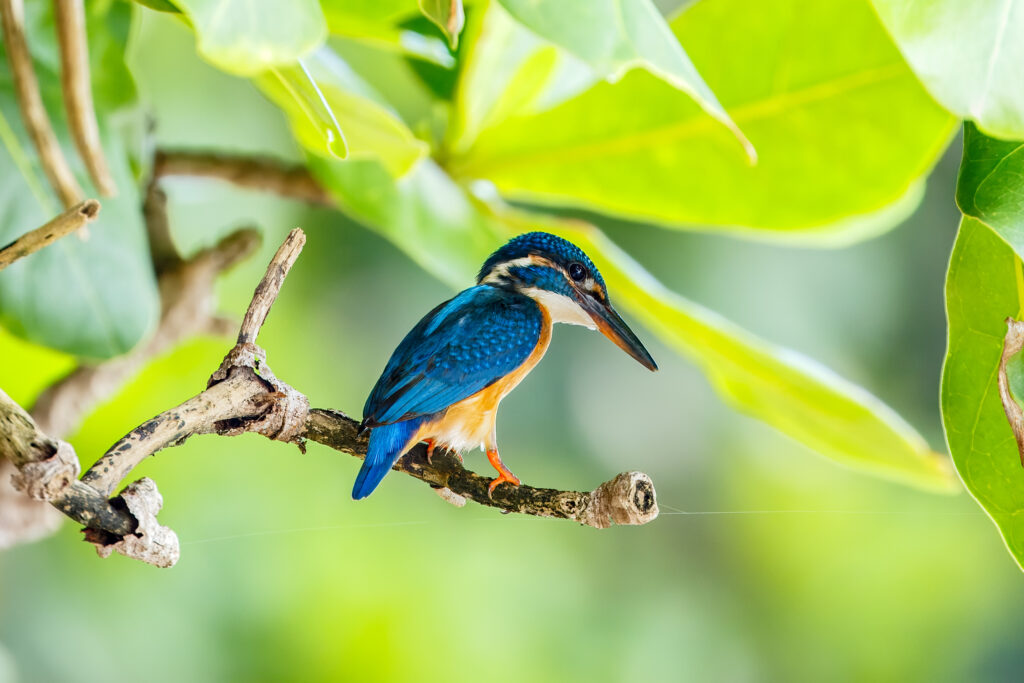
Although it’s common in Europe, seeing a Common Kingfisher in PNG was a dream come true for an Australian photographer like me. It took several weeks of careful tracking before I was able to snap this image. The bird foraged along the beach and was incredibly wary—there was no way to approach it directly.
Eventually, I managed to sneak up slowly and capture a few precious frames. A challenging but incredibly rewarding experience.
Closer to Home – Birds Around My Local Area
Not all great photos come from remote adventures. Some of my favourite captures from 2019 were taken close to home.
Crested Pigeon – The Rain-Soaked Park
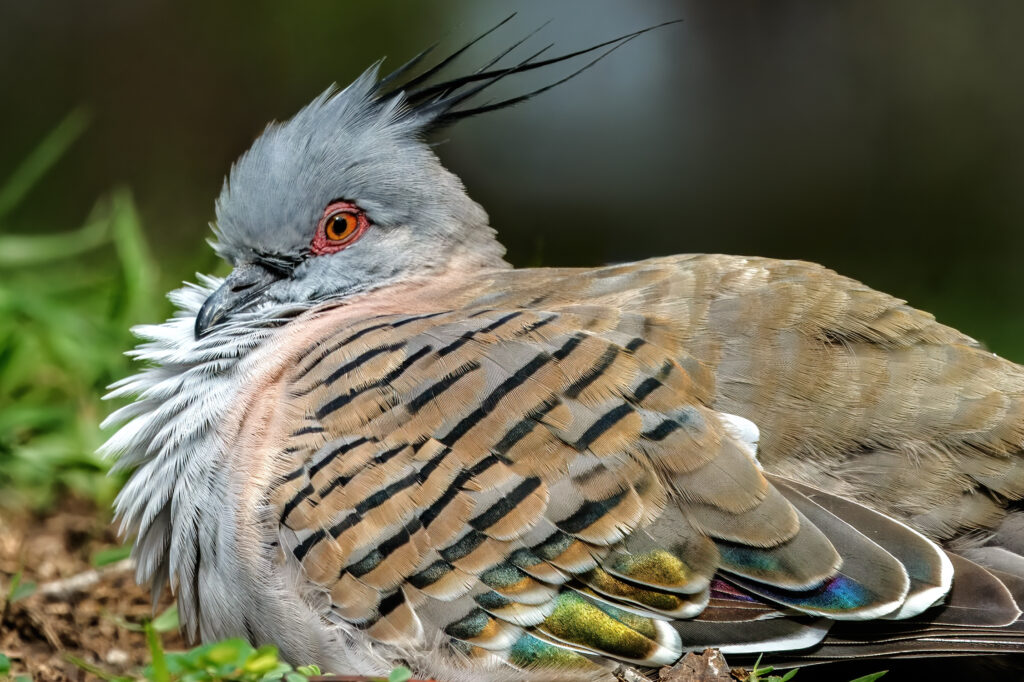
This Crested Pigeon was resting peacefully in one of my local parks. Recent rain had soaked the background in vibrant greens and saturated colours, giving the image a lush, painterly feel. The bird was relaxed and comfortable with my presence—it almost felt like I was part of the family for the day.
Striated Heron – Focused and Fierce
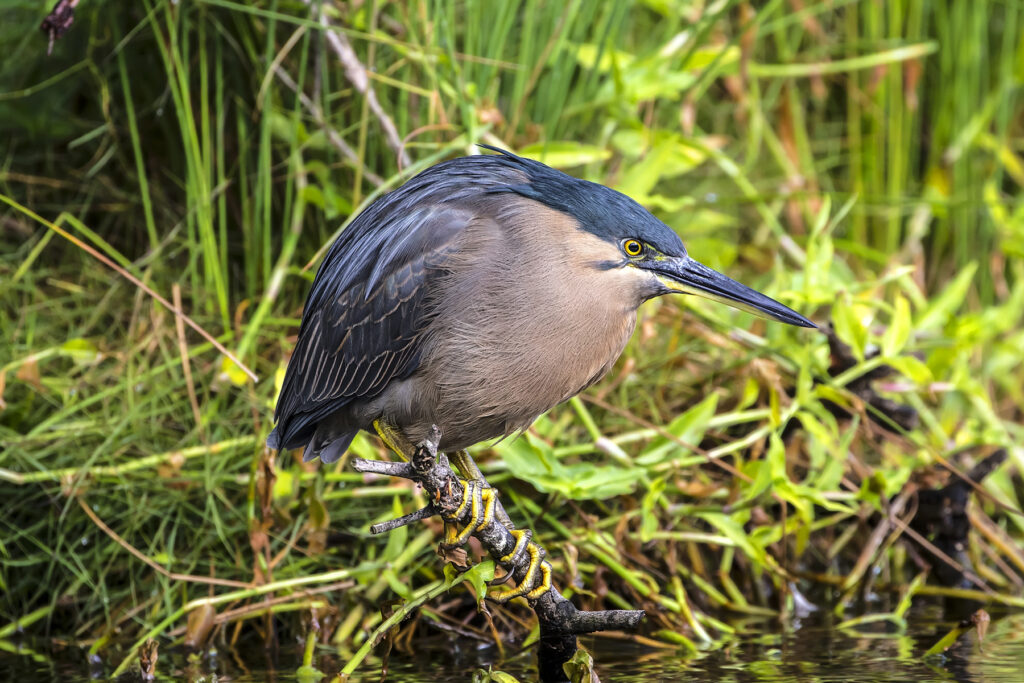
This final image is of a Striated Heron, totally focused on tracking fish from its perch. Its claws are tightly wrapped, muscles tense, and the messy background adds a sense of mystery and intensity to the scene. It was even chosen as Photo of the Day on eBird—a nice honour for a moment that I remember vividly.
The Hard Lesson
I was planning to include more photos in this post, but as I was going through my hard drive… it decided to pack it in. I’m still hopeful that the images aren’t lost and can be recovered, but if there’s one takeaway—it’s the importance of backing up your photos. A lesson learned the hard way.
I’d love to hear which photo or story resonated with you the most. Let me know in the comments below—and thank you for taking the time to revisit 2019 with me.
Small in size but big in personality, the Zebra Finch (Taeniopygia guttata) is one of Australia’s most iconic and well-studied birds. Native to the arid and semi-arid regions of the mainland, these lively little finches are instantly recognisable by their striking black-and-white striped throats, orange cheeks (in males), and cheerful chirping calls. Despite their delicate appearance, Zebra Finches are remarkably resilient, thriving in some of the harshest environments on the continent. They’re also famous in the scientific world for their role in research on vocal learning — much like humans, young male Zebra Finches learn to sing by mimicking older males, making them a fascinating subject in both the wild and the lab. Whether flitting through the spinifex or perched on a fence wire, they’re a charming sight and a delight to photograph.
Behaviour Insights
Zebra Finches are social, active birds that live in flocks and rarely stray far from one another. Their social structure and constant communication make them an engaging subject for photographers who enjoy capturing interaction and movement. You’ll often spot them foraging on the ground in small groups, hopping about in search of seeds — their primary diet in the wild.
One of the most fascinating behaviours to observe is their complex courtship rituals. Males puff out their chests, bob up and down, and sing intricate songs to impress potential mates. These displays often include fluttering dances and offering bits of nesting material. Once paired, Zebra Finches form strong monogamous bonds and are known for their cooperative nesting efforts. Both parents share incubation duties and take turns feeding their chicks — a lovely dynamic to photograph if you’re lucky enough to find an active nest.
Another notable trait is their adaptability. Zebra Finches have a remarkable tolerance for heat and can survive extended dry periods, making them a symbol of resilience in the Australian outback. Their ability to breed opportunistically — often within days of rainfall — allows them to take advantage of brief resource-rich windows, even in seemingly barren landscapes.
Habitat and Range
In the wild, Zebra Finches are widespread across mainland Australia, particularly in inland and semi-arid zones. They prefer open grasslands, scrublands, and savannahs, often near water sources, but are just as likely to be found in agricultural areas, roadside verges, and even urban fringes. Their adaptability to different environments makes them one of the most successful native bird species on the continent.
While they aren’t typically found in the dense coastal forests or tropical far north, they thrive in dry habitats where spinifex grass, acacias, and scattered eucalyptus trees provide food and shelter. Nests are usually built in shrubs, low trees, or even man-made structures such as fence posts and sheds. Their use of artificial habitats has contributed to their range expanding in some regions.
For photographers, early morning and late afternoon are ideal times to spot Zebra Finches when they’re most active and lighting is soft. Look for them around waterholes or perched on low branches, chirping energetically. Their fast, erratic flight and quick movements on the ground can be challenging to capture, but with patience and a good telephoto lens, they make for delightful photographic subjects.
When Finches Allow a Closer Look
Photographing Zebra Finches is never as simple as just pointing the lens and clicking away. These tiny, energetic birds are constantly on the move, and while one might boldly perch in full view, the rest of the flock will be watching — always alert. The moment I get a little too close, they vanish into the nearest bush in a flash of wings and soft chatter. I’ve learnt over time that the best chance of approaching them is when they’re comfortable — either eating, preening, or singing. These are moments when they’re content, their happiness briefly outweighing the minor disturbance of a curious photographer edging closer. On the day I captured these shots, I found them early in the morning, gathered noisily near a waterhole, rehydrating after a hot desert night. It was an absolute joy to watch them arrive in flocks, jostling for position, fluttering about and pausing in beautiful poses. Their individual personalities shone through in the little dramas and quiet interactions between them. Below is a collection of my best images from that magical morning — a window into the fast-paced yet intricate world of the Zebra Finch.
Trail camera photography has become an indispensable tool for wildlife enthusiasts, conservationists, and researchers alike. These motion-triggered photo traps allow us to observe animals in their natural habitats without disturbing them. Interestingly, trail cameras have revolutionised wildlife monitoring by capturing nocturnal and elusive species that are otherwise very difficult to see.
Over the years, I’ve met many people passionate about wildlife — some fellow photographers, others scientists focused on studying specific species. For research purposes, motion-triggered photo traps have proven invaluable for collecting data on animal behaviour, population sizes, and movement patterns. Inspired by these stories, I decided to invest in my first trail camera.
I chose the Reconyx, widely regarded as one of the best models on the market. Given that much of my work takes me to remote, often restricted areas, the Reconyx’s durability and battery longevity made it ideal for extended deployments. While working on Groote Eylandt, I had the incredible opportunity to photograph endangered Spotted Northern Quolls, bandicoots, and Rock Wallabies.
The following image shows a Rock Wallaby caught mid-smile, happily nibbling on a dried apricot I left as bait. It’s a rare glimpse of personality in a usually shy creature.
Interesting fact: Rock Wallabies have specialised padded feet that help them grip steep, rocky terrain, allowing them to evade predators with remarkable agility.
Spotted Northern Quoll
This little endangered carnivorous marsupial might look like a tiny spotted stealth master, darting through the night with fierce determination. Despite their serious hunting skills, northern quolls have a tragic weakness: their curiosity. When introduced cane toads made their way into northern Australia, the quolls — not knowing any better — began to eat them. Sadly, the toads’ toxic skin is lethal, and the quoll populations plummeted.
But there’s a silver lining: Groote Eylandt remains one of the last safe havens for this species, thanks to its isolation and absence of cane toads. Here, the quolls are thriving — and I was lucky enough to photograph one.
Funny fact: These feisty little hunters are known to take on prey almost as big as themselves — proof that they’ve got way more confidence than body mass.
Bandicoot
The bandicoot looks like it’s constantly on a treasure hunt, nose twitching as it sniffs out bugs and roots. These little diggers can burrow surprisingly fast, almost like furry little lawnmowers on a mission. If you catch one mid-hop, you might think it’s auditioning for a marsupial talent show!
Funny fact: Bandicoots poop in neat little piles, which makes it easier to spot their favourite hangouts—basically their version of putting up a “Keep Out” sign.
Next, you’ll see images of animals posing against ancient Indigenous rock paintings—a stunning reminder of the deep connection between wildlife and Aboriginal culture in this region.
While the Reconyx delivers consistently reliable images, it does have its limitations. It lacks autofocus, meaning anything not exactly at the preset focus distance can appear blurry. The standard model only uses white LEDs for flash, which can startle animals at night; the infrared option is sold separately. Also, it requires twelve AA batteries, which can be a hassle to recharge in the field. The camera’s resolution is limited to 2 megapixels, which, while sufficient for many uses, can be less detailed than newer models.
To address these downsides, I later purchased a more affordable camera with infrared night vision (invisible to most animals), higher image resolution, solar rechargeable batteries, and built-in Wi-Fi for seamless photo transfers.
Using both cameras in the harsh Tanami Desert, I managed to capture a diverse array of wildlife. The images include mulgaras, spinifex hopping mice, desert goannas, rabbits, dingoes, and feral cats to name a few.
Mulgara
The mulgara is a small, carnivorous marsupial that looks like it’s straight out of a desert adventure story. With its big eyes and twitchy nose, it’s always on high alert, darting around the spinifex like a tiny desert ninja (oops, I mean desert warrior!). Despite its size, it’s a fierce little hunter, perfectly adapted to survive the harsh desert nights.
Funny fact: Mulgaras store fat in their tails — kind of like a furry, marsupial version of a kangaroo’s pouch, except you don’t want to sit on it!
Spinifex Hopping Mouse
Tiny but mighty, the spinifex hopping mouse is a desert acrobat with giant feet made for serious boogie-boarding across the sand dunes. It’s basically the kangaroo rat’s cousin who’s always ready for a dance-off. And get this — they stash food in their cheek pouches like little furry hoarders prepping for a desert party.
Funny fact: These mice don’t drink water; they get all their moisture from their food—talk about self-sufficiency. Hydration, but make it desert chic!
Discovering Life Around a Burrow
Once, I stumbled across a well-worn burrow entrance. Curious to see who might be using it, I set up one of my trail cameras nearby. The results didn’t disappoint — during the day, a large goanna was captured sliding into the hole with all the confidence of a regular resident. Then, come nightfall, the area turned into a bit of a meeting point, with a surprising mix of animals passing through or stopping by. It’s always fascinating to see how much activity goes unnoticed right under our noses.
Funny fact: Goannas can actually run on their hind legs for short bursts—basically the reptile version of a sprinting superhero.
Dingo
Australia’s wild dog, the dingo, has earned its reputation as a clever and cunning hunter. Dingoes often look like they’re plotting world domination—those intense eyes and sly grins can be a bit intimidating. But don’t be fooled, they’re also known for their playful howls and cheeky antics around the campfire.
Funny fact: Dingoes are famous for “roositting” — they’ll sometimes hang around kangaroos, like uninvited guests at a roo party, keeping an eye on things.
Feral Cat
Feral cats are the ultimate stealth operators of the bush, moving silently and striking with lightning speed. They might look cute and cuddly, but these guys take their hunting seriously—although sometimes you’ll catch them trying to act all innocent after a less-than-graceful pounce.
Funny fact: Feral cats can make over 100 different sounds—basically, they’re the drama queens of the outback, always ready to deliver a meow-worthy performance.
Each photograph tells a unique story about the resilience and beauty of Australian wildlife, captured through the lens of technology that helps us better understand and protect these incredible creatures.
Birds on the Rock – A Reward for Patience
One of the best things about setting trail cameras is the anticipation of what you might capture. This time, I placed one overlooking a weathered rock ledge that stood out for one tell-tale reason — thick whitewash, the universal sign that birds had made it their own. Sure enough, the camera picked up a variety of feathered visitors, offering some cracking moments.
Looking Beyond the Usual Suspects
While birds are always a pleasure to photograph, the choice of location can sometimes bring unexpected visitors into frame. Pigeons, doves, and even wild cattle have occasionally wandered through — a good reminder that trail cameras often capture more than you set out for.
Whether it’s the truly wild or the everyday passing by, trail cameras have a knack for revealing those fleeting moments you’d otherwise miss. I’ll keep experimenting, and I’d love to hear what you’ve had success with — be it your camera gear, placement tips, or surprising animal appearances.
Unfortunately, my second camera has a habit of blowing out the highlights — a frustrating flaw. It does raise the question: What trail cameras are you using? I’d love to hear from others in the field — which models are you relying on, and how do they perform when it comes to dynamic range and colour accuracy? Let me know in the comments — I’m especially keen to find one that handles highlights in a better way.