Tag: Wildlife

  • From Chase to Connection: How Local Birds Redefined My Photography

    From Chase to Connection: How Local Birds Redefined My Photography

    When I first picked up a camera and started photographing wildlife—especially birds—I was obsessed with one thing: getting closer.

    It was all about filling the frame. I wanted to see every feather, every glint in the eye, every tiny detail that usually goes unnoticed. At first, it felt like a technical challenge—how close could I get without disturbing the bird? Could I use the longest lens possible, or outsmart the subject with patience, camouflage, or clever positioning? There was an undeniable thrill in it.

    Eventually, I started taking tight bird portraits—crisp, detailed shots where the subject dominated the frame. These moments felt like small victories. I remember the first time I captured a full-frame shot of a bird with perfect sharpness and catchlight in the eye. I was proud, even a little bit smug. I had gotten the shot.

    But over time, my priorities started to shift.

    Understanding the Language of Light

    Once I had some of these portraits under my belt, I began to notice something missing. The photos were technically solid, but sometimes they felt flat—lacking mood or atmosphere. That’s when I began to pay more attention to light, background, and composition beyond the subject.

    I realised that even the best lens couldn’t fix harsh midday light or a cluttered background. Some locations only worked in the soft hues of morning; others came alive in the golden glow of late afternoon. The angle of the light, the direction of the wind, and even the colour of the water or sky behind the bird—all of it mattered. I began scouting locations based on how the light interacted with the environment, not just where birds were most abundant.

    This shift was subtle at first, but profound. I stopped chasing just birds, and started chasing conditions. My photography became more intentional.

    The Role of Patience: More Than Just Focal Length

    As I became more experienced, I also discovered something about how we approach proximity in wildlife photography. Sure, you can get a 600mm lens, maybe even add a 1.4x or 2x converter, and get those tight portraits from a distance. And that certainly works—it’s how many professionals operate.

    But I also found another way: using a shorter lens, like a 400mm, and relying on patience instead of reach.

    When I began approaching birds slowly, respectfully, and without pressure—waiting for them to come to me or relax in my presence—it started to feel like something more. It wasn’t just about taking a photo anymore; it was about building trust. In those moments, I wasn’t just an observer—I felt like I was becoming part of their world, part of their family.

    This kind of closeness, built through time and presence rather than gear, made the final image feel more honest, more intimate. Once you master that skill, it expands naturally beyond birds—into mammals, reptiles, even insects. It’s a way of seeing, not just a way of shooting.

    The Search for the Rare—and the Lessons of Disappointment

    After photographing many of the local and familiar birds, my curiosity turned toward the more elusive species. I started planning trips, seeking out remote or specific habitats, tracking down birds I’d never seen before.

    But often, these long efforts didn’t result in great photographs. The birds didn’t show up. Or if they did, the lighting was poor, the background distracting, or the moment just didn’t materialise. I returned from many of these trips without a single keeper shot.

    It was disheartening. I began to ask myself: Why travel so far just to come back with nothing? That’s when I began to reconsider what I was really looking for with my camera.

    Rediscovering the Familiar

    After a few too many empty-handed journeys, I shifted focus again—this time back to the birds close to home. I decided to return to the local wetlands and bushland with a new perspective and greater intentionality.

    That’s when I started photographing ducks.

    Ducks are everywhere. I used to overlook them, assuming I’d already “gotten” those shots. But I hadn’t. Not really. One morning, I found myself watching a hardhead duck bathed in perfect light. I crouched down, framed it tightly, and clicked. That photo remains one of my favourites to this day.

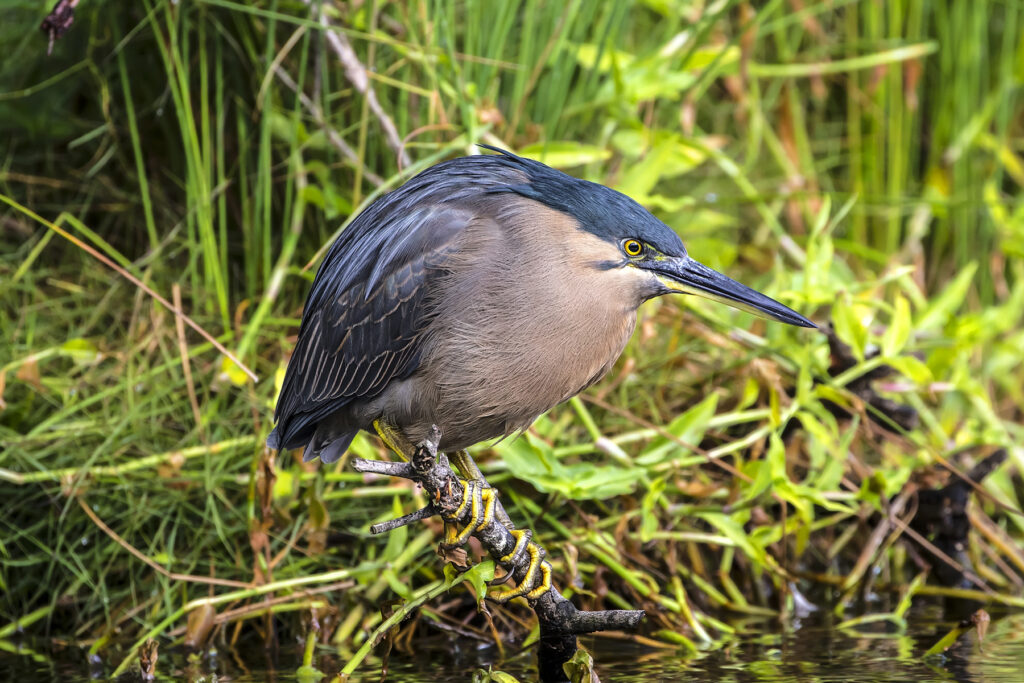
    What started as an experiment quickly became a personal project. I began collecting duck portraits—each one crafted carefully, with attention to detail and emotion. Over time, I expanded this approach to other birds I’d previously overlooked: grebes, herons, moorhens, cormorants. I wasn’t just taking pictures anymore. I was telling quiet stories.

    Looking Ahead: Embracing the Environment

    Later in my photography journey, I began to move beyond just the bird itself. I started enjoying wider angles—photographing not only the subject but the environment it lives in. These images feel more narrative, more immersive. You don’t have to be extremely close to the bird, but the environment becomes more demanding. Light, habitat, background—all need to work in harmony.

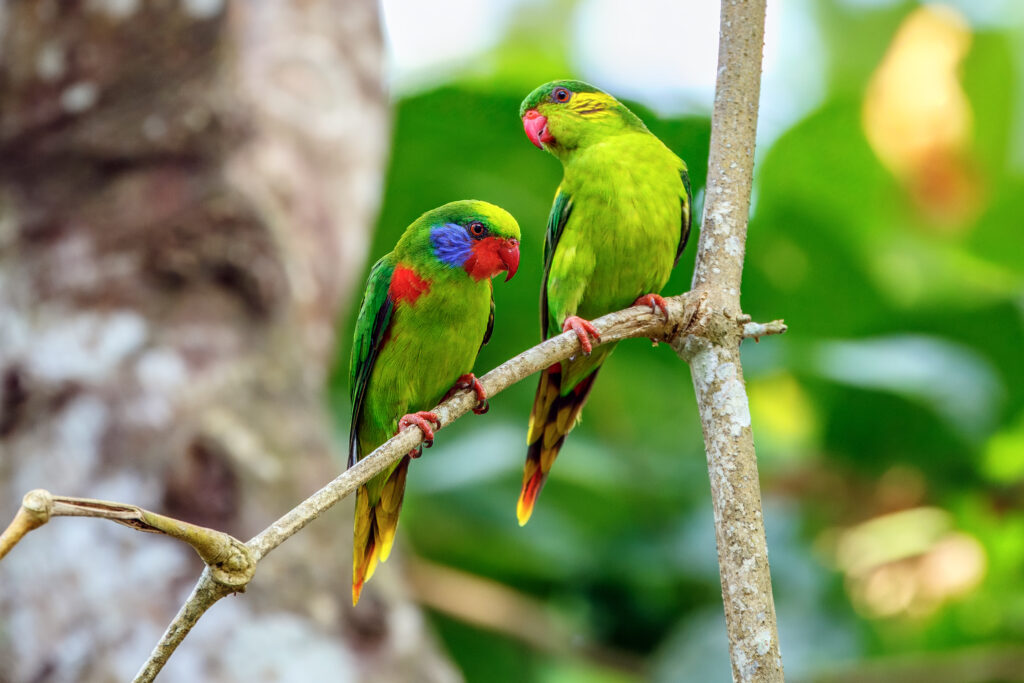
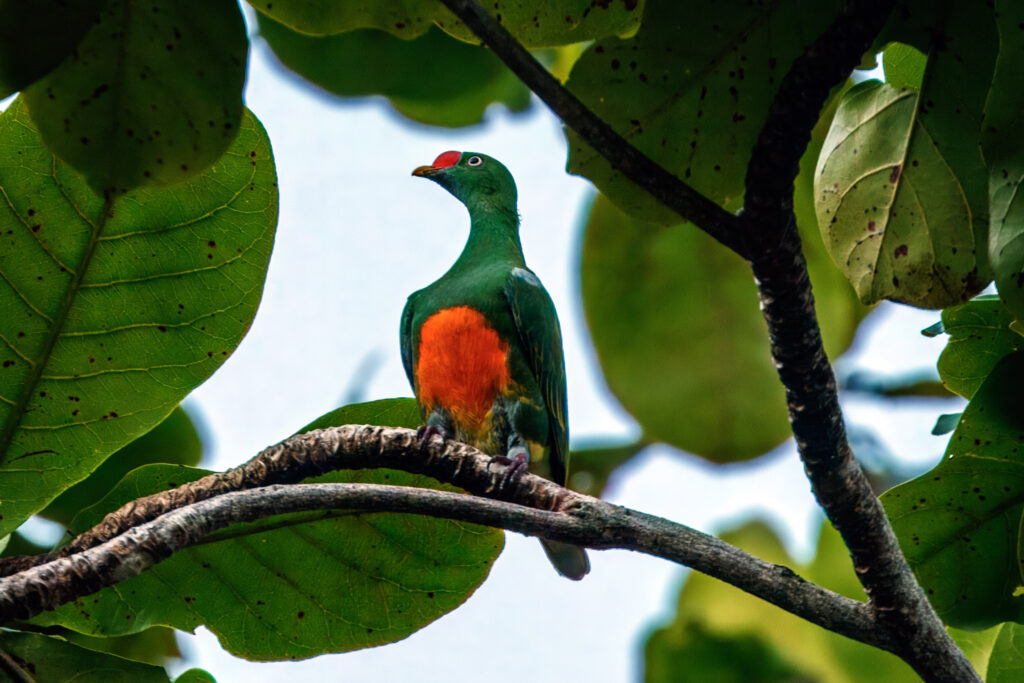
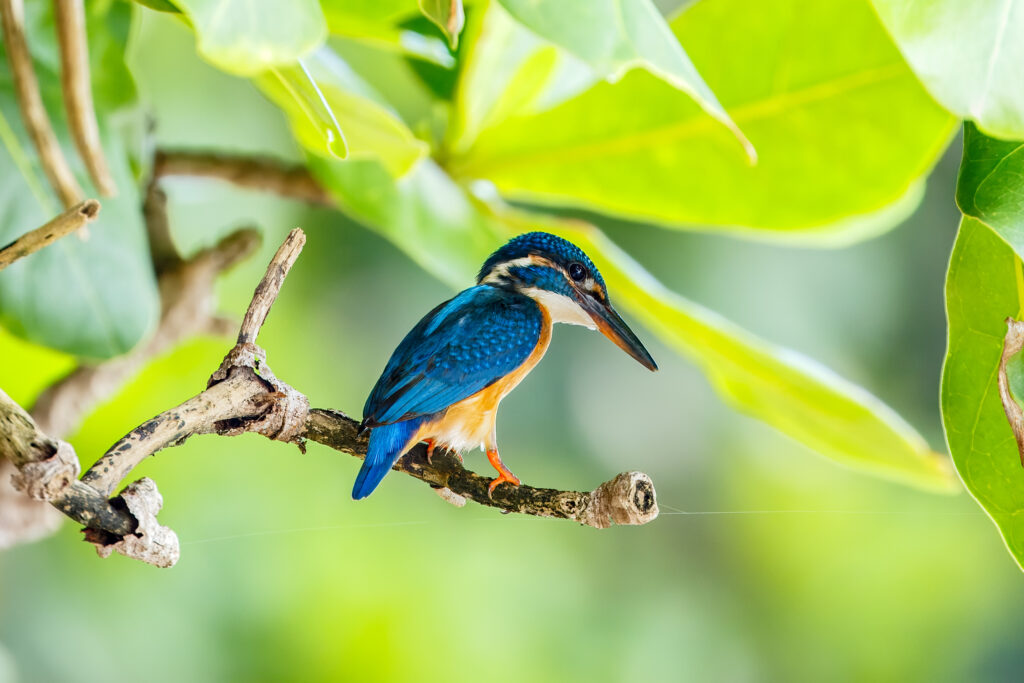
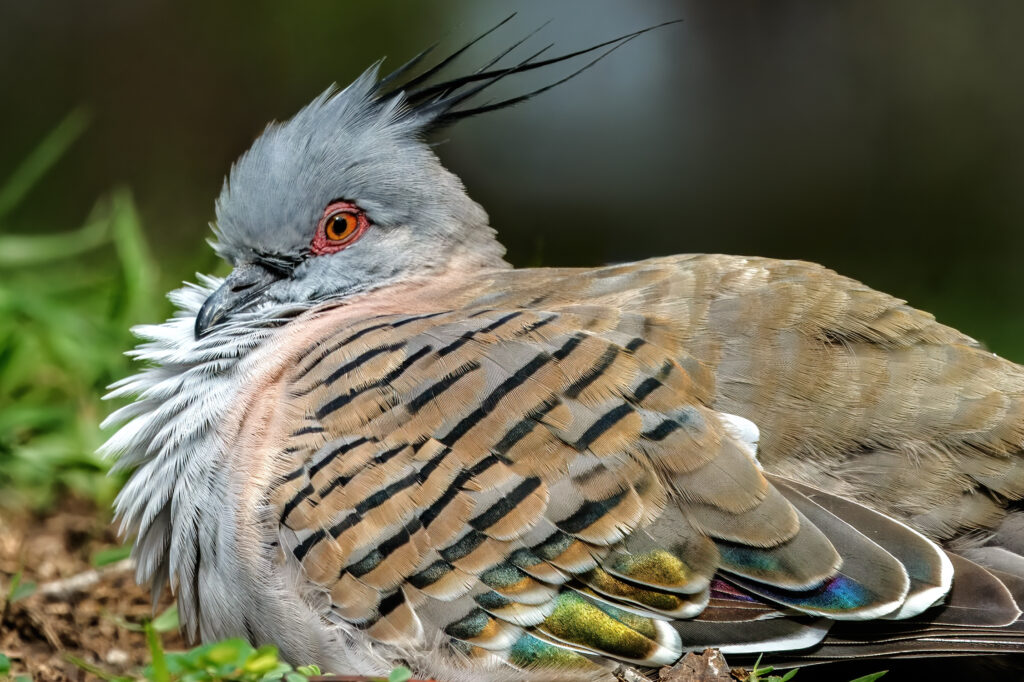
    That’s a topic I’ll dive into more in the future posts. But for now, let’s enjoy these portraits of everyday birds—captured with patience, respect, and a deep appreciation for the wildlife that shares our local spaces.

  • Chasing the Light: A Story of the Shining Flycatcher

    Chasing the Light: A Story of the Shining Flycatcher

    Among Australia’s most captivating birds, the Shining Flycatcher (Myiagra alecto) lives up to its name in every way—especially the male, whose deep, metallic-blue plumage can appear almost liquid in the right light. This iridescence, however, is a blessing and a curse for photographers. The brilliant sheen reflects so much light that exposing for the shiny parts throws the rest into shadow, while exposing for the darker areas causes the highlights to blow out completely. Capturing them well is not just a matter of luck—it’s a true test of timing, patience, and lighting conditions.

    Fascinating Facts About the Shining Flycatcher
    📸 1. Iridescent Males
    Only the male Shining Flycatcher sports the dazzling, metallic blue-black plumage. This glossy sheen is not a pigment, but a result of structural colouration—microscopic structures in the feathers reflect light in a way that creates that shimmering effect.

    🧡 2. Subtle Females
    In contrast, the female is chestnut brown with a white underside, a classic example of sexual dimorphism. Her more muted colours help her stay hidden while nesting.

    🌿 3. Mangrove Specialist
    They are most often found in mangroves, wetlands, and tropical woodlands across northern Australia, New Guinea, and parts of Southeast Asia. Their preference for dense, tangled vegetation can make them very difficult to spot.

    🎶 4. Not-so-Vocal
    Unlike many flycatchers, the Shining Flycatcher has a soft, whistling call and isn’t particularly vocal, especially during nesting. This can make them hard to locate if you’re relying on sound alone.

    🐛 5. Insect Hunters
    They are insectivores, catching insects mid-air or picking them off leaves. They use quick, darting flights to grab prey and often return to the same perch.

    🪺 6. Tiny Nests, Big Effort
    Their cup-shaped nests are built with spider webs and plant fibers, placed on branches over water. The location provides both camouflage and protection from ground predators.

    My first encounter with this species was in the mangroves near Cairns on an overcast day—a stroke of luck, as the soft light let me capture the full range of plumage detail without harsh shadows or overblown highlights. Unfortunately, my next sightings, on Groote Eylandt, were less fruitful. Between the tangled environment and strong tropical sun, it was nearly impossible to get a clean, well-exposed frame.

    Then came the moment I’ll never forget.

    It was storm season, and a low-pressure system was sweeping across the heart of Groote Eylandt when I came across a Shining Flycatcher nest delicately balanced on a branch above a narrow creek. At first, the weather seemed far from ideal for photography—but I soon realized I was positioned right in the eye of the system, where the winds drop to almost zero. The result? Calm, quiet conditions with soft, overcast skies and a gentle drizzle—creating the kind of evenly diffused light wildlife photographers dream of. I spent the next five days quietly observing the nest and the flycatcher family as they carried out their daily routine.

    To avoid disturbing such a sensitive stage in the birds’ life cycle, I positioned myself at a respectful distance, concealed behind a cluster of trees. From there, I gradually managed to capture intimate portraits of both the male and female Shining Flycatchers.

    Female shining flycatcher

    Myiagra alecto

    Male shining flycatcher

    Myiagra alecto

    Without a tripod, I had to handhold my camera, bracing myself against a tree trunk for support. The adult birds returned to the nest to feed the chick roughly once every 15 minutes—a rhythm dictated by the time it took them to hunt down and catch suitable insects in the dense surrounding habitat. That meant when birds came to feed the chick I had, at best, just a few seconds to get the shot—if I missed it, I’d have to wait another full quarter hour for the next chance. After 45 minutes of holding the camera ready—often without taking more than one or two frames—fatigue started to set in. My arms were aching, and opportunities were slipping by simply because I was knackered after holding the camera that long.

    One afternoon, the female flew in to feed the chick and struck a pose I could never have anticipated. She spread her wings and opened her beak—completely silent, as though in mid-song—and for a split second, the underside of her wings and the vivid red of her open mouth were perfectly framed and lit. My position was just right. Everything—the tail, the wing, the beak, and the chick—fell into the same focal plane. I didn’t even have to think. I just pressed the shutter.

    By the next day, the chick had grown finer feathers, now with a soft brown tone. I watched the male stand over the nest in the rain, shielding the chick with his body. In this image, you can see that the chick has already developed some fine brown feathers.

    Then came the turning point. When I arrived, I saw not one, but two female-coloured birds on the nest. It took me a moment to realise—the chick had moulted into its juvenile plumage, identical to the adult female’s. (Young males and females look the same until the male eventually transforms into the striking metallic black-and-blue adult.)

    Soon after, I watched the chick flap its wings and climb out of the nest. It perched on the same branch and beat its wings—its very first flight attempt! Minutes later, I saw it launch itself into the air, wobbling to a tree nearby. Both parents were close, offering food and encouragement, alternating feeding and letting the chick rest between movements. I stood there in awe, witnessing not just the growth, but the moment life literally took off.

    What caught my attention was that it had no tail at all. Until now, I’d always assumed that tailless birds I’d seen had somehow lost their feathers, but this encounter taught me something new. It turns out that fledglings often leave the nest before their tails have fully developed, and they grow in just a few days after fledging. Witnessing this rare stage of life was a reminder of how much there is still to learn, even after years in the field.

    That evening, as dusk settled in, I left quietly and never saw the family again. But that’s exactly as it should be—a sign of success. A life begun. A story completed. And for me, a rare and personal insight into the wild world I feel so privileged to document. These photos, now among the most treasured in my collection, serve as a lasting memory of a journey I was lucky to be part of—and will never forget.

  • Crossing the Line: My First Year Competing in International Wildlife Photography Contests 🏆

    Crossing the Line: My First Year Competing in International Wildlife Photography Contests 🏆

    Until 2024, I believed I was “just an amateur” — someone who took photos for the love of wildlife but never quite dared to think they were on par with the images that win international photography contests. I used to draw a mental line between “my photos” and “their photos” — the ones you see on magazine covers or award sites. This year, that line blurred. Or rather, it disappeared.

    The Leap Into the Competitive World

    This was the first year I submitted my work to international photo contests. It meant stepping far outside my comfort zone. Each contest came with its own set of submission rules — whether it was about the maximum age of the photo, allowed editing levels, or color accuracy. Learning these details felt like navigating a new language.

    One of the trickiest gray areas I encountered was understanding the limits of editing, particularly the acceptable degree of object removal. What counts as a “minor” object? A distracting branch? A blade of grass across the subject’s eye? Every contest seems to have its own interpretation. That’s part of the learning curve I’m still riding.

    A Shift in Mindset

    I owe a huge thank you to Sergey Puponin. He was the one who first looked at my work and said, “You belong there.” Without his encouragement, I might never have taken that first step. But I did — and I realized something powerful. I’m not just submitting to the world’s top photography contests. I am part of them now.

    This shift in mindset is deeply validating. It takes time to fully accept that your creative ideas are not only enough but can be embraced by international judges, respected peers, and upcoming photographers who might one day look to my work as a benchmark.

    Highlights from My First Year of Contests

    Here’s a quick look at how my first year in the contest scene unfolded:

    🐦 35AWARDS Theme Contest: Wildlife – Birds

    This was the very first contest I entered. Out of 4,269 photographers from 114 countries, I placed 12th. It was an incredible feeling — not just being among the top results, but knowing I was judged alongside such a diverse and talented global crowd. To view the best photos, visit the following link.


    🦋 35AWARDS Theme Contest: Winged Insects

    This time, I reached the Top 1% of 3,941 participants with a total of 14,815 submissions. My photos didn’t get lost in the crowd — they stood out, and that meant everything to me. To view the best photos, visit the following link.


    🌿 Nature Photography Contest 2024

    Here, my photo passed the preselection phase — an important step that filters out AI-generated images, overly edited work, and other non-compliant entries. Only winners are published, so I don’t know my final standing, but making it through preselection in a high-caliber contest is an accomplishment I’m proud of.


    🐦 Birdlife Australia Photography Awards 2024

    A photo series I submitted here was previously featured in my blog >>link<<. As a testament to the unique narrative captured in these moments, I submitted this series of images to Birdlife Australia for their annual wildlife photography competition. The sequence of the Osprey and the Silver Gull, with its mix of humor, elegance, and raw survival instincts, seemed to resonate with the judges. I was thrilled to learn that the series had made it to the final round of judging. While it ultimately didn’t win, the recognition itself was a rewarding acknowledgment of the story the images told. Below is a screen copy of the email I received from Birdlife Australia:

    I reached the final round of judging — again, an impressive milestone given the competition.

    David Stowe won in the portfolio category, but the feedback I got was humbling and reinforced my passion for wildlife photography. Sometimes, the joy isn’t just in winning, but in sharing a story that resonates with others — and in this case, even the journey to the final round was a victory in its own right. That said, next time, I’ll be back to claim my prize!


    🦜 Bird Photographer of the Year (BPOTY) 2025

    This is perhaps the most prestigious bird photography contest in the world. It takes six months to review entries. While I won’t know my ranking until November 2025, I was thrilled to receive a request for the RAW file of one of my submissions — a promising sign that it stood out.


    🌍 10th 35AWARDS International Photography Award

    This was the highlight of my year. Out of 112,771 photographers who submitted nearly 473,000 photos, I was selected among the Top 50 Wildlife Photographers of the Year.

    That number still blows my mind. To be ranked so highly among thousands of breathtaking images is a surreal, deeply affirming experience. It tells me that every moment spent in nature, every early morning, and every patient hour waiting for a perfect shot — it all matters. It all adds up. To view the best photos, visit the following link.

    Looking Forward

    Next year, I’ll continue submitting, learning, and pushing myself to grow. Wildlife photography is an endless pursuit — a mix of gear, technique, patience, and the unpredictable magic of being at the right place at the right time.

    To anyone out there wondering whether their work is “good enough” — let this be a nudge. Take the step. Submit. Learn. Improve. Someone out there might be waiting to see your perspective on the world.

    And who knows? Maybe soon you’ll be among them — or rather, us.

  • Patience and the Pacific Heron 🪿

    Patience and the Pacific Heron 🪿

    This morning at the pond, I had a quiet encounter that reminded me once again why photography is as much about patience as it is about timing.

    What followed was a mesmerizing display of precision and instinct. The heron began to pluck tadpoles from the water one by one, each movement quick and deliberate. It feasted in silence, the early light glinting off the surface as ripples spread from each gentle strike. Watching from just a few meters away, I felt like a silent guest at nature’s breakfast table.

    Moments like these can’t be rushed—and they can’t be forced. Sometimes, all it takes is stillness and a little bit of trust.