Tag: Photography

  • The Bird I Kept Walking Past: Photographing Tawny Frogmouths in Plain Sight

    The Bird I Kept Walking Past: Photographing Tawny Frogmouths in Plain Sight

    Masters of Disguise: Meet the Tawny Frogmouth

    Australian tawny frogmouths are masters of disguise, often mistaken for broken tree branches as they sit motionless during the day. Despite their owl-like appearance, they’re more closely related to nightjars, and unlike owls they lack strong talons for catching prey. These nocturnal birds rely on stealth and patience, swooping down from low perches to snatch insects, small reptiles and even mice. Tawny frogmouths are famously devoted parents, with pairs often staying together for life and sharing nesting duties, sometimes even returning to the same nest year after year.

    Funny Facts About Tawny Frogmouths

    • Their camouflage is so good that people often walk past them for years without realising a bird lives in their backyard.
    • Despite looking like owls, they’re basically owl imposters and aren’t even closely related.
    • When threatened, they freeze with their head pointed straight up, committing fully to the “I am a stick” performance.
    • Baby tawny frogmouths start out fluffy and wide-eyed, then slowly grow into their grumpy old-man expressions.
    • They don’t build fancy nests — more like a casual pile of sticks that somehow works every year.
    • Their resting face permanently looks unimpressed, as if everything mildly annoys them.
    • If disturbed, they sometimes open their mouths wide to show off a bright interior as a dramatic scare tactic.
    • They’re nocturnal hunters but spend daylight hours napping in plain sight like they pay no rent.
    • Tawny frogmouth couples often stay together for life, making them one of Australia’s most romantically committed birds — even if they look like they argue silently all day.
    • Tawny frogmouths yawn so dramatically that it looks like they’re trying to swallow the whole forest 🌳

    Camouflage So Good It’s Rude

    At dusk, their camouflage gives way to character. As the light fades, tawny frogmouths become alert and expressive, using a range of low grunts, soft hoots and sharp warning calls to communicate. They’re found across most of Australia, from open forests and woodlands to suburban parks and backyards, making them one of the few native birds many people unknowingly live alongside. Their tolerance of human-modified landscapes has helped them persist, though habitat loss and vehicle strikes remain ongoing threats.

    A Night-Time Rescue

    One night while driving, I noticed a tawny frogmouth sitting right in the middle of the lane. I slowed right down and edged closer, expecting it to move — but it didn’t. I got out of the car and waved my hands in front of it. Still nothing. True to form, it was relying entirely on its camouflage and refusal to budge. In the end, I had to gently pick it up and carry it off the road, away from danger. My good deed for the day — sorry, night.

    grumpy little bird 😠

    Learning to See What Isn’t Supposed to Be Seen

    When I was first learning how to find tawny frogmouths during the daytime, I was told not to look for the bird itself, but for the tail. The rest of the bird can be almost impossible to see as it pretends to be a broken branch, while the tail often sticks out below at an angle completely opposite to what the branch should be. I’ve worked with these birds on multiple occasions, as they’re very widespread and generally easy to approach, but surprisingly hard to catch doing anything at all. I find them almost every time I’m out looking for owls — owls are rare, while frogmouths can be found in just about every park and observed daily. I even have a pair roosting and nesting in a local park just 100 metres from where I live.

    Photographing Stillness, Silence and Patience

    For wildlife photographers, tawny frogmouths offer a rewarding challenge. Their stillness allows for careful composition, but their cryptic plumage demands close attention to light, texture and background. They fly completely silently, and if one turns its head away, you may never spot it again. Early morning and late afternoon light can reveal subtle feather details, especially when side lighting brings out the bark-like patterns that make them such extraordinary subjects. Capturing a frogmouth mid-yawn, wing stretch or feeding run can turn a quiet perch into a powerful storytelling image — one that celebrates both their mystery and their place in Australia’s natural landscape. After seeing one yawn up close, I’ve set myself the long-term goal of photographing the full interior of that massive mouth front-on. We’ll see how long it takes to get that shot.

  • My Best Photos From 2020

    My Best Photos From 2020

    A Year of Patience and Precision

    I had been holding off on posting my best photos for a while. The reason? It takes considerable time and effort to capture images that are truly contest-worthy, and I’ve always felt that if I posted everything in one go, I’d soon run out of material. However, these are the photos I hold closest to my heart, and I simply couldn’t wait any longer to share them. After all, the joy of photography lies in sharing these moments with others, allowing them to experience the visual beauty I see.

    The Elegant Cattle Egret: A Breeding Season Portrait

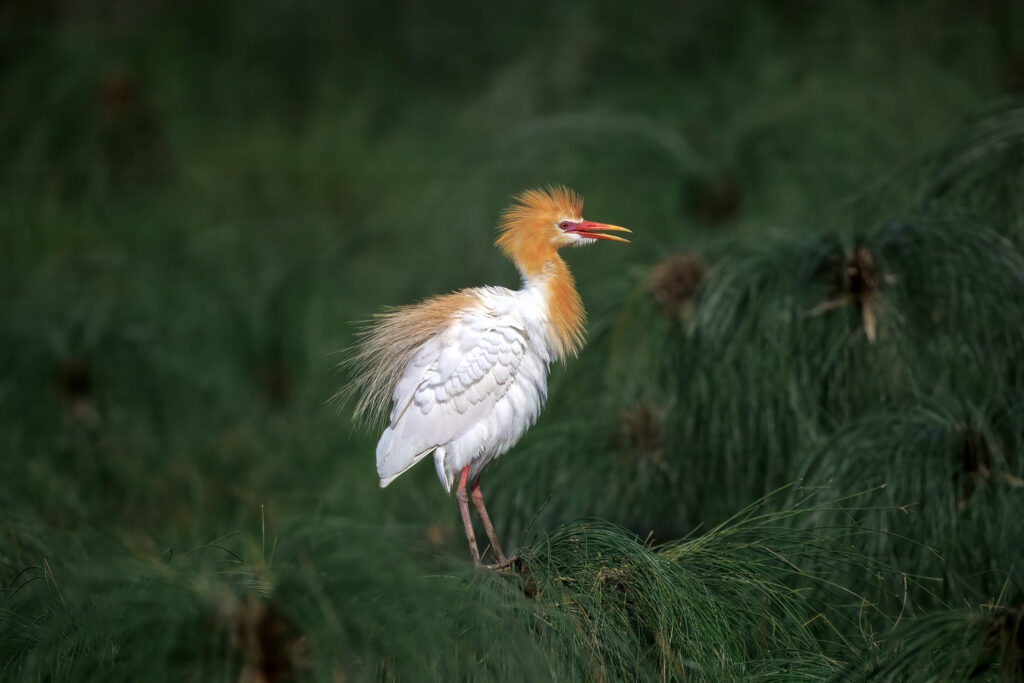
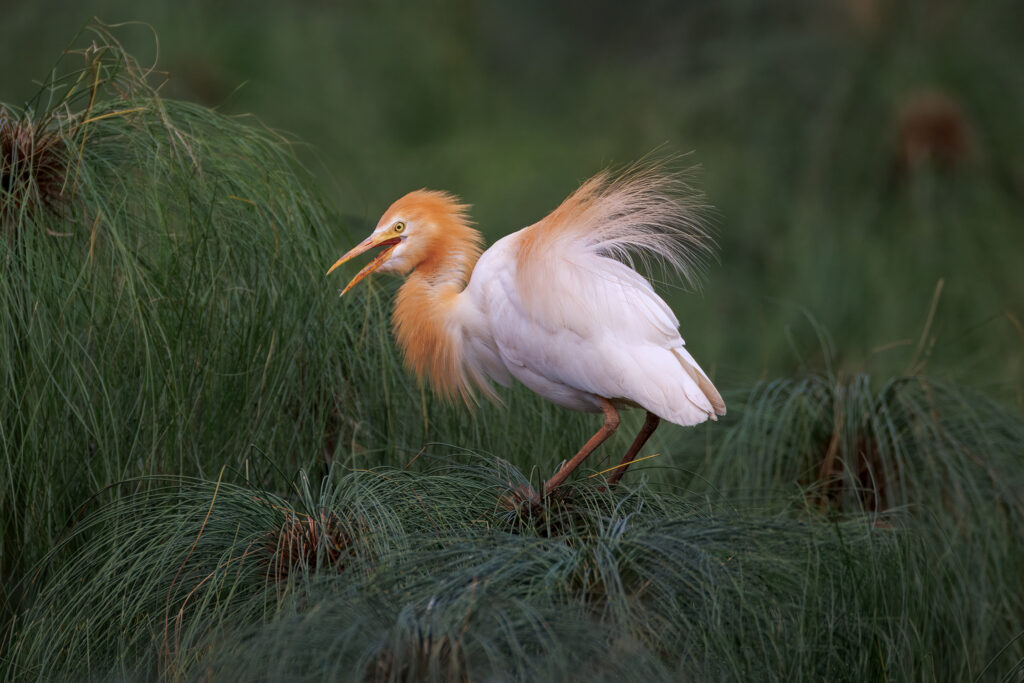
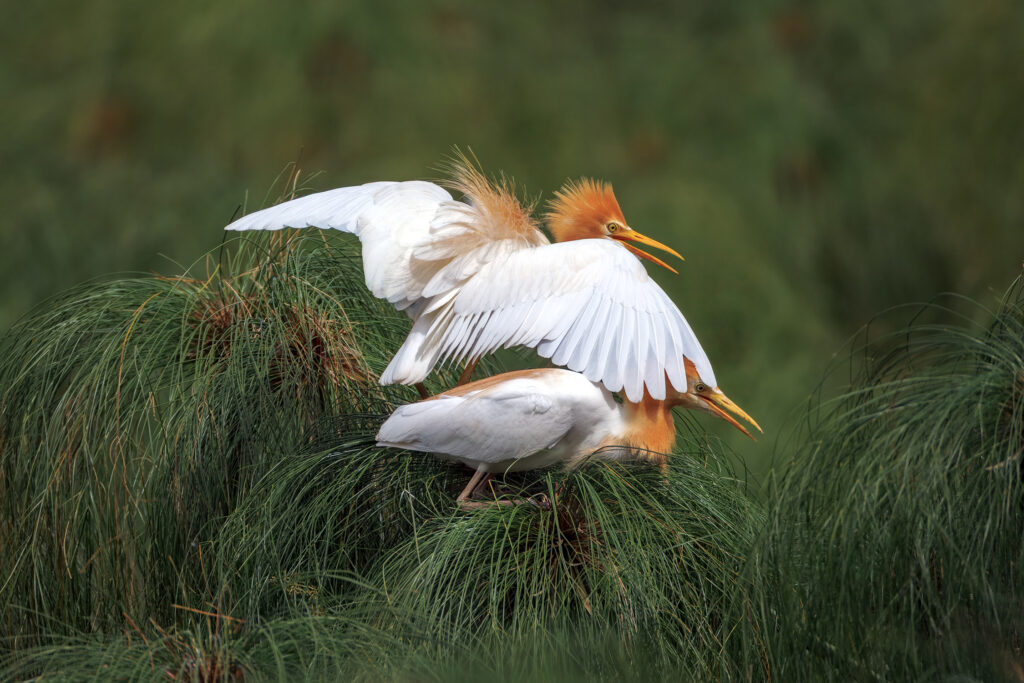
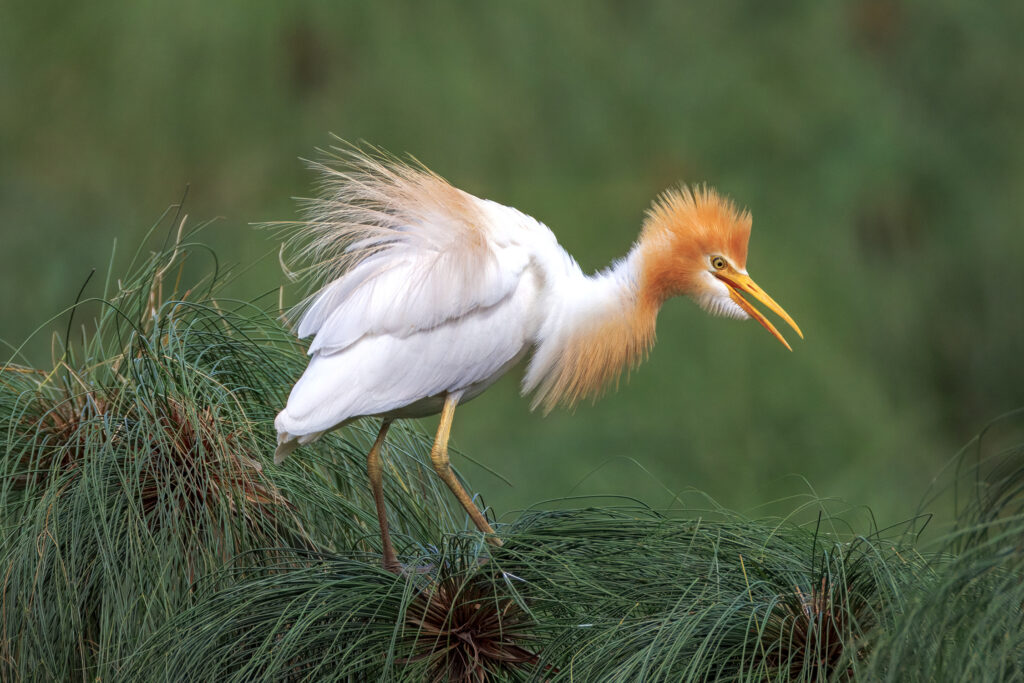
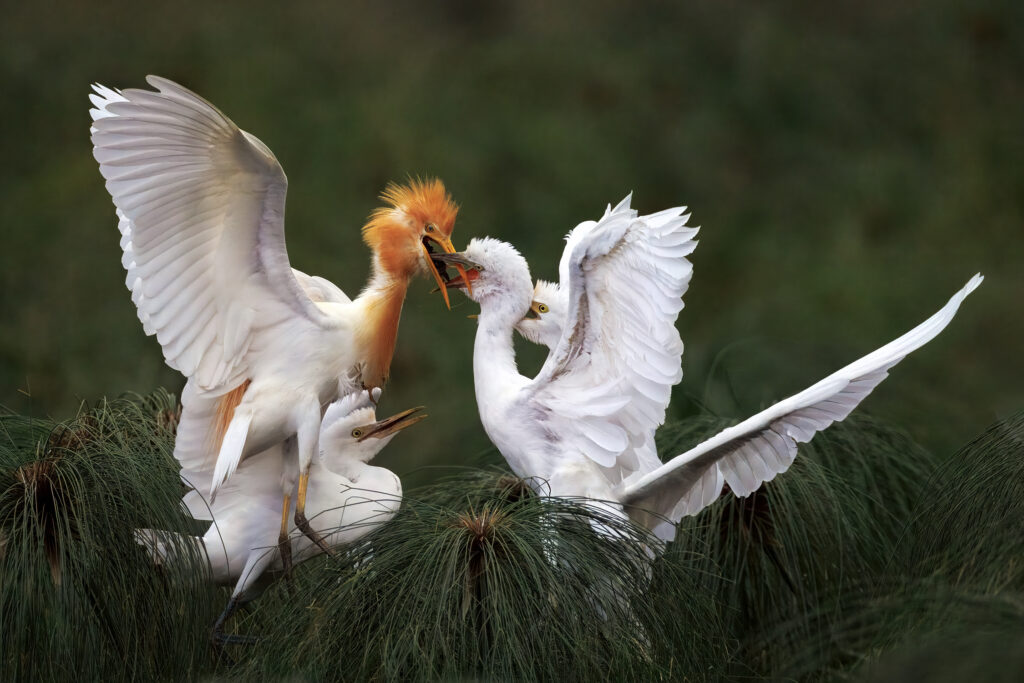
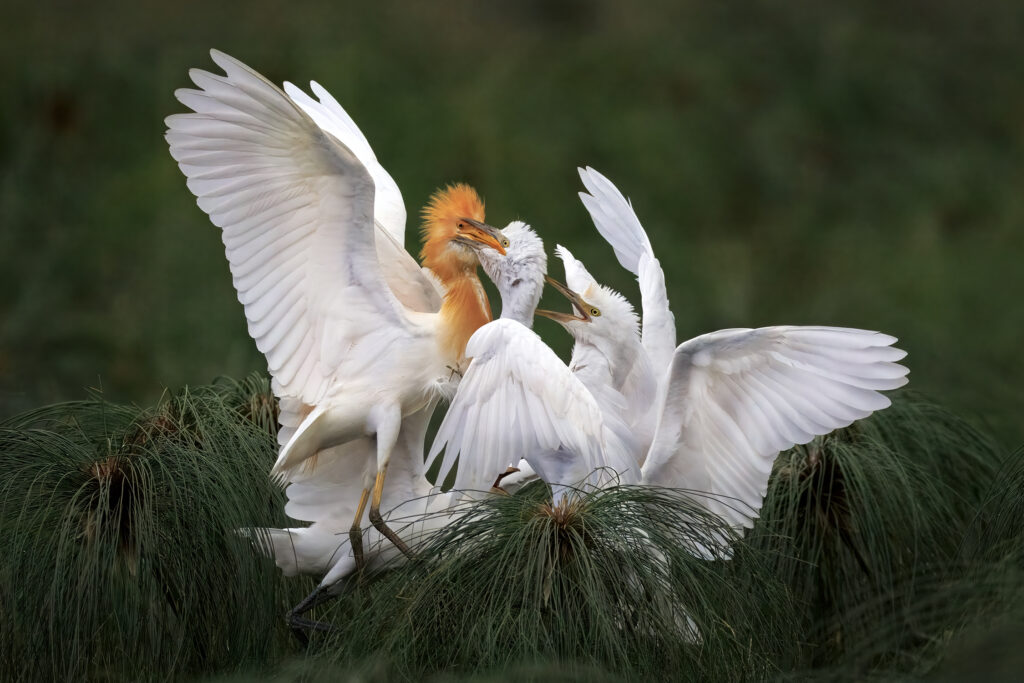
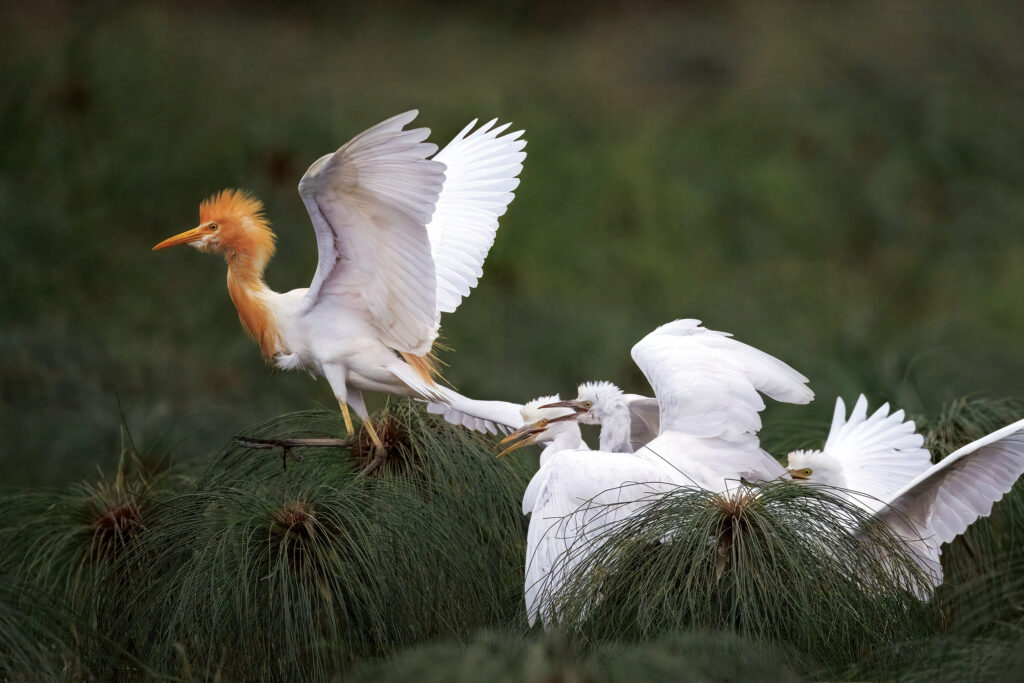
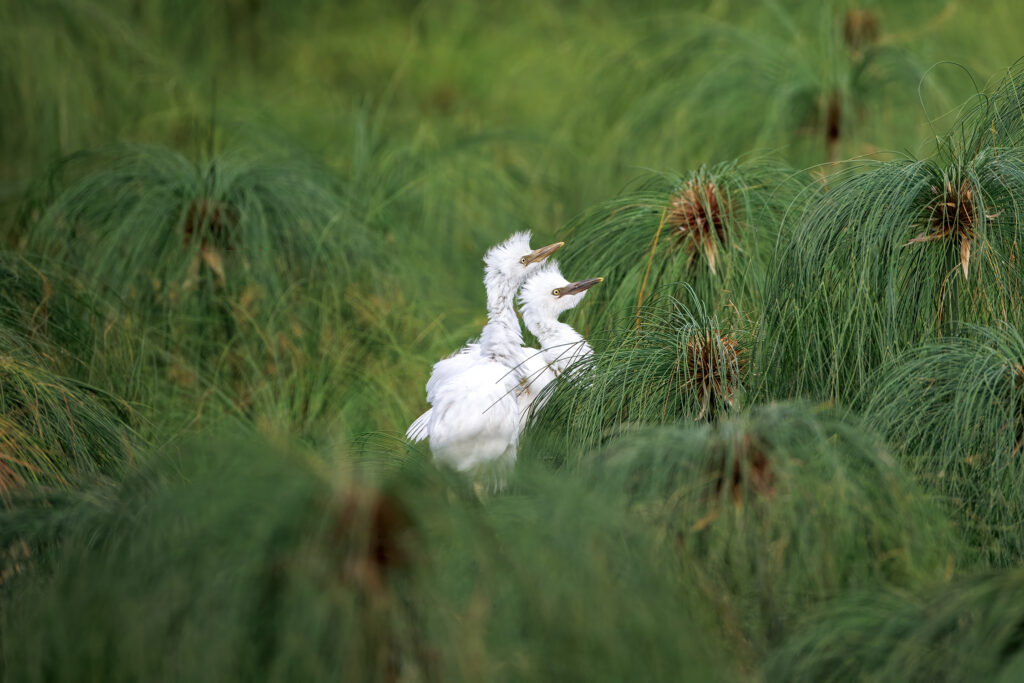
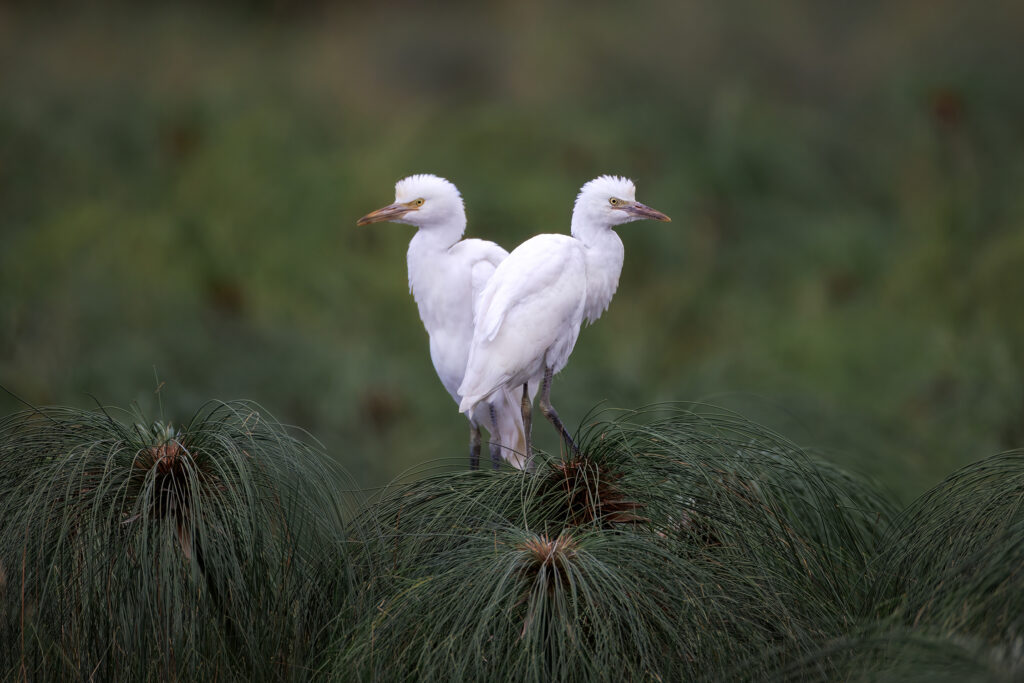
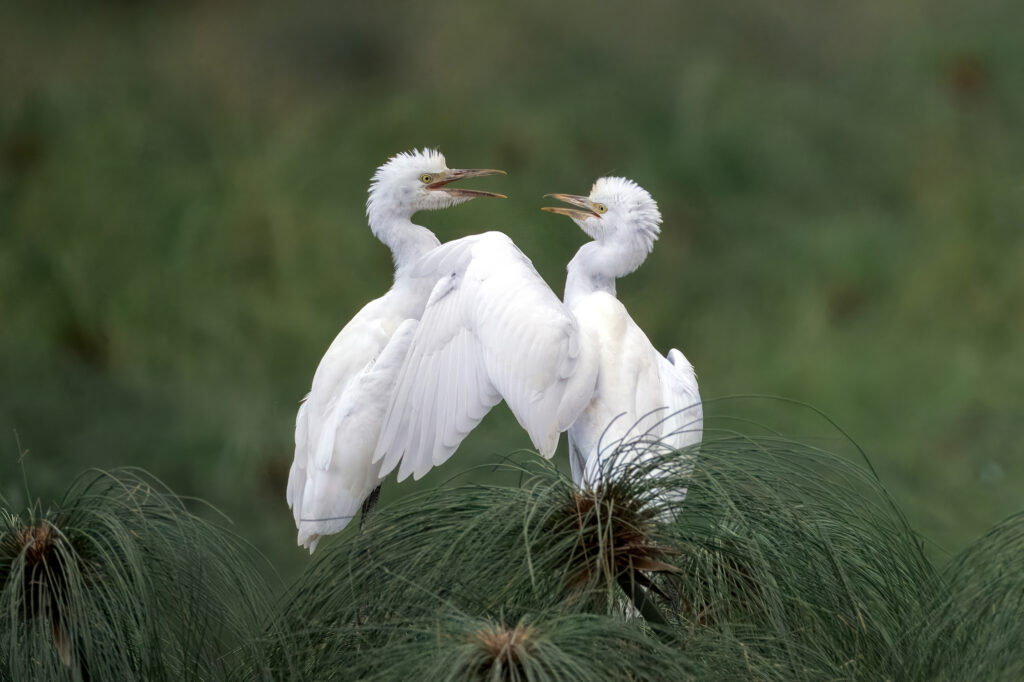
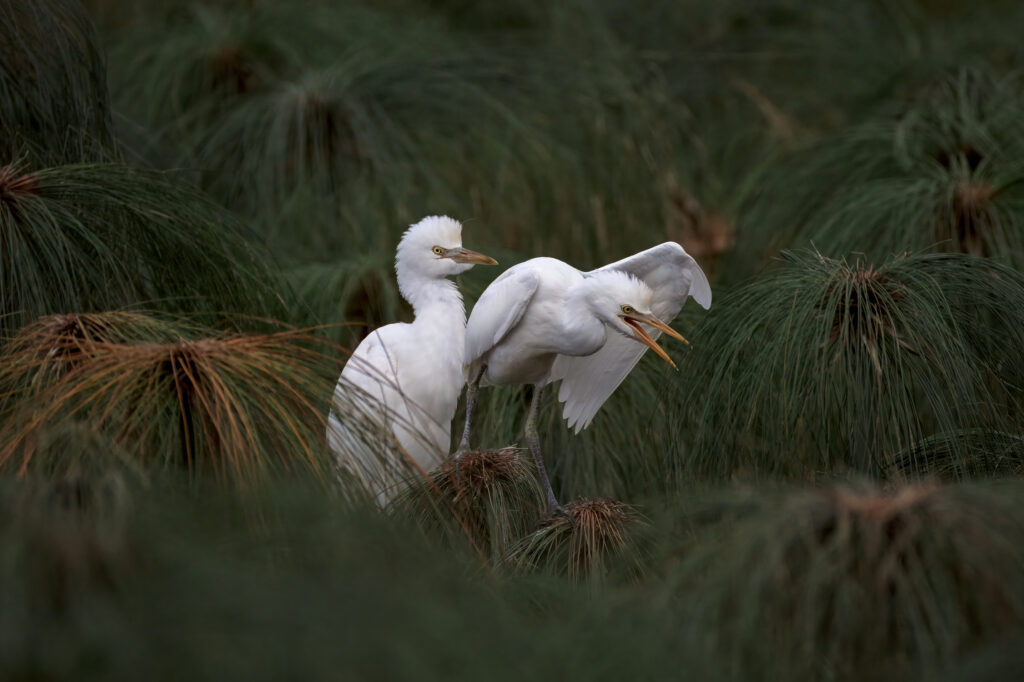
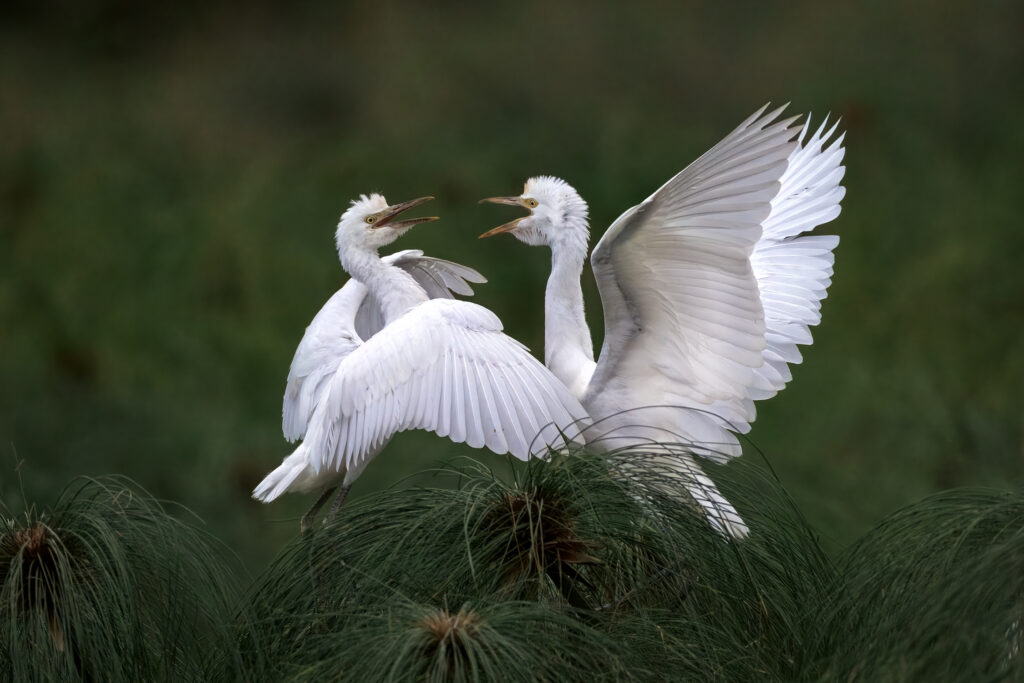
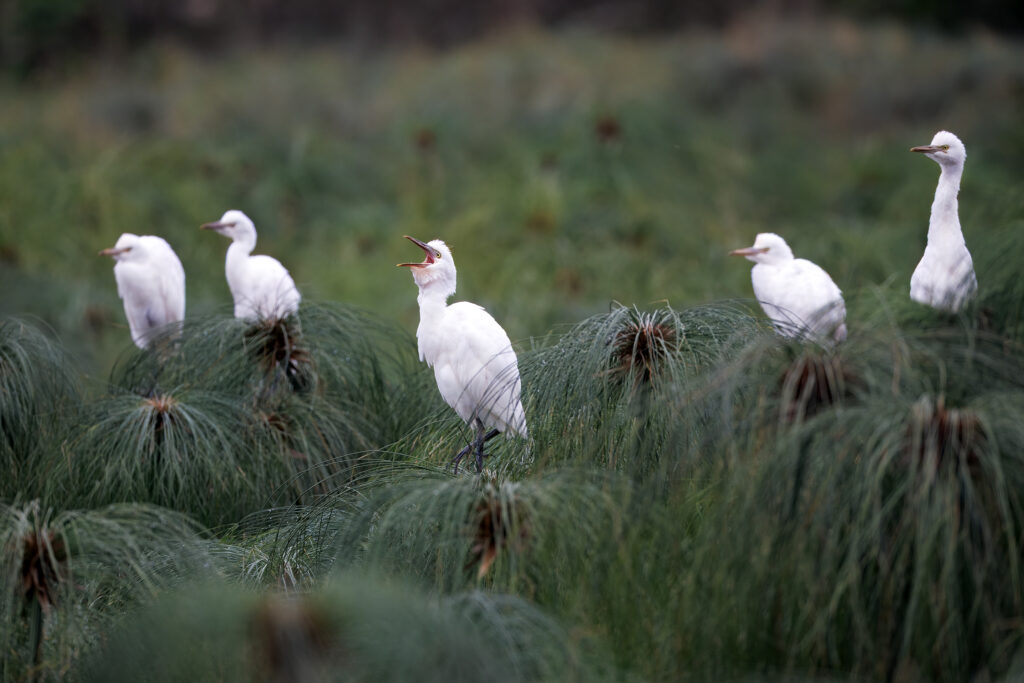
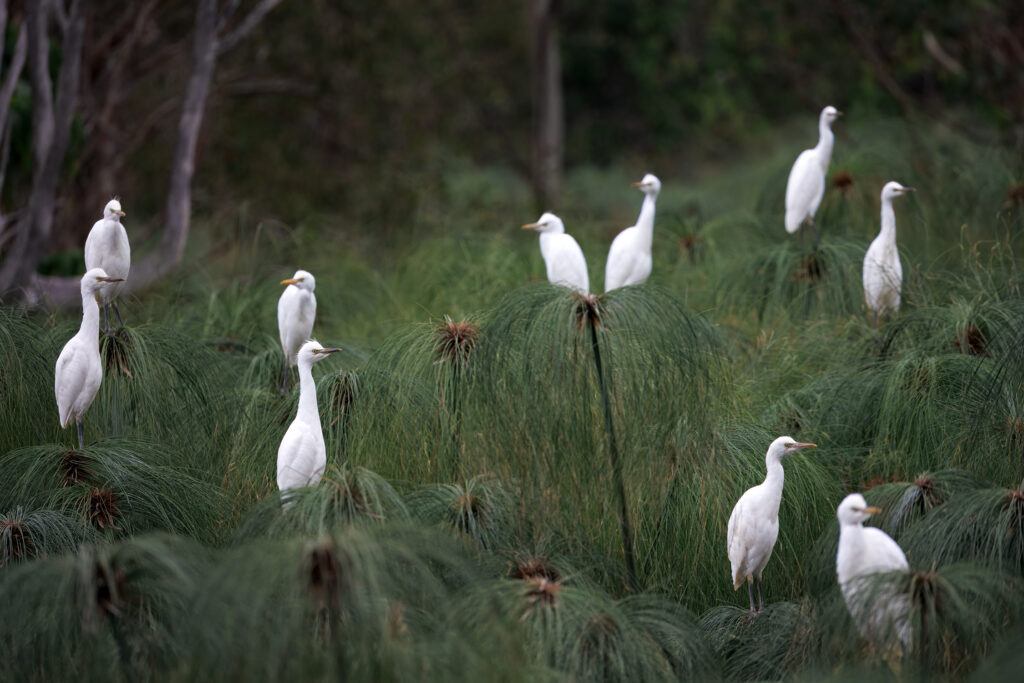
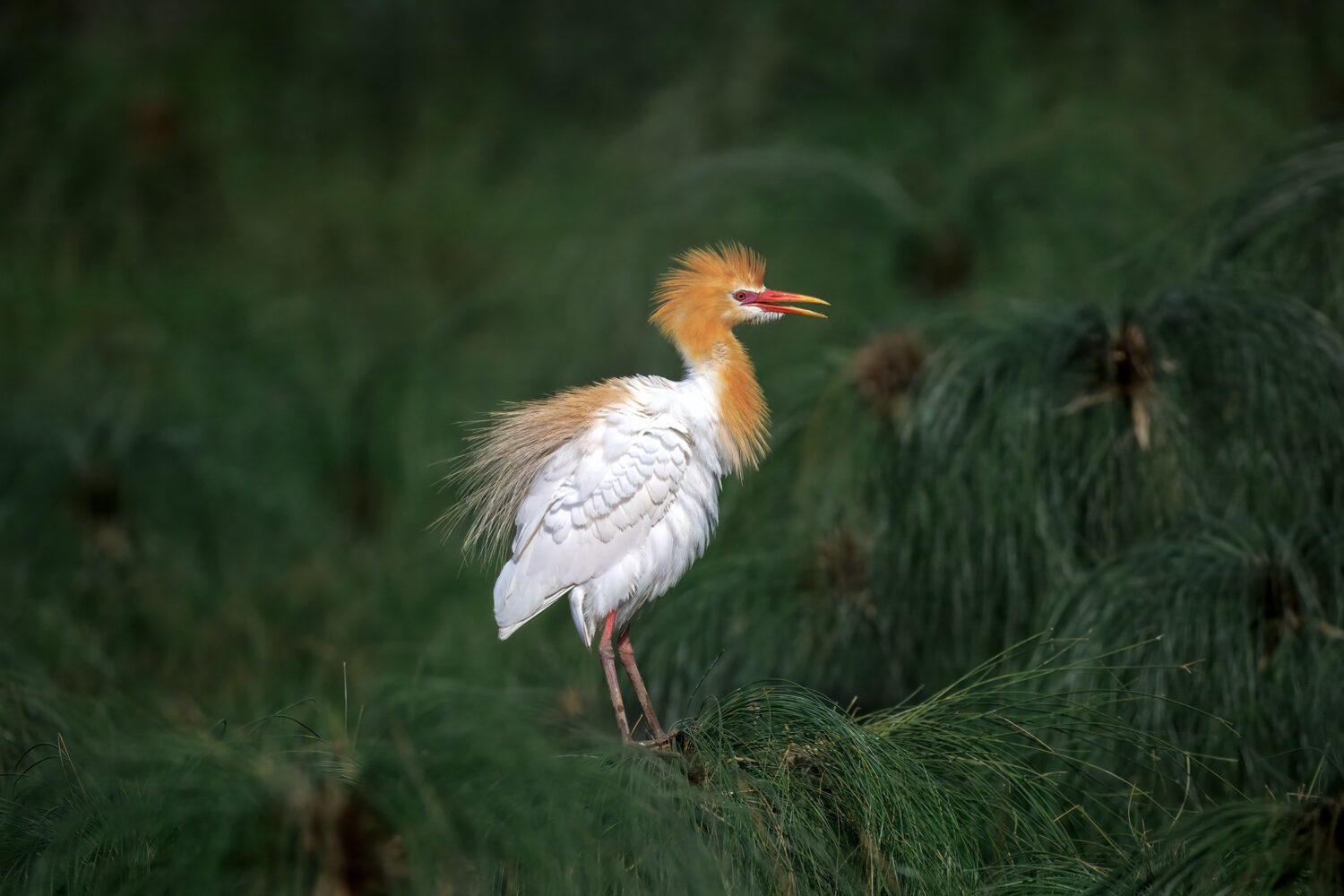
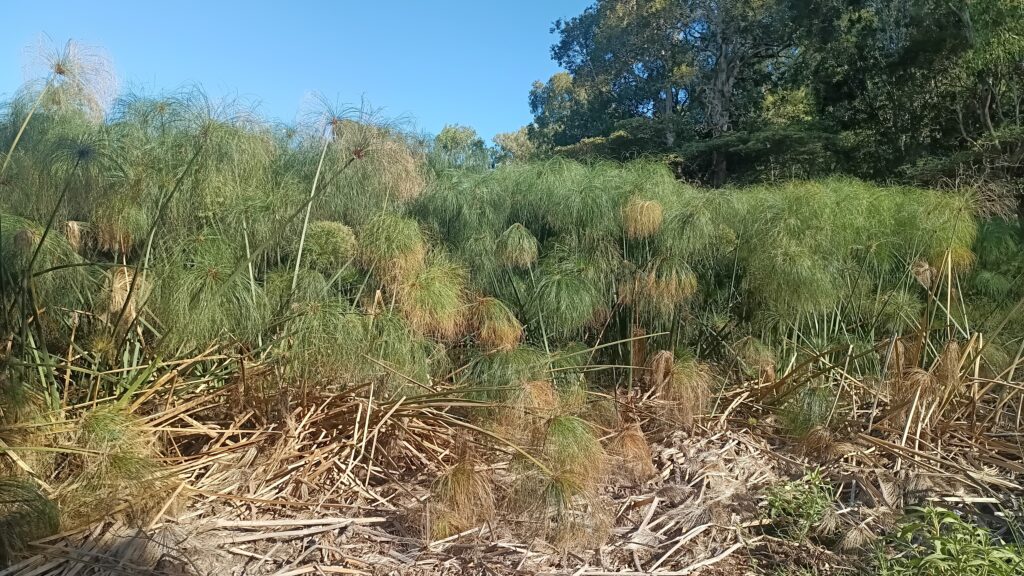
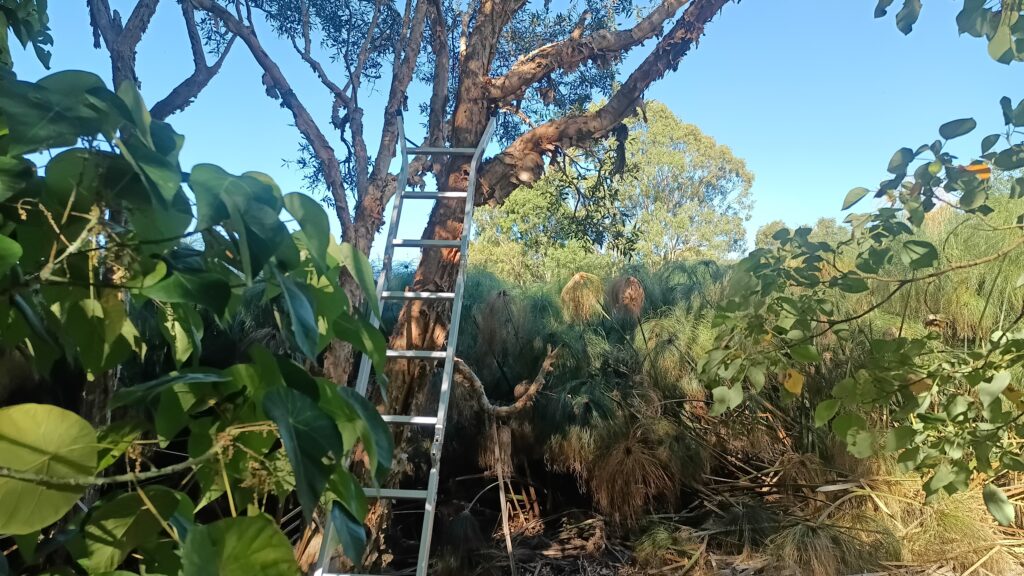
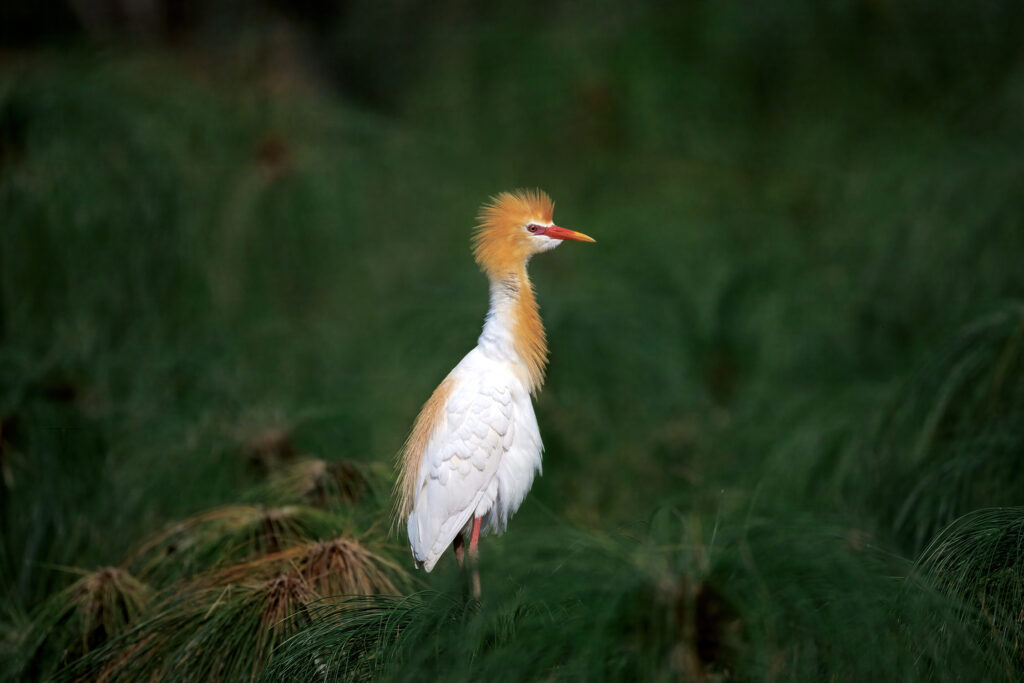
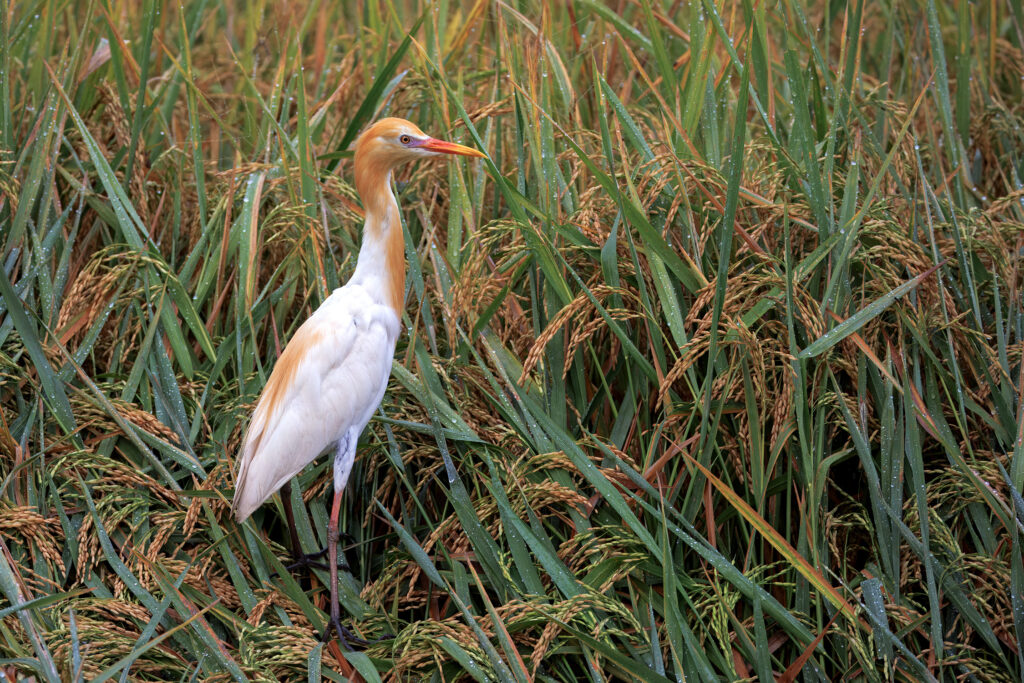
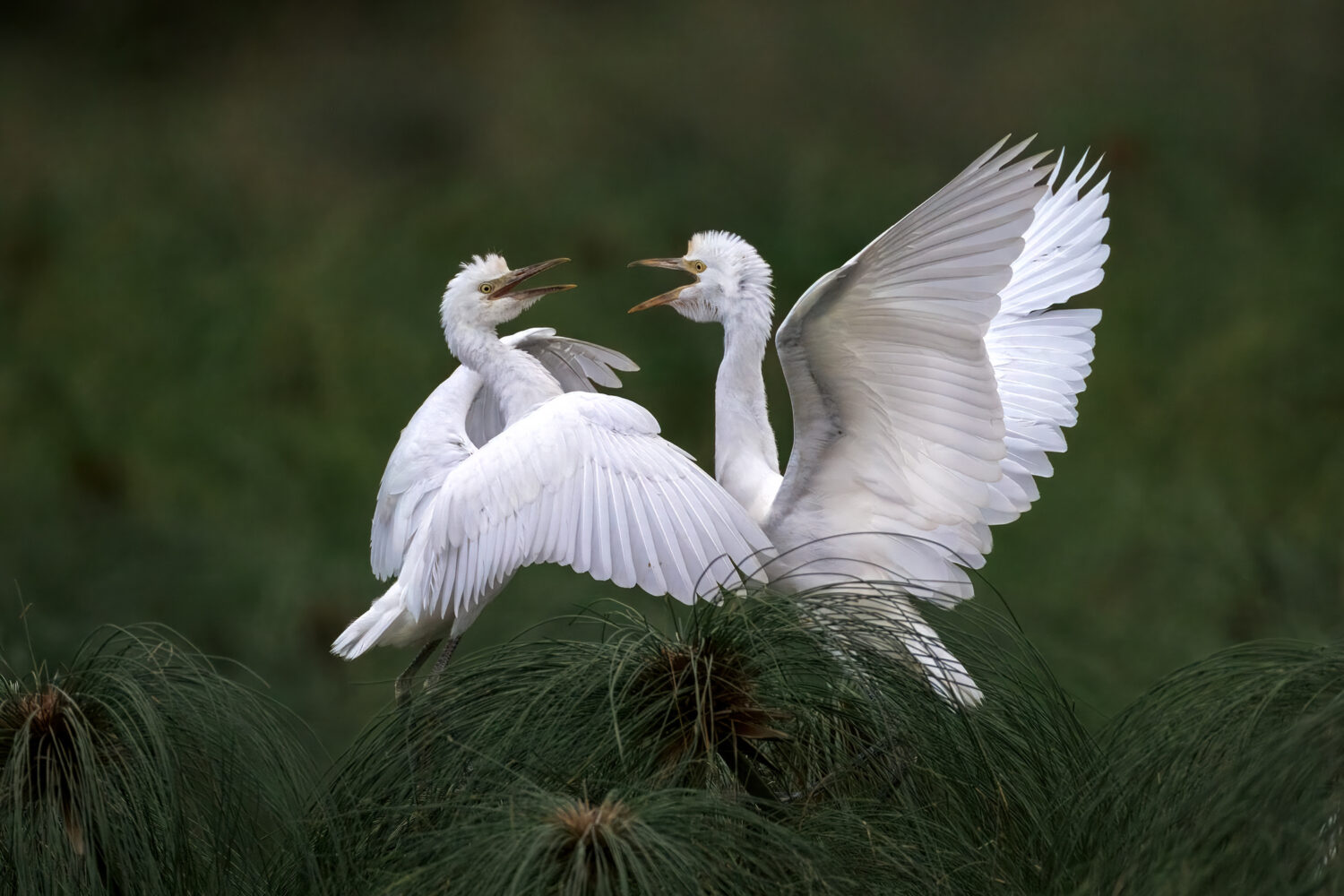
    Summer is the breeding season for the cattle egret, and this photo was taken just minutes from home. It shows the egret in its full breeding plumage — though not quite complete, as it’s missing the characteristic breeding blush on its beak (a bluish tint that comes later). I look forward to capturing this moment again, perhaps with better lighting or composition. To get eye-level with the egret’s nest, I had to work off a ladder, and as the papyrus around the area grows taller each year, getting that perfect shot becomes more challenging.

    📌 Update: I’ve now photographed egrets in their full breeding blush! You can see the complete series and final shots in this article.

    The Silent Question of the Little Pied Cormorant

    Next up is the little pied cormorant. Although it was clearly aware of my presence, it was busy drying its wings and seemed reluctant to fly. You can almost read the silent question in its eyes: *Should I take off now?* However, he was perfectly positioned with the sun illuminating each feather, creating a rare and magical moment for a quality shot. It’s a great example of how sometimes patience and perfect lighting can make all the difference.

    The Noisy Miner: Beauty in the Chaos

    The noisy miner, often disliked for its aggressive behavior and incessant chattering, is a bird that doesn’t always win hearts. I’m not particularly fond of them either, but this one had an opportunity to hunt for nectar on a long grass-tree flower stem, and I couldn’t resist capturing it. I adjusted the white balance to create a light-filled, soft effect, which suited the image perfectly. This photo was taken in one of my favorite local parks, a place I often return to for its peace and quiet despite the noisy miner’s presence.

    Reef Egrets and the Hunt for Fish: A Noosa National Park Adventure

    During a family trip to Noosa National Park, I was fortunate enough to capture some incredible moments of reef egrets hunting for fish. The first image shows the bird catching a mudskipper — an impressive feat given the size of the fish. It’s hard to believe it all fits down the bird’s throat, but in mere seconds, it disappears. The second image captures the same bird hunting smaller fish. As the egret shakes its head to stun the fish, water droplets are suspended in mid-air, adding a dynamic element to the photo. The focus in its eyes makes this shot one of my best hunting photos to date. It’s also rare to have several images from a single session make it to the top of my year-end list!

    The Majestic Whistling Kite in Flight

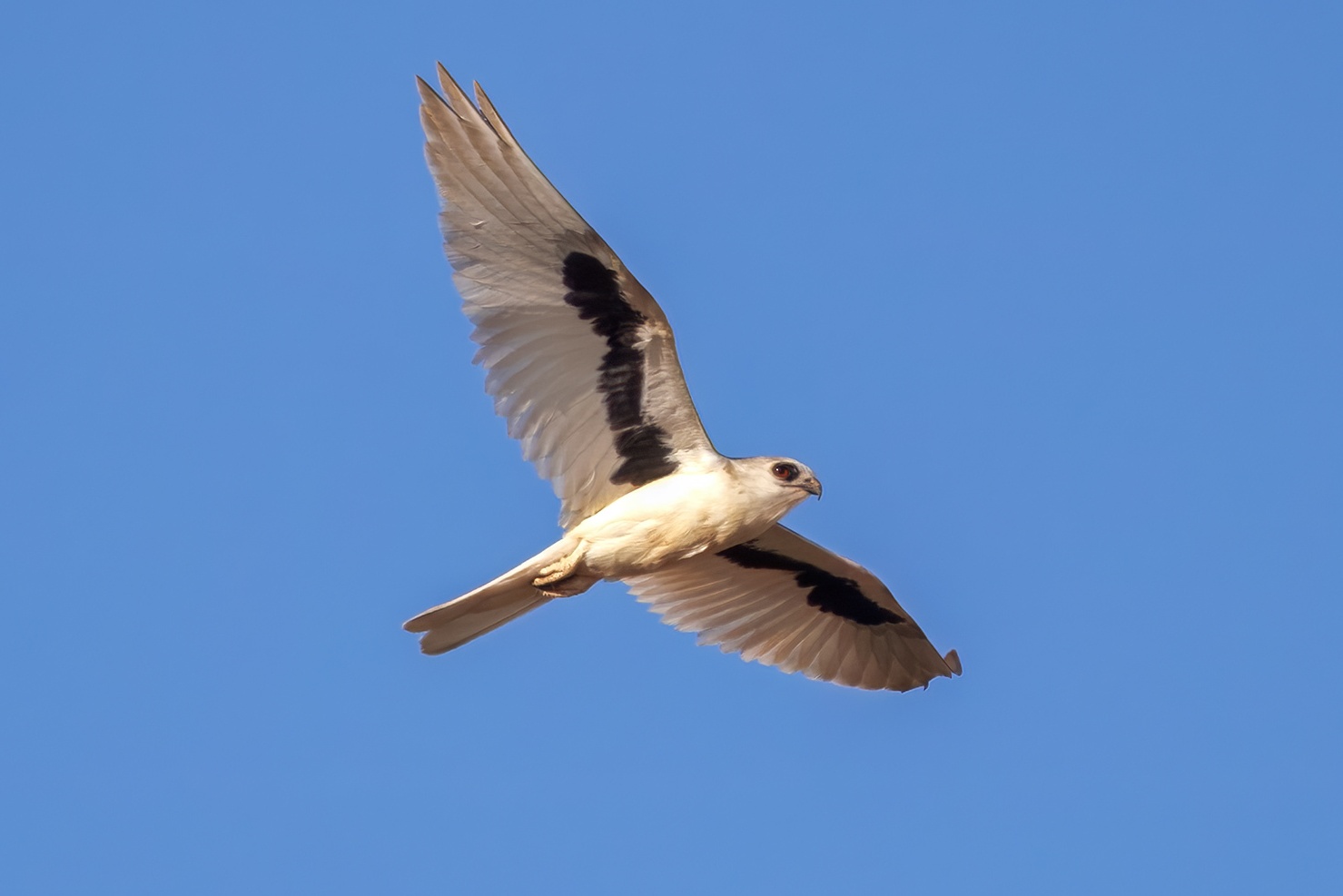
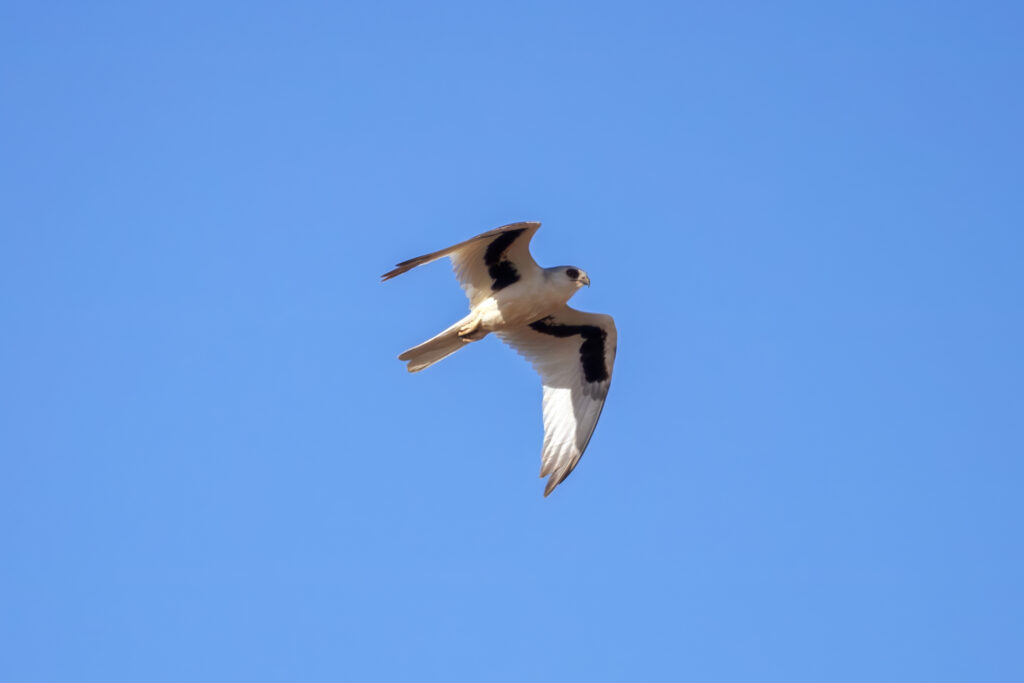
    While visiting Fraser Island, I captured this stunning shot of a whistling kite in mid-flight. The deep blue sky provided a perfect backdrop, creating maximum contrast and highlighting the bird’s graceful flight. It’s clear from its posture that the kite was keeping an eye on potential prey below, adding a sense of purpose and focus to the image.

    Pied Cormorant at Tangalooma Point: A Serene Moment

    This next image shows a pied cormorant perched on a handrail near the jetty at Tangalooma Point. The bird, basking in the sun, was completely relaxed and uninterested in the humans passing by. I loved the calmness of the scene, and the vibrant blue of the ocean provided the perfect contrast for the cormorant’s black-and-white plumage.

    The Murray River Turtle: A Rainy Encounter

    One rainy morning in the same park where I photographed the noisy miner, I came across a Murray River turtle. The turtle appeared to be playing dead, not moving an inch. This gave me the perfect opportunity to capture the moment, with the rain-soaked surroundings adding a rich, saturated color palette. I imagine the rain softened the soil, allowing the turtle to lay its eggs, and after a long day of digging, it simply lacked the energy to flee. It was an extraordinary encounter, and this turtle quickly became famous for its stillness.

    Golden Headed Cisticola: Nature’s Hidden Jewel

    The golden-headed cisticola is not a bird that typically stands out — in fact, its plain appearance often makes it easy to overlook. But when I spotted this one in full breeding plumage, with its golden head and a red bug in its beak, I couldn’t resist capturing the moment. Despite its unassuming nature, this bird was clearly in full show-off mode, perched among delicate flowers in the soft light. It was a reminder that beauty can be found in the most unexpected places.

    A Curious Scaly-Breasted Lorikeet at Brisbane Botanical Gardens

    Lastly, I have a photo of a scaly-breasted lorikeet taken during the gum tree flowering season at the Brisbane Botanical Gardens. Surrounded by pink bottlebrush flowers, the lorikeet looked directly at the camera with a curious expression. The soft lighting and vibrant colors made this a standout moment in my collection.

    Choosing a Favourite: A Year’s Worth of Stories

    If you asked me to choose a favorite photo from this collection, I wouldn’t be able to pick just one. Each image holds a special story, a moment of connection, or a challenge that makes it meaningful. But I’d love to hear which photo resonates most with you! Feel free to leave a comment below and share your thoughts.

    Click the link below to view my best images from 2019.

  • Meeting the Rainbow Pitta: Australia’s Shy Rainforest Gem

    Meeting the Rainbow Pitta: Australia’s Shy Rainforest Gem

    Tucked away in the lush monsoon forests of the Northern Territory, the rainbow pitta is one of Australia’s most dazzling yet discreet birds. Its jewel-bright colours flash like a surprise in the shadows, offering photographers a rare reward for patience and quiet footsteps. While their beauty is undeniable, rainbow pittas are far more than a pretty subject—they’re agile ground foragers, meticulous nest-builders and fascinating characters of the Top End’s tropical ecosystems. In this article, I’ll take you behind the scenes of my recent encounters with these vibrant little forest dwellers and share the photographs that tell their story.

    Interesting facts about the Australian rainbow pitta

    • Brilliant plumage – Despite foraging in dim forest undergrowth, rainbow pittas sport a striking combo of emerald-green wings, a velvety black head, a cobalt patch on the shoulder and a vivid scarlet rump.
    • Northern Territory locals – They’re found almost exclusively in the Top End, especially around Darwin, Kakadu and the Tiwi Islands, making them one of Australia’s more regionally restricted birds.
    • Master nest-builders – Rainbow pittas create dome-shaped nests with side entrances, often built close to the ground and lined with soft materials like moss and fine roots.
    • Secretive behaviour – Although colourful, they’re surprisingly elusive and prefer skulking through leaf litter rather than showing off in the open.
    • Diet of opportunity – They feed on insects, earthworms, snails, spiders and the occasional small skink, which they often bash against a log or rock before eating.
    • Seasonal singers – Their distinctive “teow-teow” call is most often heard during the Wet, especially at dawn when the forest resonates with bird song.
    • Short, powerful hops – Rather than flying long distances, rainbow pittas rely on strong legs to hop rapidly along the forest floor.
    • Monsoon forest specialists – They thrive in dense monsoon vine thickets, coastal rainforest patches and riparian forests that offer shelter, leaf litter and consistent moisture.
    • Solitary by nature – Outside of breeding season, rainbow pittas are mostly solitary, each bird maintaining and defending a small territory.

    Discovery

    I accidentally discovered these birds in the mangrove forest along the beach while working on Groote Eylandt. Rainbow pittas are one of my favourite subjects—I could never tire of photographing them. Being arguably the most beautiful bird on the island, I decided to spend time observing it, trying to capture the image I had envisioned: a clean background with minimal clutter.

    Below is my first photo of the rainbow pitta. You can see just how congested and dark its environment was, making every shot a real challenge.

    A Shy Jewel of the Forest

    Its home was the densest part of the forest, full of broken branches and low shrubs, with hardly any sunlight reaching the forest floor. Even during the brightest part of the day, the technical challenges were immense. The bird’s plumage itself presented a puzzle: glossy metallic wing patches set against deep black feathers. Expose for the black, and the shiny patches blow out; expose for the metallic sheen, and the rest plunges into shadow.

    Technical Challenges

    The first challenge was figuring out whether it ever ventured into slightly more open, sunlit areas—but the pitta was steadfast in its routine, never straying from its preferred paths. It took days of careful observation to understand its movements and timing. This knowledge allowed me to position myself ahead of its arrival, quietly watching for any opportunity to photograph it on a suitable branch. Such spots were rare: after days of crawling through the undergrowth, I finally found a small, roughly circular clearing about two metres across. I positioned myself outside it, hoping the bird would eventually enter and offer a frameable shot.

    Three Months to Success

    After a couple of weeks, I managed some photos, but none met my vision.

    I kept returning, day after day, and it took three months before I finally captured images I am proud to share. During this time, I discovered a humorous side effect: as I crawled the forest photographing other birds—bowerbirds, whistlers, gerygones, kingfishers—local birdwatchers noticed my submissions on eBird, but they never saw me as I was spending all my time inside the dense bush, looking for pitta. Curious about the mysterious photographer with a long lens, they eventually spotted me after my project was complete, and one day, a stranger stretched out his hand and said, “Hello, Alex.” He had pieced together my identity from my posts and sightings. That simple encounter sparked a friendship born from shared passion—a reminder of the unexpected connections wildlife photography can create.

    The Trials Behind the Shot

    This project demanded more time and effort than any other photo I’ve taken. I was scratched by bushes, bitten by mozzies and green ants, and even was bitten right in the eye when I accidentally knocked an ant nest onto my back. Despite the hardships, the experience is unforgettable. The time, patience, and persistence required to capture this bird will always shine in my memory like a jewel—the ultimate testament to nature’s splendour.

    This is what a final image look like.

    Reflections on a Rainbow Jewel

    Working with the rainbow pitta taught me that patience, observation, and respect for a bird’s natural rhythms are just as important as skill behind the lens. It reminded me that the best wildlife photographs are not just about capturing a moment—they’re about understanding the creature, its habitat, and its story. Every scratch, mosquito bite, and muddy crawl became part of the experience, making the final image far more meaningful. Seeing the pitta appear in that tiny clearing, just as I had imagined, was a rare and humbling reward. Nature has a way of rewarding persistence, and this bird—vibrant, elusive, and utterly enchanting—will remain a highlight of my photographic journey for years to come.

    I’d love to hear your thoughts! If you’ve ever spent time observing or photographing elusive wildlife, or have tips for capturing tricky subjects like the rainbow pitta, please share your experiences in the comments below.

  • Blue Water, Bright Birds: Photographing Australia’s Boobies at Sea

    Blue Water, Bright Birds: Photographing Australia’s Boobies at Sea

    Fun & Fascinating Facts About Australia’s Boobies

    • Boobies are named after their clumsiness. Early Spanish sailors called them bobo, meaning “fool” or “clown”, because the birds were so trusting they’d waddle right up to people on deck. Not the most flattering origin story, but it stuck.
    • They’re exceptional aerial hunters. Boobies dive from impressive heights—sometimes over 20 metres—spearing into the ocean like feathery missiles to snatch fish and squid. Their bodies are built for it, with shock-absorbing skulls and tightly folded wings.
    • Aussie waters are prime booby territory. While they’re more commonly associated with tropical islands across the Indo-Pacific, Australia has thriving populations on offshore islands from the Great Barrier Reef to the remote west coast.
    • They’re devoted parents (most of the time). Boobies typically lay just one egg, and both parents take turns incubating and feeding their chick. The nest is often little more than a scrape or a simple stick platform—practical, not fancy.
    • Their courtship dances are brilliantly odd. Expect sky-pointing, foot-lifting and all sorts of theatrical moves. The red-footed booby’s high-stepping foot display is particularly charming.
    • They’re surprisingly quiet birds. Unlike gulls or terns, boobies communicate mostly with soft grunts, honks and whistles—often from inside the colony where their nests cluster tightly together.
    • Red-footed boobies sport—you guessed it—bright red feet and come in several colour morphs.
    • Brown boobies are sleek, dark and super agile in flight.
    • Masked boobies show off a bold black facial mask and clean white plumage.

    Australia’s Boobies Up Close: Life on the Wing Above the Deep Blue

    I’m a bit prone to motion sickness and admittedly nervous about going on dedicated seabird-watching trips, especially when they involve small boats. Instead, I photographed these boobies from a large cruise ship, which I managed to turn into a surprisingly successful bird-watching adventure. I certainly wasn’t expecting to spot all three species at once, but the ship’s wake seemed to send flying fish leaping from the water—an ideal invitation for the birds to follow along, dive after the fish and show off from all sorts of angles. I’m especially fond of the deep blue tones of the open ocean in the background, which create a brilliant contrast and make the birds really stand out.

  • Sacred Kingfishers: Australia’s Feathered Daredevils

    Sacred Kingfishers: Australia’s Feathered Daredevils

    Interesting Facts About the Sacred Kingfisher

    • Aerial Acrobat: The Sacred Kingfisher is like a little superhero of the bird world, often diving from a perch in a split second to catch its prey, usually fish, insects, or even small reptiles. They are so fast and accurate that it looks like they’ve been practicing aerial acrobatics.
    • Sacred by Name, Sacred by Nature: Despite its name, the “sacred” part doesn’t relate to any religious significance but rather to the bird’s association with spirituality in various Aboriginal cultures. It’s sometimes seen as a totem or a symbol of communication with the spirit world—so this bird has some serious spiritual connection.

    • A Fish’s Worst Nightmare: The kingfisher’s hunting technique is to dive headfirst into the water, often from a high perch. It’s like the bird version of a high-speed chase scene in an action movie. Once they spot their prey, it’s game over for the fish. A Sacred Kingfisher can catch a fish in mid-air or while submerged, with a success rate that would make any predator jealous.
    • Not So Sacred About Their Love Life: Sacred Kingfishers are generally pretty loyal, sticking to monogamous pairs, and they typically stay in the same nesting site for years. But here’s the twist: sometimes, the males get a bit cheeky and try to court several females. Talk about a love triangle!
    • Flash of Blue in the Bush: The Sacred Kingfisher’s feathers are so vibrant, it’s as if they’re showing off their finest fashion—bright turquoise and green with a pop of white, creating a striking contrast against the green and brown of the bush. It’s like they’ve just stepped out of a birdy fashion magazine.
    • Migratory, But Not That Far: While they are migratory, they don’t travel in massive distances like some birds. Sacred Kingfishers will usually move a little further south during the winter months, but they’re still pretty picky about the areas they settle in. They like their habitats to be near water for fishing, so you’ll mostly find them near rivers, lakes, and coastlines.

    Nest of Opportunity

    While exploring one of the local parks, I stumbled upon a remarkable sight: a Sacred Kingfisher nest tucked neatly inside a termite mound on the trunk of a tree. The nest wasn’t high up, making it accessible for the perfect photographic angle, and it was clear that this was a favorite spot for the birds. The mound, weathered and worn, offered both shelter and safety, a prime location for the kingfisher to raise its young. Over the following weeks, I returned to the site multiple times, camera in hand, to observe the kingfisher’s feeding habits. The menu was as diverse as it was fascinating: the bird darted to catch spiders from the tree bark, pounced on plump grubs in the underbrush, snapped up dragonflies in mid-flight, and even caught small lizards sunning themselves nearby. Each visit was a test of patience, as I studied the bird’s movements and perfected my pre-capture timing, eager to capture the graceful flash of blue against the textured backdrop of the tree and mound. These moments, where nature’s rhythm unfolds before you, offered perfect opportunities to freeze time and document the Sacred Kingfisher in all its hunting glory.

    A Face in the Tree

    What made this particular nest even more remarkable was the way it resembled a face. At first glance, the mound seemed like a random mass of dirt, but as I spent more time studying it, something strange became clear—it looked remarkably like a face. The more I stared at it, the more familiar the features seemed, but it took me a while to place it. Then, it clicked: the face looked almost identical to Davy Jones, the eerie pirate from Pirates of the Caribbean! The shape of the brow, the indentations, and the textured grooves of the mound gave off a distinct resemblance to the iconic sea villain, complete with his tentacle-like features. Now, I’m not saying the nest was definitely meant to resemble a cursed pirate captain—but the uncanny likeness was hard to ignore. What do you think? Does it remind you of Davy Jones too, or am I just seeing ghosts of the Caribbean in the trees?

    Comedic Landing

    One of the most amusing shots I captured during my time observing the Sacred Kingfisher was a moment that felt like it belonged in the Comedy Wildlife Photography Awards. In this image, the bird looked like it was on a mission, flying full speed toward the tree with wings spread wide—so wide, in fact, that it appeared to be trying to hug the trunk mid-flight. But the real comedy came in when the kingfisher’s head disappeared inside the nest, as if it had forgotten to stop or was attempting some kind of airborne headbutt. The timing of the shot was priceless—here was this otherwise graceful predator, now caught in a moment of utter chaos, wings flapping like an overenthusiastic hugger and face buried deep in the mound. It’s a perfect reminder that even the most skilled hunters have their awkward moments—and this one, to me, could easily have earned a spot in the Comedy Wildlife Photo Contest.

  • Funky Feet and Fierce Comb: The Charm of Comb-crested Jacanas

    Funky Feet and Fierce Comb: The Charm of Comb-crested Jacanas

    Fun & Interesting Facts About Comb-crested Jacanas:

    • Water Walkers: Comb-crested Jacanas are often called “Jesus birds” because they can seemingly walk on water, thanks to their long, strong toes and claws that help them glide across the surface of ponds and marshes. It’s almost like they’re doing a delicate little dance on water lilies!
    • Fancy Footwork: Their long toes aren’t just for walking on water. They’re designed to distribute their weight evenly across the surface, preventing them from sinking. It’s like nature’s version of snowshoes!
    • The Royal Comb: Male Comb-crested Jacanas are known for the striking, bright red comb on top of their heads, which looks like a crown. It’s a beautiful, flamboyant feature that they use in mating displays—think of it as their personal party hat!
    • Unconventional Dads: In the world of Jacanas, the dads do most of the parenting. The male takes on the responsibility of incubating the eggs and caring for the young, while the female is free to mate with multiple males. Essentially, Jacana dads are the primary caregivers, making them stand out in the bird world for their “hands-on” approach.
    • Flamboyant Fashionistas: Comb-crested Jacanas have some of the brightest and boldest colors around. Their plumage is a mix of blacks, whites, and rich browns, with a hint of iridescent sheen, making them look like they’re always dressed for a party.
    • Can’t Stop, Won’t Stop: Known for their stamina, these birds are constantly moving, whether it’s hopping from lily pad to lily pad, hunting for food, or just strutting around the marsh. They rarely stand still for long, making them a challenge to photograph but also a joy to capture in action!
    • Secret Snackers: Comb-crested Jacanas are omnivores and eat a variety of foods, from seeds to small insects, and even little fish. But they are especially fond of feeding on insects that live among the floating vegetation in their wetland habitats.

    Elusive Water Dwellers

    These birds can only thrive on water bodies blanketed with floating vegetation—especially lily pads. Because water levels in Australia’s wetlands change with the seasons, not every pond will host Jacanas all year round. This makes finding them a little unpredictable and, for a photographer, all the more rewarding when you do spot them.

    Masters of the Lily Pad

    I love watching Comb-crested Jacanas at work. With their comically long toes, they can look a bit clumsy at first glance. Yet their balance and precision are incredible as they tiptoe across the pads, testing each one’s stability. Not every lily pad holds firm—sometimes they wobble, sometimes they dip, and occasionally the bird sinks in for a split second before quickly recovering. It’s nature’s slapstick comedy act, performed with elegance.

    Parental Surprises

    One of the most fascinating things about Jacanas is their parental behavior. The males are devoted dads and will sometimes carry their chicks beneath their wings to protect them from danger. I’ve read about this many times, but I haven’t been lucky enough to witness it in person—yet! Perhaps one day I’ll capture that moment through my lens.

    For now, enjoy this small gallery below showcasing these remarkable birds in their watery world.