Category: Gallery

  • The Master Builders of the Bush: My Encounters with Great Bowerbirds

    The Master Builders of the Bush: My Encounters with Great Bowerbirds

    If you’ve ever wandered through the northern tropics of Australia—across Queensland, the Northern Territory, or Western Australia—you might stumble upon one of nature’s most fascinating architects: the Great Bowerbird. Despite their rather plain appearance at first glance, these birds are anything but ordinary.

    Male Great Bowerbirds are renowned for their extraordinary courtship behaviour. Instead of relying on feathers or song alone, they build and maintain complex structures known as bowers—not for nesting, but purely to impress a potential mate. These bowers, made from twigs and carefully arranged, are decorated with objects in colours the birds prefer—white, silver, and green being the favourites of this species. The dedication is remarkable: they spend weeks (sometimes months) perfecting their creation, constantly rearranging and replacing items, often stealing prized decorations from neighbouring bowers. It’s a game of constant one-upmanship in the bird world.

    And while it might not sound fair, once mating occurs, the female is left to handle nesting and chick-rearing alone. The male, on the other hand, stays committed to the performance—tending his bower, calling loudly, and hoping to impress another visitor.

    Here’s the cool twist:

    The male arranges these objects to create a forced perspective illusion—like a visual trick! He places smaller objects closer to the entrance and larger ones farther away, making the path look more symmetrical and impressive from the female’s viewpoint. It’s one of the few known examples of non-human animals using perspective in visual displays.

    If the female is impressed? She mates with him. If not? She leaves—and he may rearrange things for the next try!

    Chasing Bowers: My Journey Begins

    Great Bowerbirds don’t occur where I live, so observing them in the wild meant venturing into the heart of their territory. My first encounter with a bower was purely accidental. I spotted a strange pile of twigs littered with green and white objects—it looked like a mess at first glance, but something about it caught my eye. Then I saw the bird.

    That was the beginning of a six-month-long photographic adventure.

    From there, I began to find more and more bowers—some clearly abandoned, some full of activity. While they’re relatively easy to locate thanks to the males’ loud and persistent calls during mating season, photographing them proved far more challenging. Most bowers are cleverly hidden under dense bushes, shielded from predators—and, inconveniently, from camera lenses.

    To give you an idea of what the bower is, the materials collected, and how they’re arranged, take a look at some photos below.

    To be honest, I’m not sure what materials birds collected before human influence, but nowadays they mostly gather items produced by humans—such as chalk, beer can tabs, styrofoam, and various plastic bits and pieces.

    An Ideal Observation Spot

    One day I got lucky. One particular bower I found was not only active but perfectly positioned. It had a clear view from one side and was oriented with its “gate” facing the sun—ideal for natural lighting. I returned to this spot over and over, quietly watching as the male brought in fresh decorations, rearranged key items, and performed elaborate displays.

    Moments Captured Through the Lens

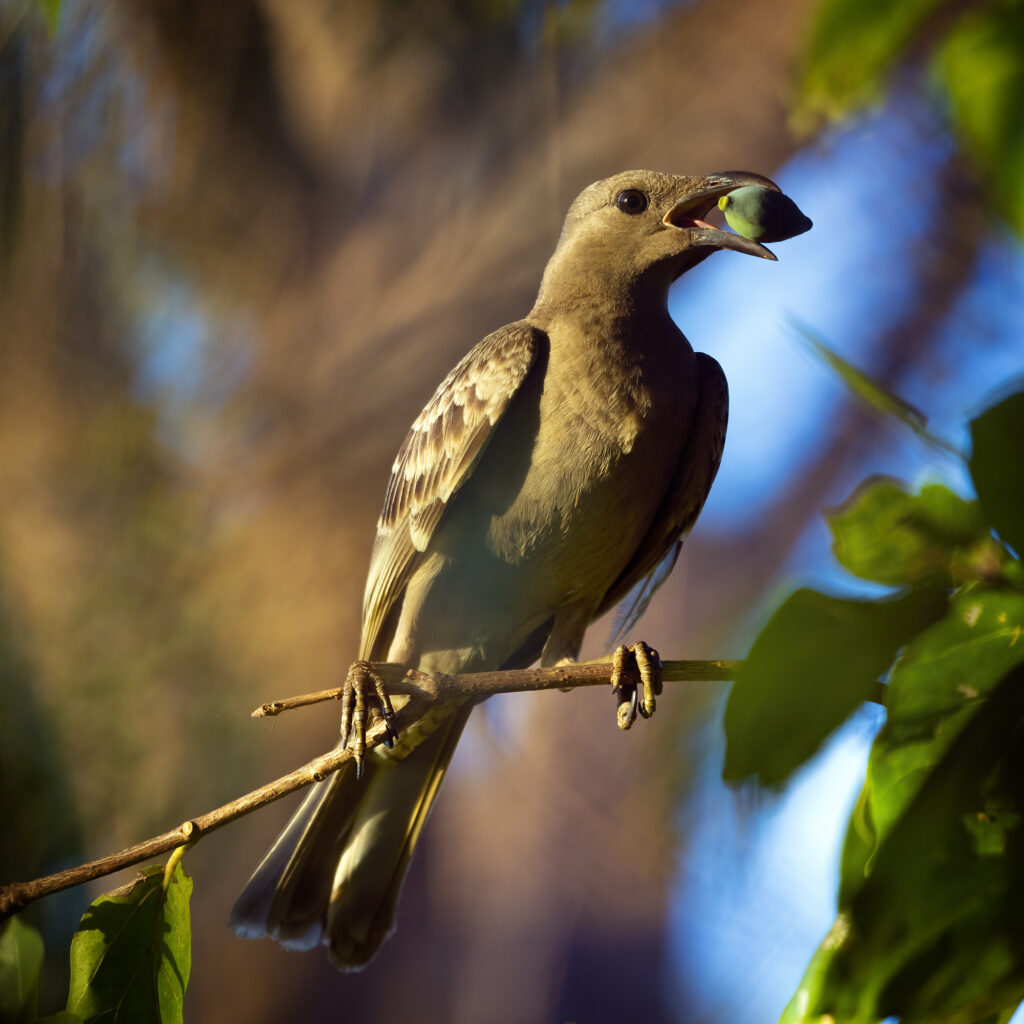
    Below is one of my favourite images from this journey—a male perched low with a green seed in his beak, clearly about to place it carefully within the bower. Such a small object, but of great significance.
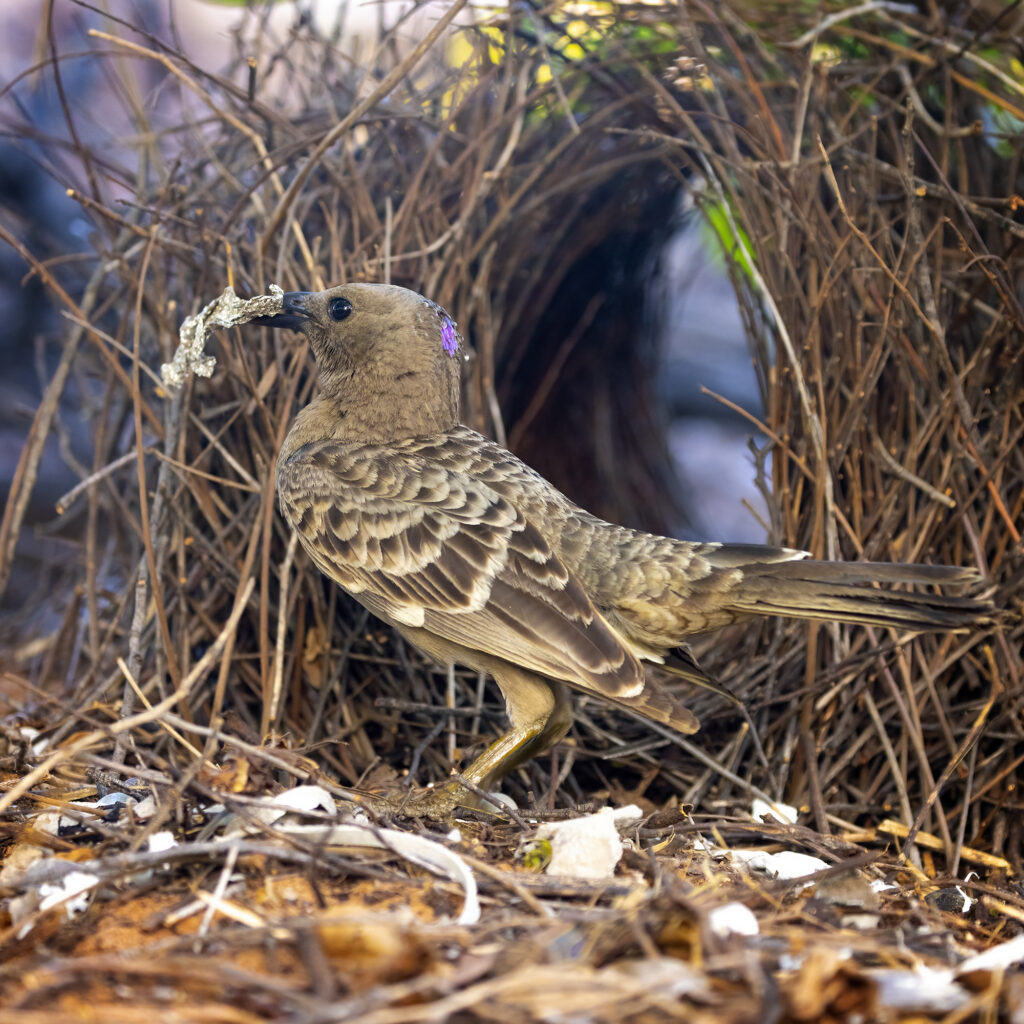
    Another photo shows a male repositioning a piece of silver foil. These aren’t just random objects; they are part of a carefully curated selection. Over time, I noticed something fascinating: young males seem to favour white items, but as they age, their bowers begin to include more green. Perhaps a sign of growing maturity—or refined taste.
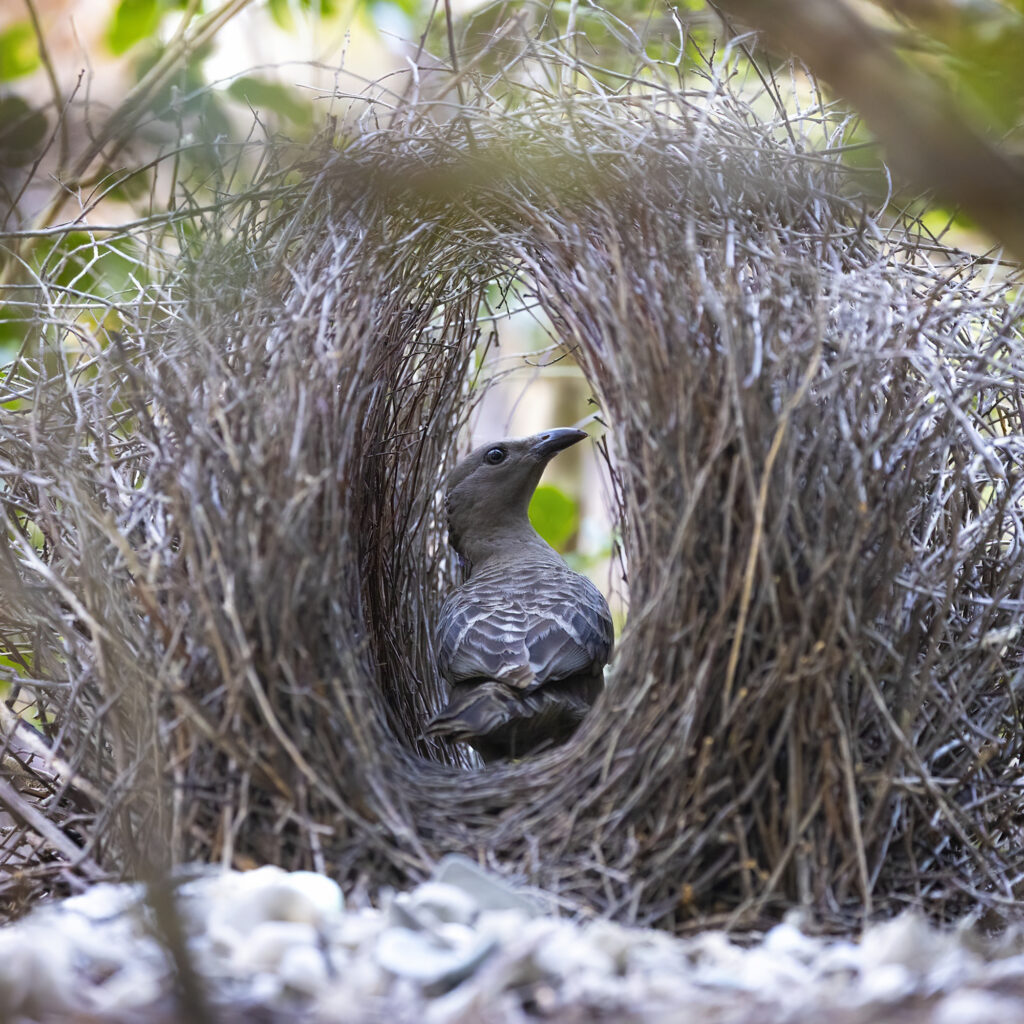
    One particularly striking image shows a male walking proudly through the heart of his bower, doing a bit of housekeeping. These birds are meticulous.
    A Surprise Encounter

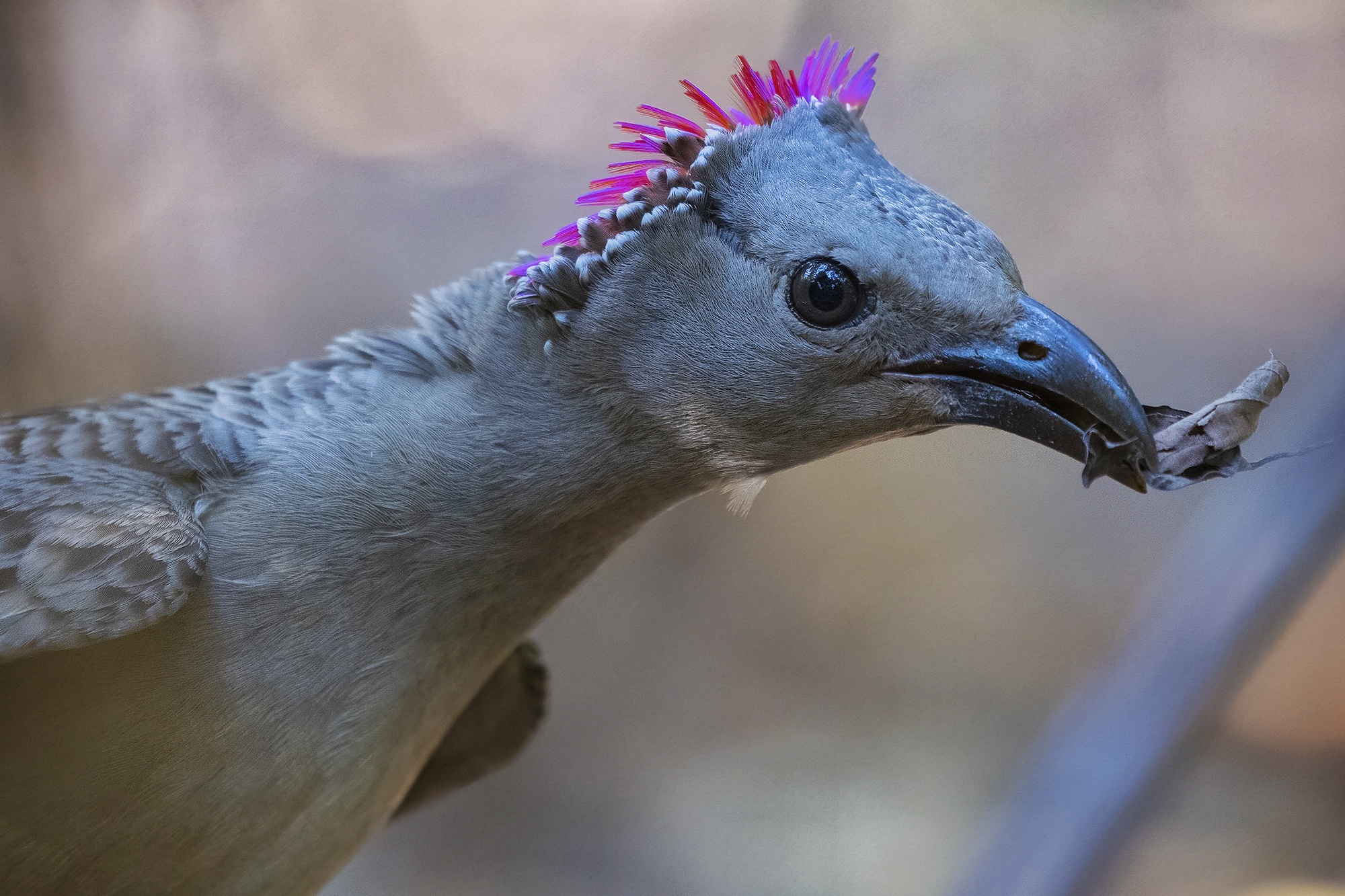
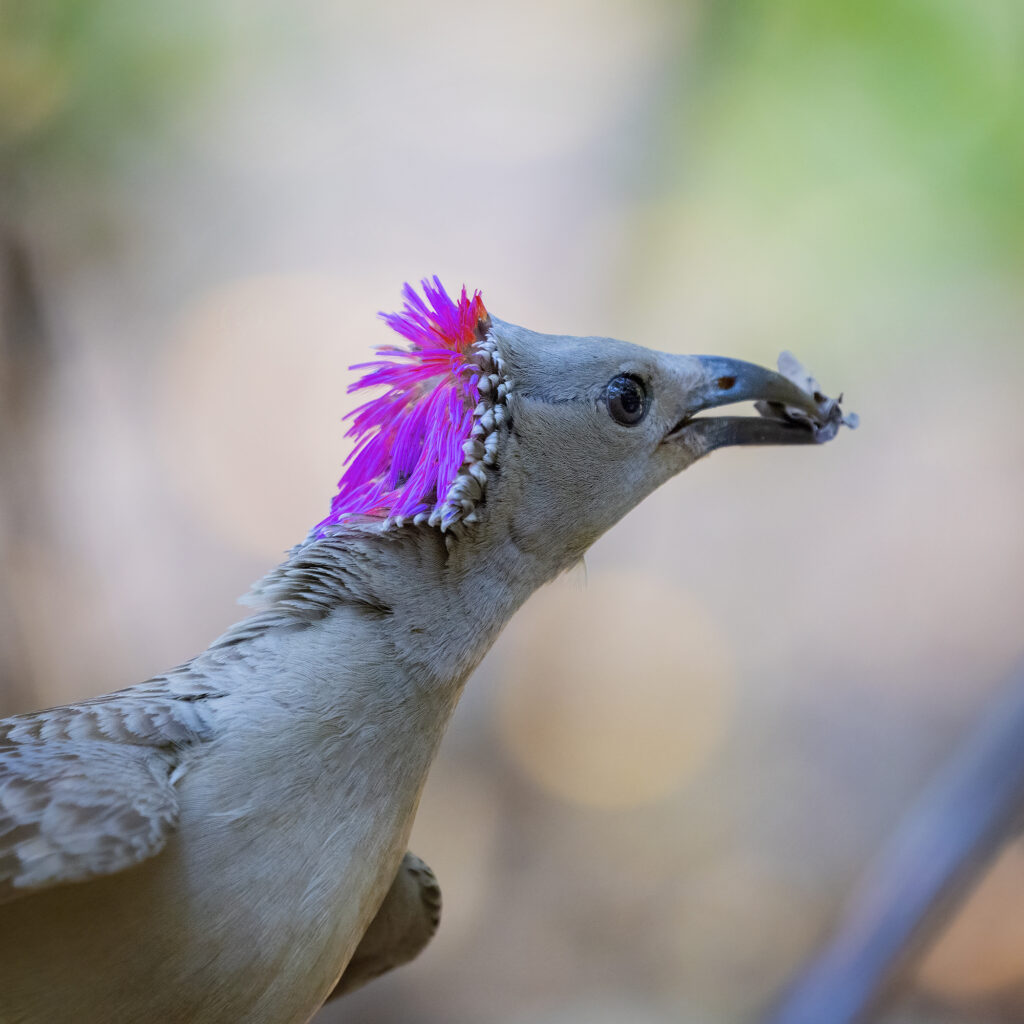
    One day, while crawling silently through the underbrush toward a newly discovered bower, I accidentally crunched some dry leaf litter. Moments later, a male appeared, fluffing his head feathers and clutching a leaf—clearly part of his display. He strode straight toward me, bold and fearless. I didn’t even have time to zoom out. What I captured were tight portraits—close-ups of his display feathers, radiant in hues of purple normally hidden. They reminded me of the vivid colours of sea anemones—a brilliant, fleeting glimpse of nature’s drama.
    The Curious Case of the Green Bin Handle

    Another day brought a story that still makes me smile. I found a bower featuring a green plastic handle from a wheelie bin lid placed proudly right in the centre. It was clearly the bird’s most treasured item. But the next day, it was gone. Someone—some bird—had stolen it.
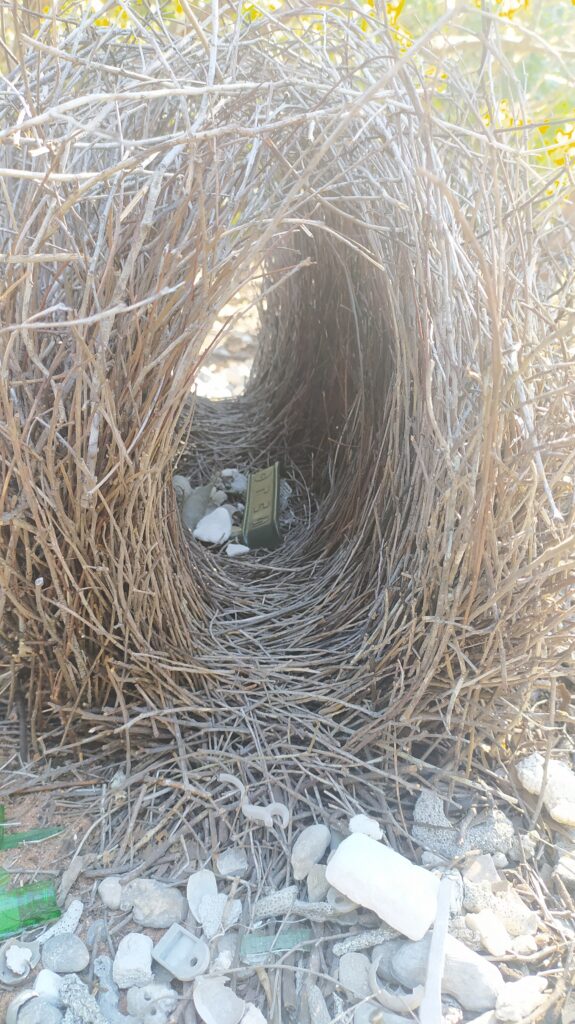
    A few days later, I discovered the same handle at another bower over 500 metres away. Wanting to make things right, I returned it to the original bower. That night, I couldn’t sleep. What if I’d given it to the wrong bird?
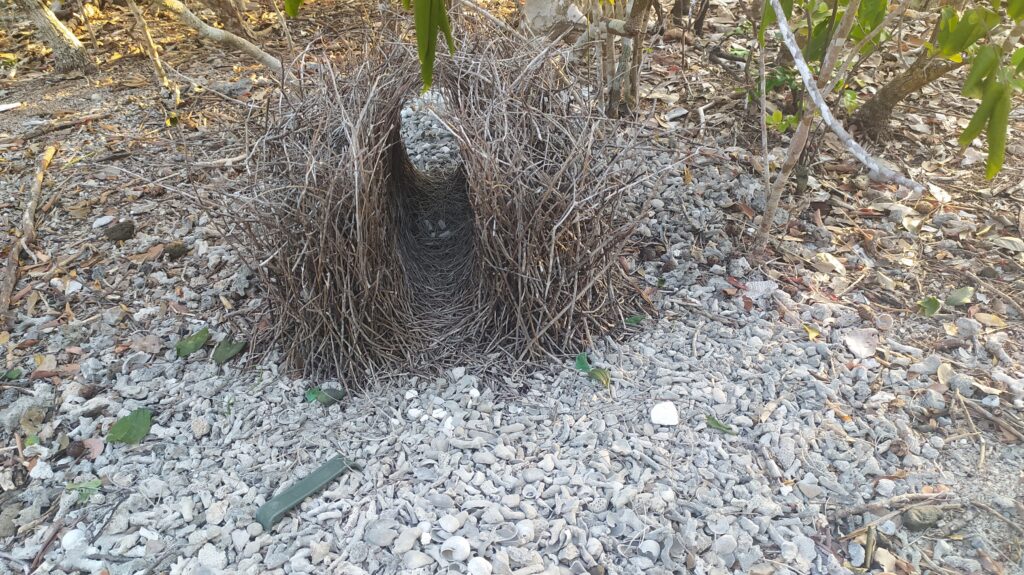
    Luckily, the bush provided a solution. I came across a broken bin nearby, with another loose handle. This time, I placed it near the second bower. The following day, it had been moved into the bower’s centre. My offering was accepted. I like to think both birds got to keep their prize in the end.

    A Remarkable Reset: Witnessing the Resilience of Bowerbirds

    After taking a break from the field, I returned to revisit the same bower I had observed weeks earlier — the one perfectly oriented to catch the sun’s rays just right. To my surprise, the entire structure had been rotated by 90 degrees. It was clear the original had been completely destroyed and then rebuilt from scratch. Witnessing this remarkable reset was a powerful reminder of the resilience and adaptability of these incredible birds. Nature’s creativity truly never ceases to amaze.

    Final Thoughts

    Australia is home to ten species of bowerbirds, each with their own quirks and decorating preferences. Some don’t maintain their bowers year-round, making them much harder to find, but I’m determined to photograph them all. The more time I spend out bush, the more I discover—and the more stories I have to share.

    This experience with the Great Bowerbirds has been a highlight in my journey as a wildlife photographer. These birds are not just clever—they’re creative, competitive, and captivating.

    I’ll be dedicating future blog entries to other bowerbird species as I encounter them, so stay tuned. If you enjoyed this read, make sure to check back, and feel free to reach out or share your own stories in the comments.

    Until then—happy birding.
  • Looking Back: My Favourite Bird Photos from 2019

    Looking Back: My Favourite Bird Photos from 2019

    2019 feels like a lifetime ago, yet it remains one of my most rewarding years as a nature photographer. I was fortunate to travel for work—and with my camera always by my side, I found myself in the right place at the right time, more than once.

    From the wild beaches of Tasmania to the towering rainforests of Papua New Guinea, here are some highlights from that unforgettable year—images that stir strong memories, capture rare moments, and tell stories I’ll never forget.

    Tasmania Adventures – Calm, Coastal, and Close-Up

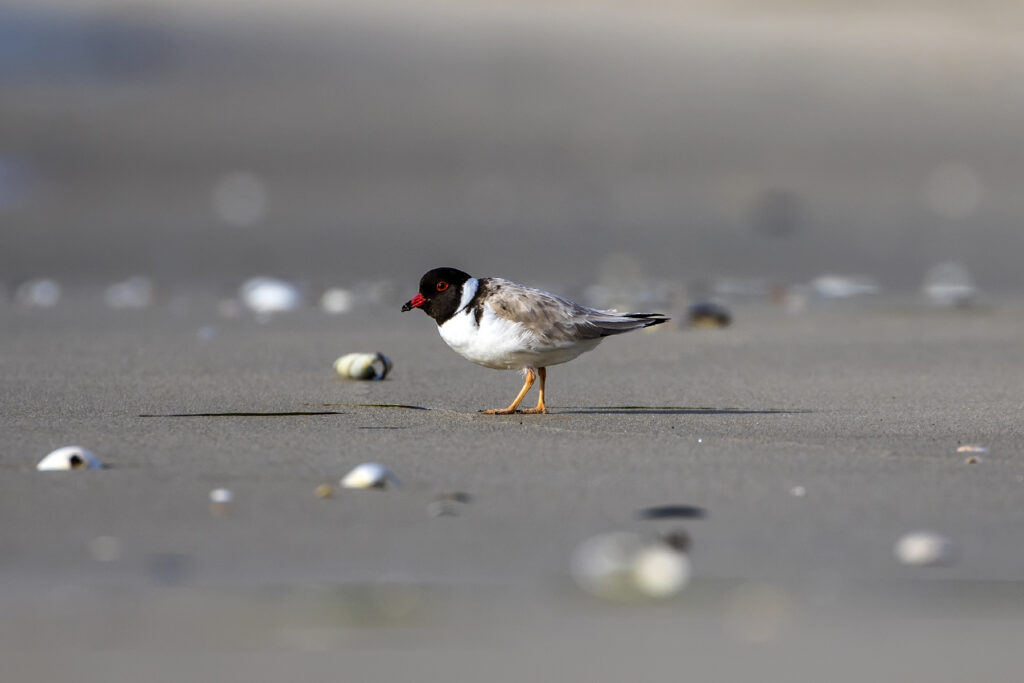
    Hooded Plover – Up Close with the Endangered

    In parts of mainland Australia, Hooded Plovers are endangered and notoriously hard to find. But in Tasmania—especially along its vast, untouched beaches—they were more common, yet just as captivating.

    I spent hours lying in the sand, camera ready, letting one bird get used to my presence. Eventually, curiosity got the better of it, and it wandered right up to me. A calm, intimate moment—exactly the kind I always hope to capture.

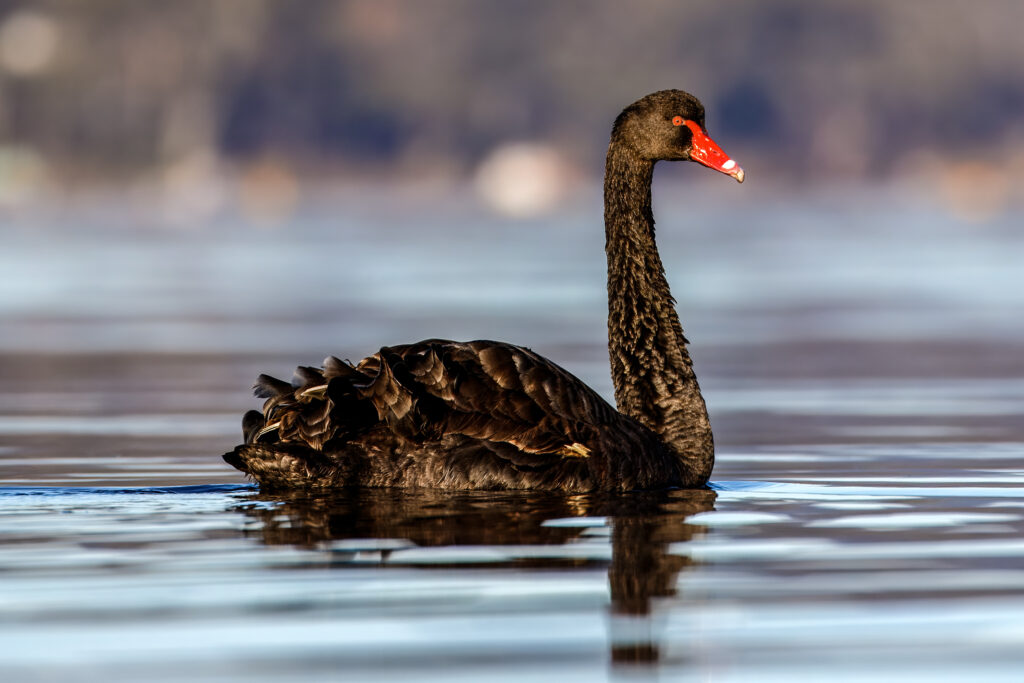
    Black Swan – A Peaceful Encounter in Margate

    Another memorable Tasmanian moment came in the quiet bays near Margate, where I spotted a Black Swan gliding through still water. Though the species is widespread, the setting and lighting made this image special to me—serene, minimal, and reflective in more ways than one.

    Northward Bound – Photographing Papua New Guinea

    After my time in Tasmania, I headed north to Papua New Guinea—and entered an entirely different world of birdlife. Towering trees, elusive species, and thick rainforest made every photo a challenge… and a thrill.

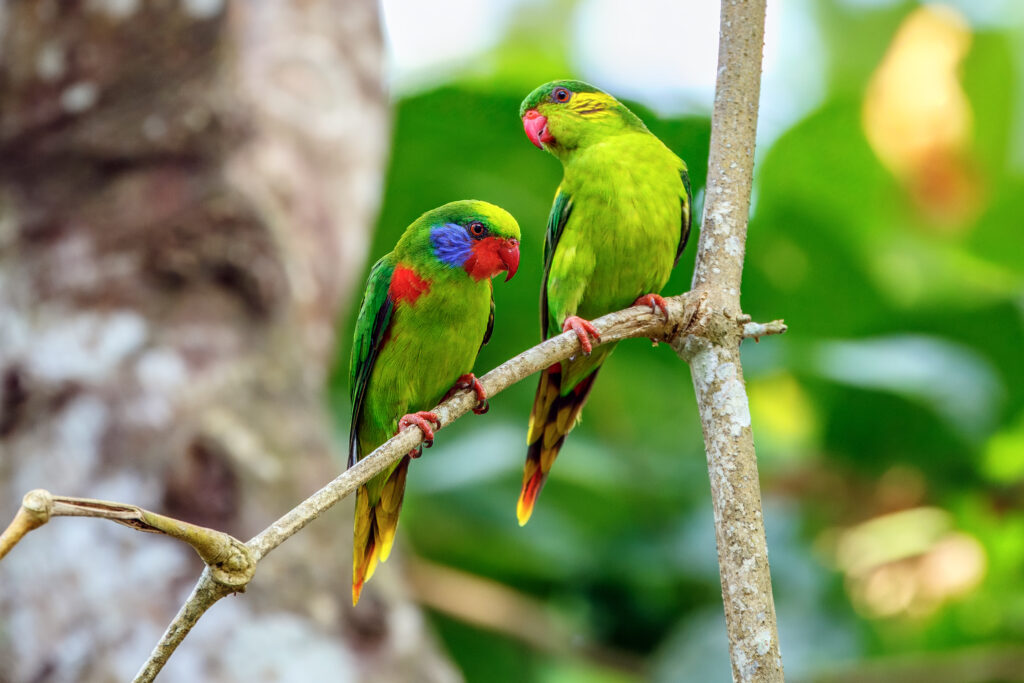
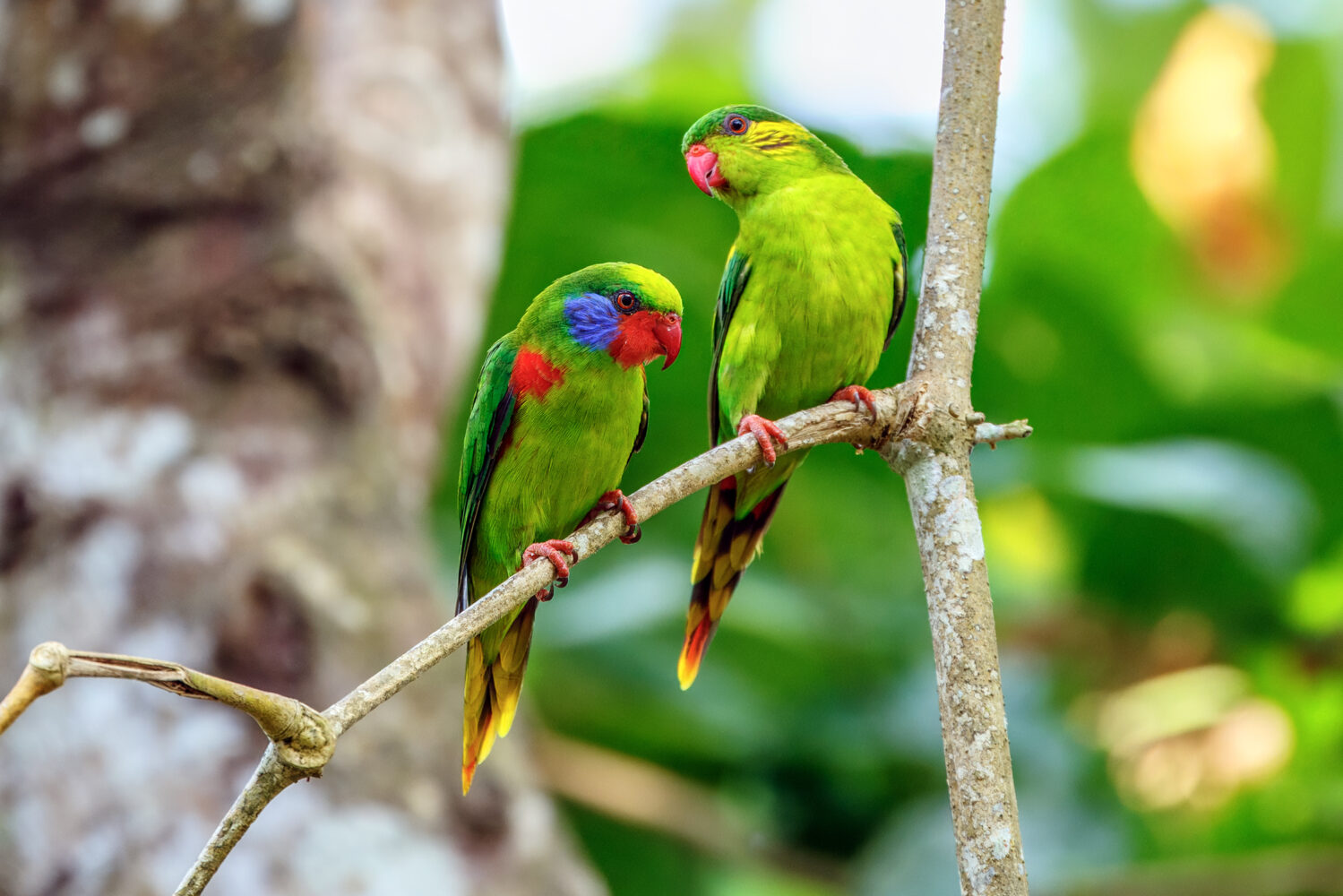
    Red-flanked Lorikeets – A One-Time Opportunity

    These colourful birds were not uncommon in PNG, but they almost always perched at the tops of the tallest trees—and believe me, the trees in PNG are tall! That made them difficult to photograph, until one lucky day when I found two lorikeets checking out a probable nest site at eye level. It was a rare opportunity—one I was never given again.

    This particular photo even inspired an artist to create a beautiful watercolour painting based on the scene. Moments like these remind me why I always carry my camera.

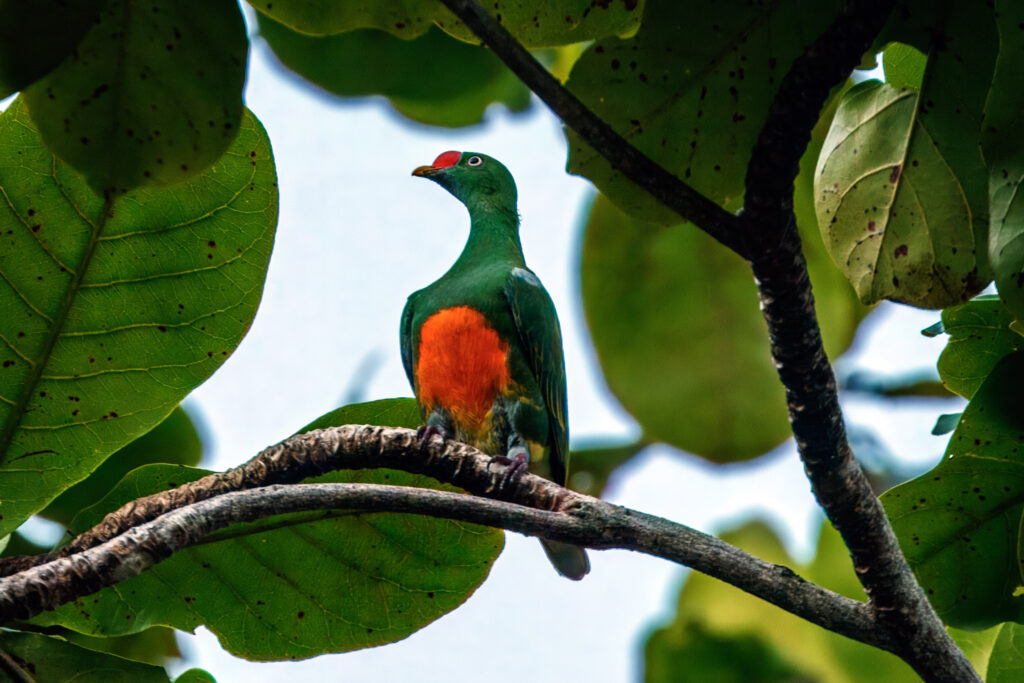
    Knob-billed Fruit Dove – A World-Class Find

    Now, this one truly was special. The Knob-billed Fruit Dove is so rarely seen that even Wikipedia uses an illustration for its species page. When I uploaded my photo to eBird, they chose it as the preview image for the species (they had to mirror it, of course, as eBird requires all birds to face right).
    You can see it here.

    At the time of my upload, I was one of only ten people in the world who had managed to photograph this elusive bird. It’s easily one of the rarest captures of my career.

    Common Kingfisher – Not So Common After All

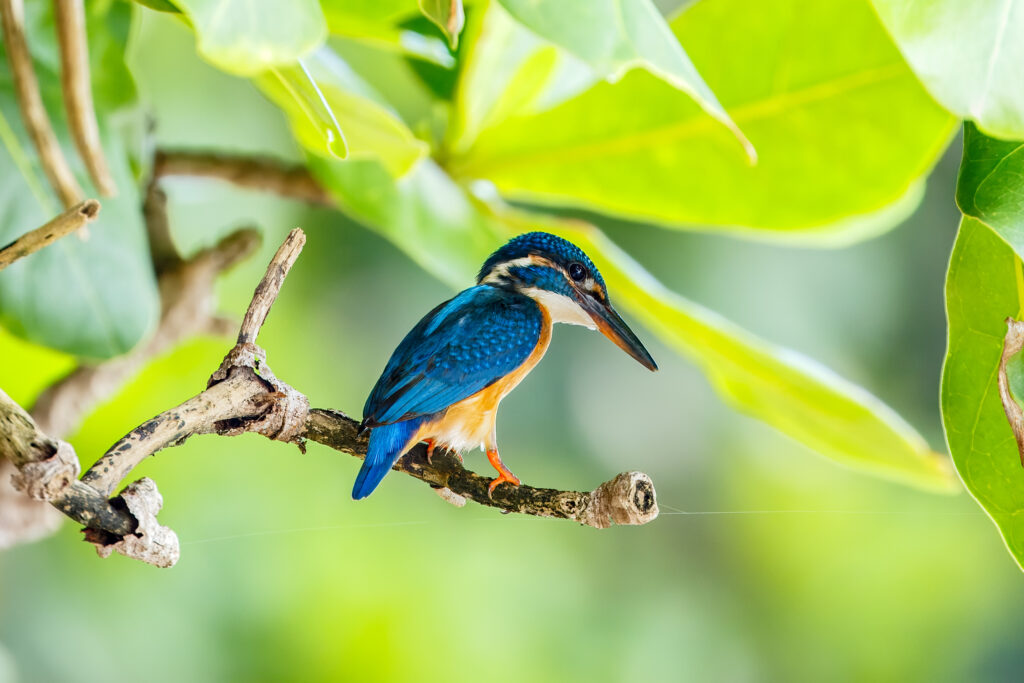
    Although it’s common in Europe, seeing a Common Kingfisher in PNG was a dream come true for an Australian photographer like me. It took several weeks of careful tracking before I was able to snap this image. The bird foraged along the beach and was incredibly wary—there was no way to approach it directly.

    Eventually, I managed to sneak up slowly and capture a few precious frames. A challenging but incredibly rewarding experience.

    Closer to Home – Birds Around My Local Area

    Not all great photos come from remote adventures. Some of my favourite captures from 2019 were taken close to home.

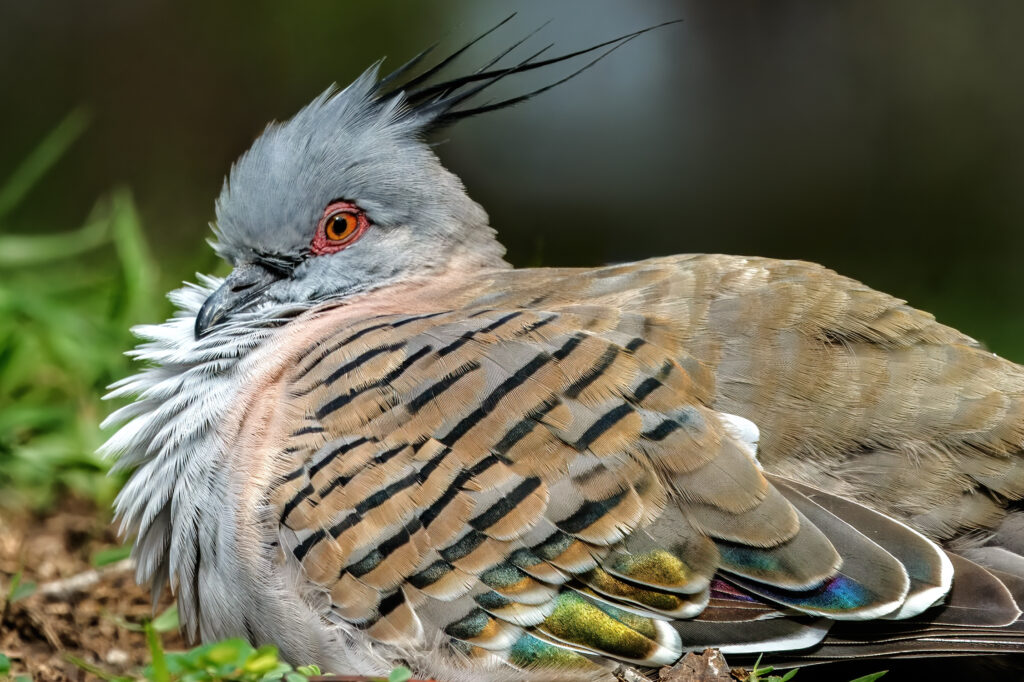
    Crested Pigeon – The Rain-Soaked Park

    This Crested Pigeon was resting peacefully in one of my local parks. Recent rain had soaked the background in vibrant greens and saturated colours, giving the image a lush, painterly feel. The bird was relaxed and comfortable with my presence—it almost felt like I was part of the family for the day.

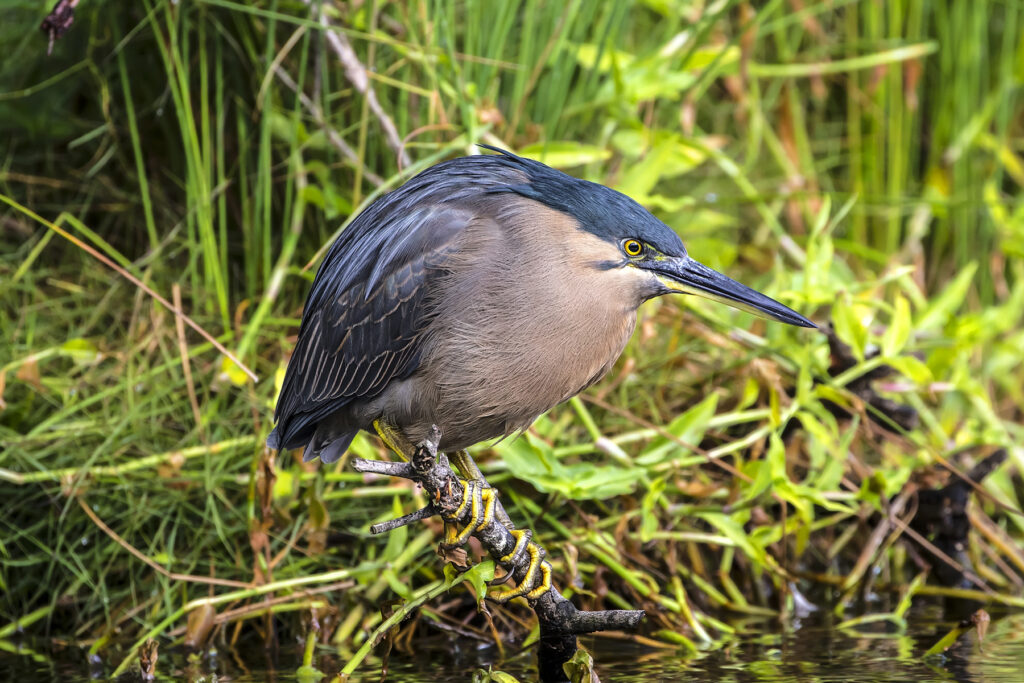
    Striated Heron – Focused and Fierce

    This final image is of a Striated Heron, totally focused on tracking fish from its perch. Its claws are tightly wrapped, muscles tense, and the messy background adds a sense of mystery and intensity to the scene. It was even chosen as Photo of the Day on eBird—a nice honour for a moment that I remember vividly.

    The Hard Lesson

    I was planning to include more photos in this post, but as I was going through my hard drive… it decided to pack it in. I’m still hopeful that the images aren’t lost and can be recovered, but if there’s one takeaway—it’s the importance of backing up your photos. A lesson learned the hard way.

    I’d love to hear which photo or story resonated with you the most. Let me know in the comments below—and thank you for taking the time to revisit 2019 with me.

    Links to other years

    2020; 2021; 2023

  • Fleeting Moments: Photographing Zebra Finches in the Aussie Outback

    Fleeting Moments: Photographing Zebra Finches in the Aussie Outback

    Interesting Facts

    Small in size but big in personality, the Zebra Finch (Taeniopygia guttata) is one of Australia’s most iconic and well-studied birds. Native to the arid and semi-arid regions of the mainland, these lively little finches are instantly recognisable by their striking black-and-white striped throats, orange cheeks (in males), and cheerful chirping calls. Despite their delicate appearance, Zebra Finches are remarkably resilient, thriving in some of the harshest environments on the continent. They’re also famous in the scientific world for their role in research on vocal learning — much like humans, young male Zebra Finches learn to sing by mimicking older males, making them a fascinating subject in both the wild and the lab. Whether flitting through the spinifex or perched on a fence wire, they’re a charming sight and a delight to photograph.

    Behaviour Insights

    Zebra Finches are social, active birds that live in flocks and rarely stray far from one another. Their social structure and constant communication make them an engaging subject for photographers who enjoy capturing interaction and movement. You’ll often spot them foraging on the ground in small groups, hopping about in search of seeds — their primary diet in the wild.

    One of the most fascinating behaviours to observe is their complex courtship rituals. Males puff out their chests, bob up and down, and sing intricate songs to impress potential mates. These displays often include fluttering dances and offering bits of nesting material. Once paired, Zebra Finches form strong monogamous bonds and are known for their cooperative nesting efforts. Both parents share incubation duties and take turns feeding their chicks — a lovely dynamic to photograph if you’re lucky enough to find an active nest.

    Another notable trait is their adaptability. Zebra Finches have a remarkable tolerance for heat and can survive extended dry periods, making them a symbol of resilience in the Australian outback. Their ability to breed opportunistically — often within days of rainfall — allows them to take advantage of brief resource-rich windows, even in seemingly barren landscapes.

    Habitat and Range

    In the wild, Zebra Finches are widespread across mainland Australia, particularly in inland and semi-arid zones. They prefer open grasslands, scrublands, and savannahs, often near water sources, but are just as likely to be found in agricultural areas, roadside verges, and even urban fringes. Their adaptability to different environments makes them one of the most successful native bird species on the continent.

    While they aren’t typically found in the dense coastal forests or tropical far north, they thrive in dry habitats where spinifex grass, acacias, and scattered eucalyptus trees provide food and shelter. Nests are usually built in shrubs, low trees, or even man-made structures such as fence posts and sheds. Their use of artificial habitats has contributed to their range expanding in some regions.

    For photographers, early morning and late afternoon are ideal times to spot Zebra Finches when they’re most active and lighting is soft. Look for them around waterholes or perched on low branches, chirping energetically. Their fast, erratic flight and quick movements on the ground can be challenging to capture, but with patience and a good telephoto lens, they make for delightful photographic subjects.

    When Finches Allow a Closer Look

    Photographing Zebra Finches is never as simple as just pointing the lens and clicking away. These tiny, energetic birds are constantly on the move, and while one might boldly perch in full view, the rest of the flock will be watching — always alert. The moment I get a little too close, they vanish into the nearest bush in a flash of wings and soft chatter. I’ve learnt over time that the best chance of approaching them is when they’re comfortable — either eating, preening, or singing. These are moments when they’re content, their happiness briefly outweighing the minor disturbance of a curious photographer edging closer. On the day I captured these shots, I found them early in the morning, gathered noisily near a waterhole, rehydrating after a hot desert night. It was an absolute joy to watch them arrive in flocks, jostling for position, fluttering about and pausing in beautiful poses. Their individual personalities shone through in the little dramas and quiet interactions between them. Below is a collection of my best images from that magical morning — a window into the fast-paced yet intricate world of the Zebra Finch.

  • Hunting Dew: A Close-Up Encounter with Sundews

    Hunting Dew: A Close-Up Encounter with Sundews

    Fascinating Facts About Sundews


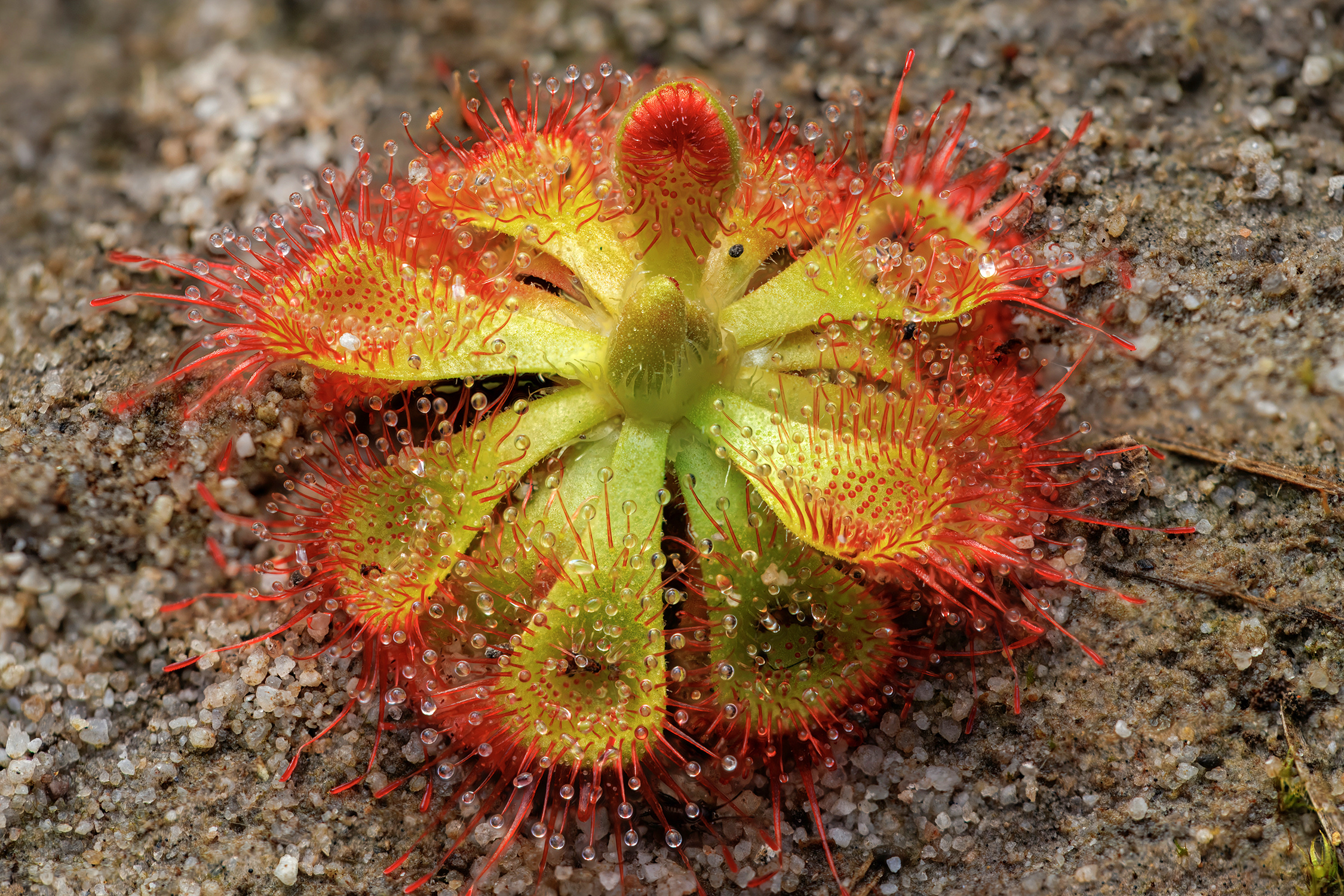
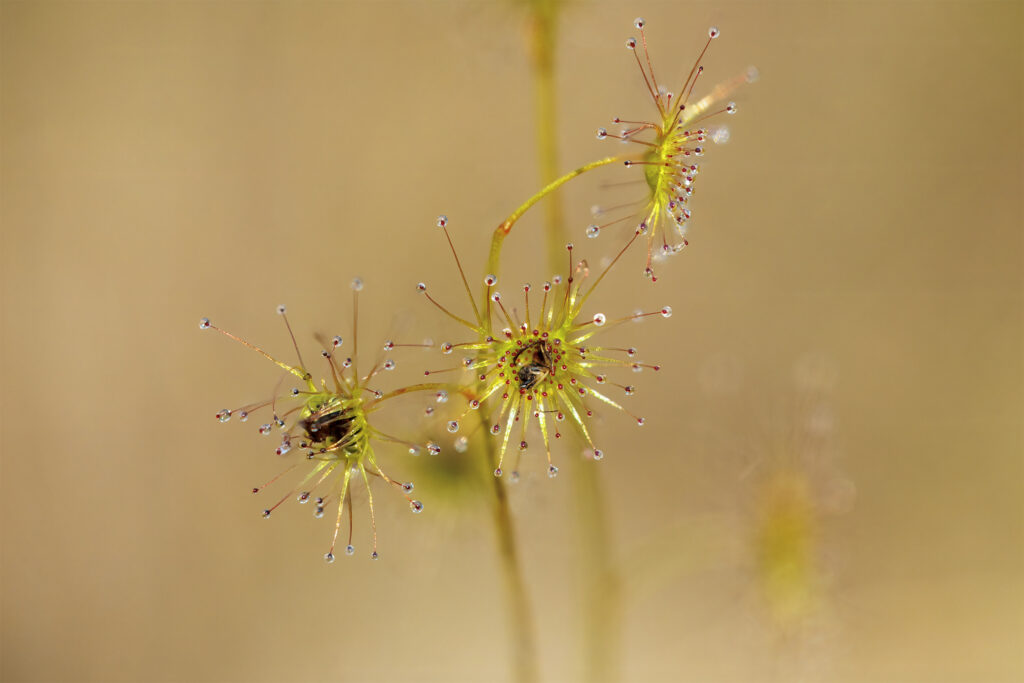
    Sundews (genus Drosera) are some of the most intriguing and otherworldly plants found in Australia’s wild places. These carnivorous plants have evolved sticky, glistening leaves covered in glandular hairs tipped with mucilage — what looks like morning dew is actually a cunning trap. This “dew” lures insects in, only for them to become stuck and digested by the plant for essential nutrients, particularly in the nutrient-poor soils where sundews often grow.

    Australia is home to the greatest diversity of sundews anywhere in the world, with over 100 native species. They range in form from tiny ground-huggers to taller, upright varieties, often hiding in plain sight among grasses and heathland.

    Tiny But Deadly: Why I Turned My Lens on Sundews

    Since adding a macro lens to my kit, I’ve been drawn to subjects that are both small and unique — and sundews tick both boxes in spades. But finding them? That was another story entirely.

    After some local research, I came across a report mentioning that sundews were growing only 15 minutes from home. That was all the motivation I needed. I packed my gear and set out the very next day, eager for a macro adventure.

    The first hour wasn’t easy. I had only a rough idea of the habitat they preferred and no clue what size I should be looking for. After a 2km hike, I finally found the first one. The moment of discovery was almost comical — I’d likely walked over dozens before spotting one. They’re extremely low to the ground, with their round, sticky leaves blending perfectly into the grassy environment.

    Through the Lens: Photographing Carnivorous Jewels

    Once I knew what I was looking for, I spotted them everywhere. I discovered two distinct species during the shoot — one was short and rounded, hugging the soil, while the other stood tall on delicate stems with tiny leaves dotted along them.

    Using maximum magnification, I focused in on the intricate detail of the leaves, each covered in glistening droplets. At the time, I couldn’t tell whether they had any insects caught, but the detail revealed in the photos was reward enough. Only later, while reviewing the images on a larger screen, did I realise I had captured a tiny sundew in the process of digesting its prey — a fascinating and unexpected bonus.

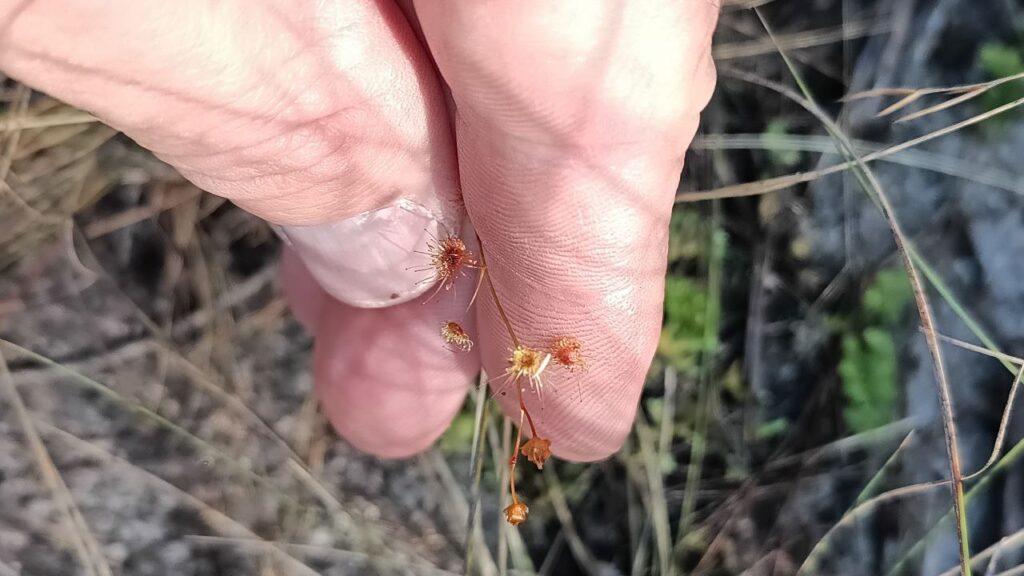
    In one frame, I included my fingers for scale — and it’s staggering just how small these plants are. You’d never expect something so small to be such an efficient predator.

    Sundews are best photographed in the early morning. As the sun rises, the dew drops begin to dry off, so that first light is your window for capturing them in their full, glistening glory.

    Tips for Capturing the Best Sundew Shots

    • Shoot early: The dew drops begin to vanish as the temperature climbs.
    • Look closely: At first glance, they’re nearly invisible. Patience and careful scanning are essential.
    • Try stacking: Focus stacking can produce stunning detail, especially with a macro lens.
    • Think abstract: Even fragments of the plant — or a single dew-laden tentacle — can make for a striking composition.
    • Play with light: The droplets reflect sunlight beautifully, adding natural sparkle and colour to your shots.

    Final Thoughts

    Photographing sundews wasn’t just about capturing their alien beauty — it was also about learning to slow down and observe the tiny dramas unfolding underfoot. In a world obsessed with the big and the bold, these micro predators remind us that some of the best stories in nature are written in miniature.

    If you’re into macro photography and looking for your next subject, don’t overlook what’s beneath your boots. You might just find yourself walking on a wonderland.

  • Chasing Waterfalls: A Family Hike Through O’Reilly’s Rainforest Wonders

    Chasing Waterfalls: A Family Hike Through O’Reilly’s Rainforest Wonders

    Nestled within the Gondwana Rainforests of Lamington National Park in southeast Queensland, O’Reilly’s is a treasure trove of natural beauty. This World Heritage-listed area boasts ancient Antarctic beech trees, rare wildlife, and a seemingly endless network of rainforest trails. For anyone with a passion for nature and photography, it’s a place where every step offers a new scene waiting to be captured.

    Getting to this part of the world is an adventure in itself. From where we live, it’s about a two-hour drive, including a winding hour-long stretch through mountain roads. Over the years, we’ve visited O’Reilly’s a handful of times, but never quite made it far enough into the trails to see the waterfalls—until now.

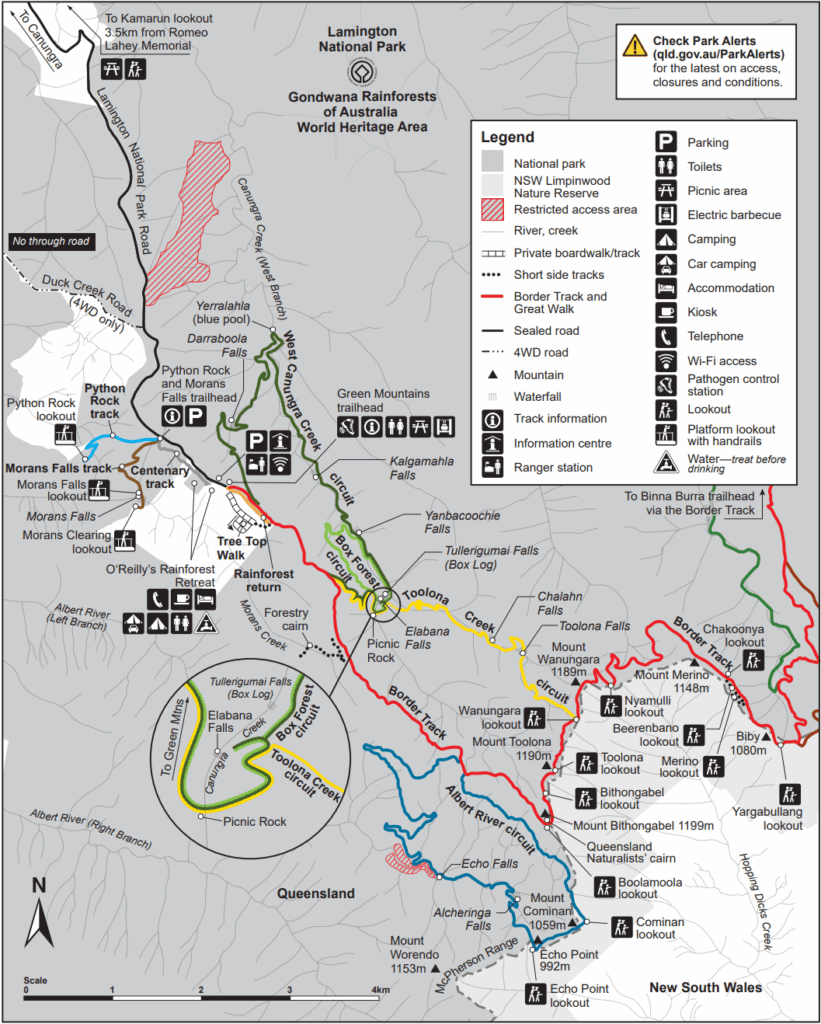
    On this trip, I set out with my two sons to explore a 13-kilometre loop that took us to five spectacular waterfalls over the course of five hours. It was our first time completing this hike, and the experience exceeded all expectations.

    Here’s a look at each of the waterfalls we visited, in the order we reached them:

    🌿 1. Elabana Falls
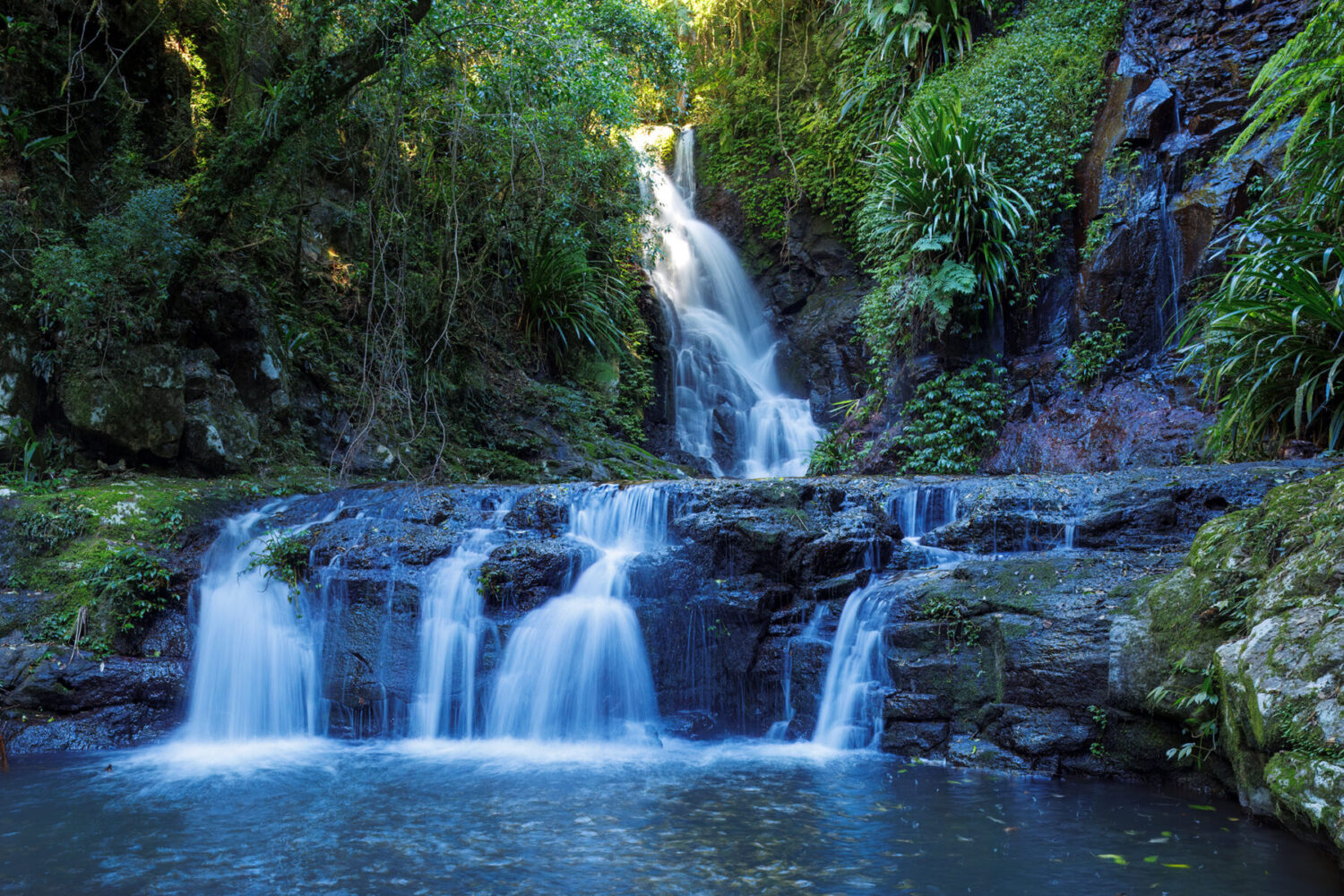
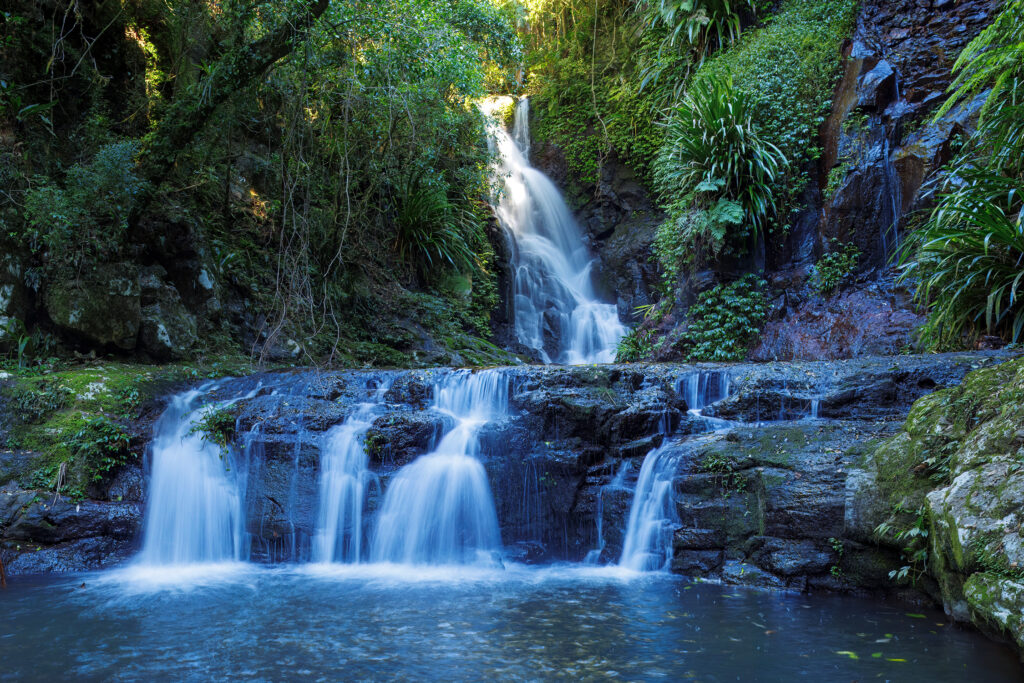
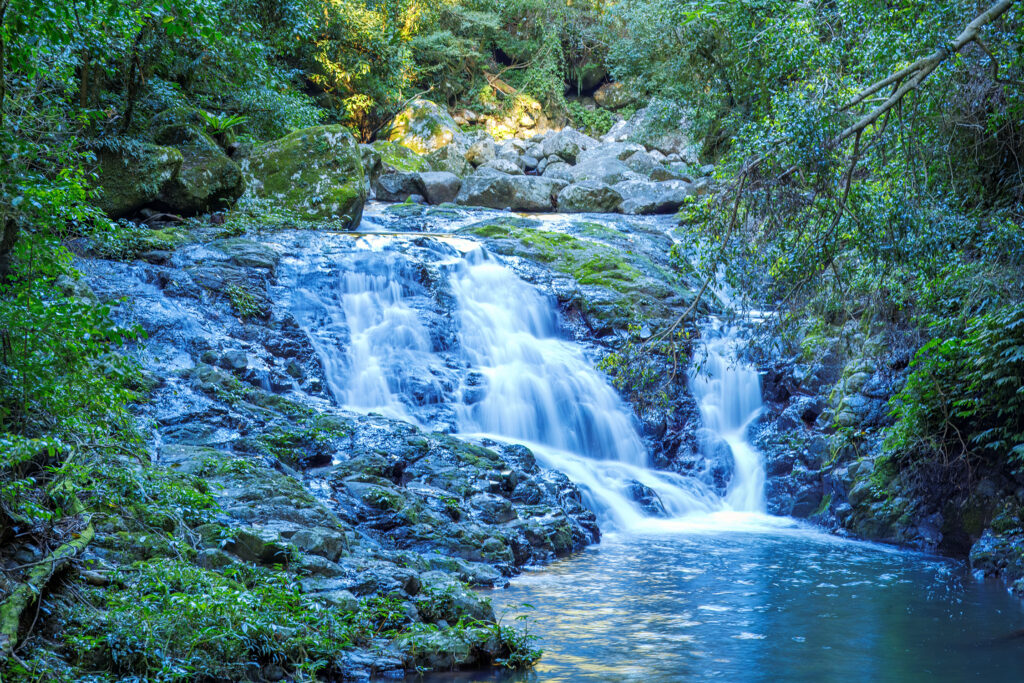
    Elabana Falls is, without doubt, the jewel of this trail—and my personal favourite. The falls cascade gracefully over a series of moss-covered ledges into a serene rock pool below. Surrounded by ancient rainforest and accessible via the popular Box Forest Circuit, Elabana has a fairy-tale quality that makes it one of the most photographed spots in Lamington. The light filtering through the canopy above creates an ethereal atmosphere, especially in the early morning.

    This is a place where time seems to slow. We spent the longest here, trying to capture the perfect long exposure shot of the water as it veiled over the rocks. A must-see for any nature lover or photographer.

    🌿 2. Chalahn Falls
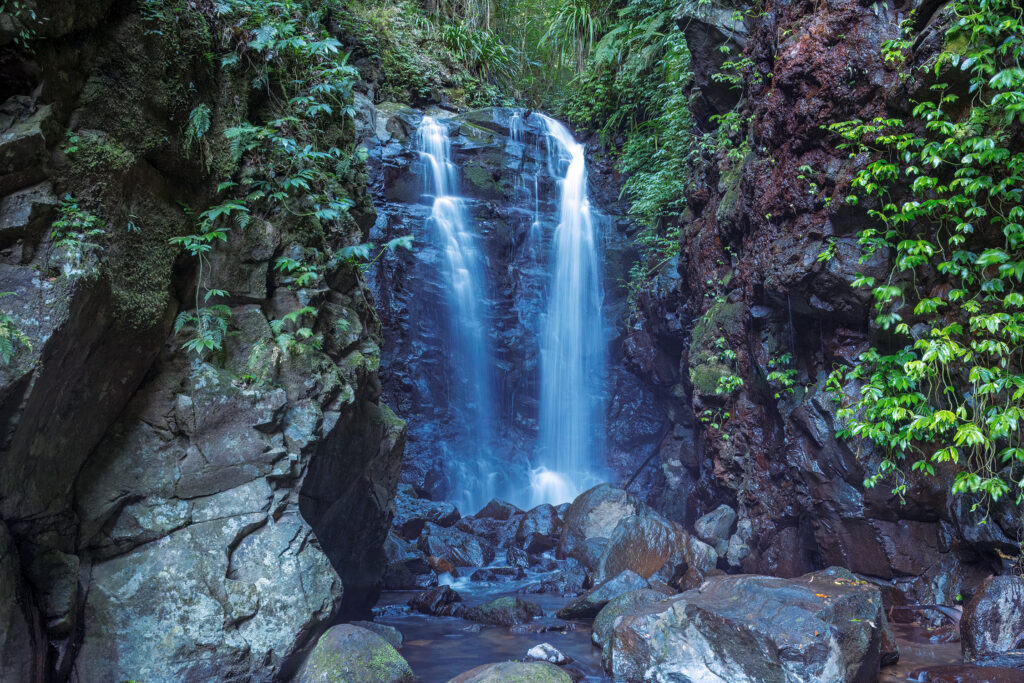
    Just a short hike further, Chalahn Falls offers a striking contrast. These falls are taller and more dramatic, plunging vertically down a dark cliffside wrapped in vines and ferns. The surrounding rainforest is particularly dense here, creating a mystical, enclosed feel. The track narrows and becomes more rugged as you approach, giving the waterfall an almost secretive allure.

    The water plunged steadily over the rock face during our visit, framed by lush ferns and hanging vines. Although it was our first time seeing Chalahn Falls, it was every bit as beautiful as we’d hoped. The dense greenery and dappled light created a moody, atmospheric setting that made it a great spot for photography.

    🌿 3. Toolona Falls
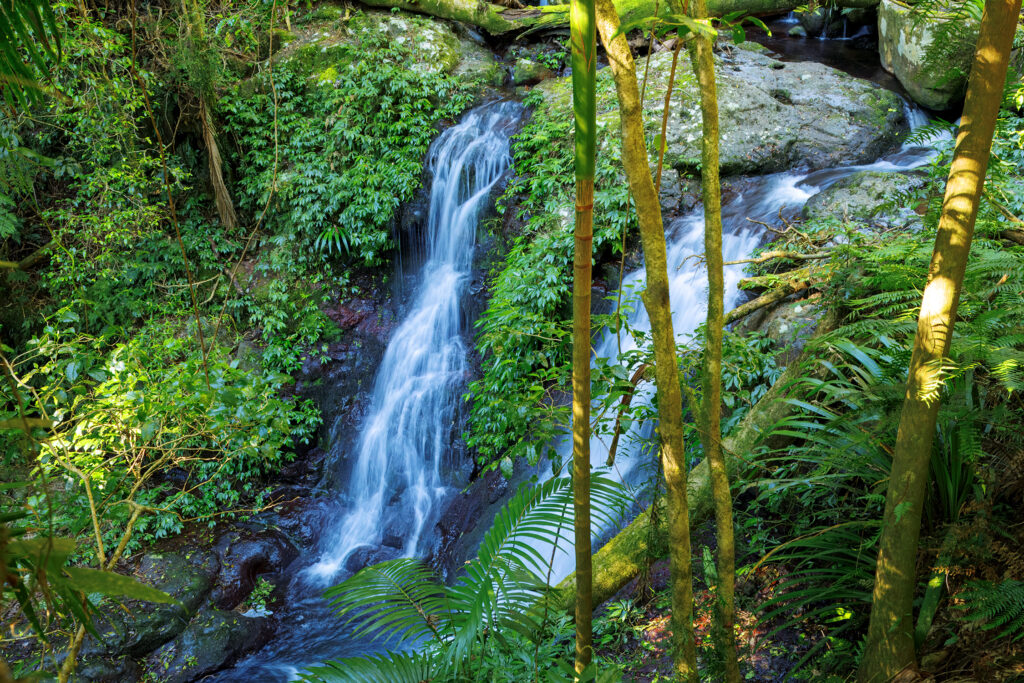
    Toolona Falls is where the trail really comes alive with the sounds of rushing water and bird calls echoing through the forest. These falls spill down in a single, wide curtain and are set deeper into the heart of the park. The path here is wetter and more slippery, so good boots are essential.

    Toolona has a wild, untouched character that’s hard to beat. It’s also the perfect spot to pause for a snack and just soak in the sights and sounds of the rainforest.

    🌿 4. Box Log Falls
    Box Log Falls offers a beautiful reward for those willing to follow the winding trail along West Canungra Creek. These falls are broad and tall, tumbling over black volcanic rock surrounded by lush palms and towering trees. The nearby log bridge and stepping stones add a sense of adventure.

    The area is also rich in birdlife—whipbirds and bowerbirds accompanied us here, making it a fantastic stop for both photographers and young explorers.

    🌿 5. Yanbacoochie Falls
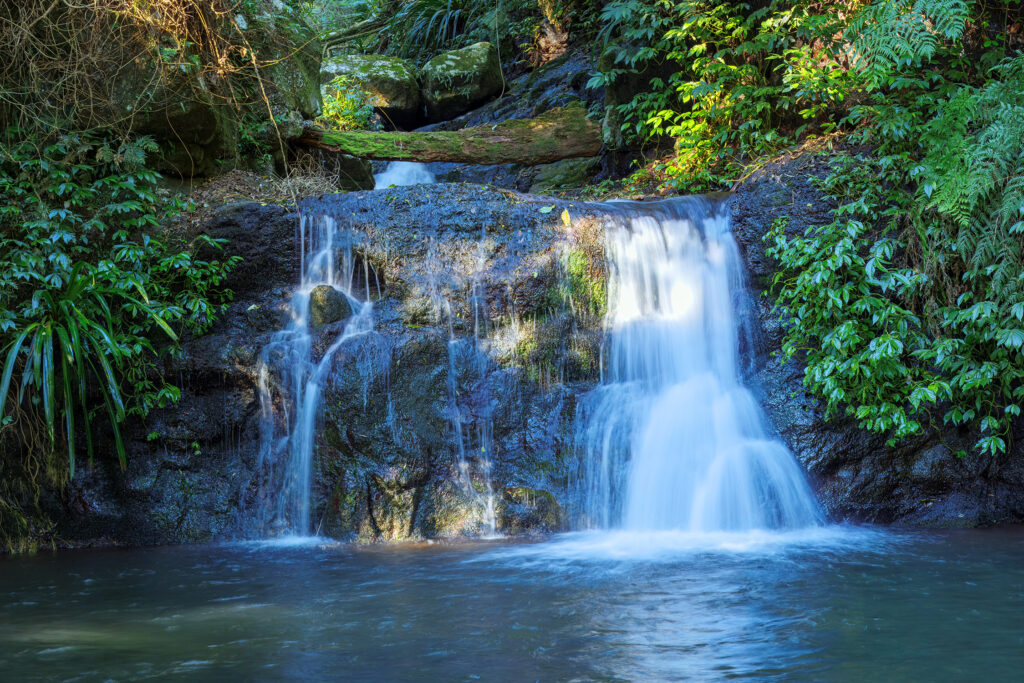
    Our final stop was the lesser-known but equally enchanting Yanbacoochie Falls. Though not as tall or dramatic as the others, it has a quiet charm. The water slides over smooth rocks into a small pool tucked into the forest. It feels more remote, and we had it entirely to ourselves—a perfect way to end the hike.

    There’s a serenity to this spot, a kind of whisper from the rainforest. It’s one of those places that rewards the effort it takes to find it.

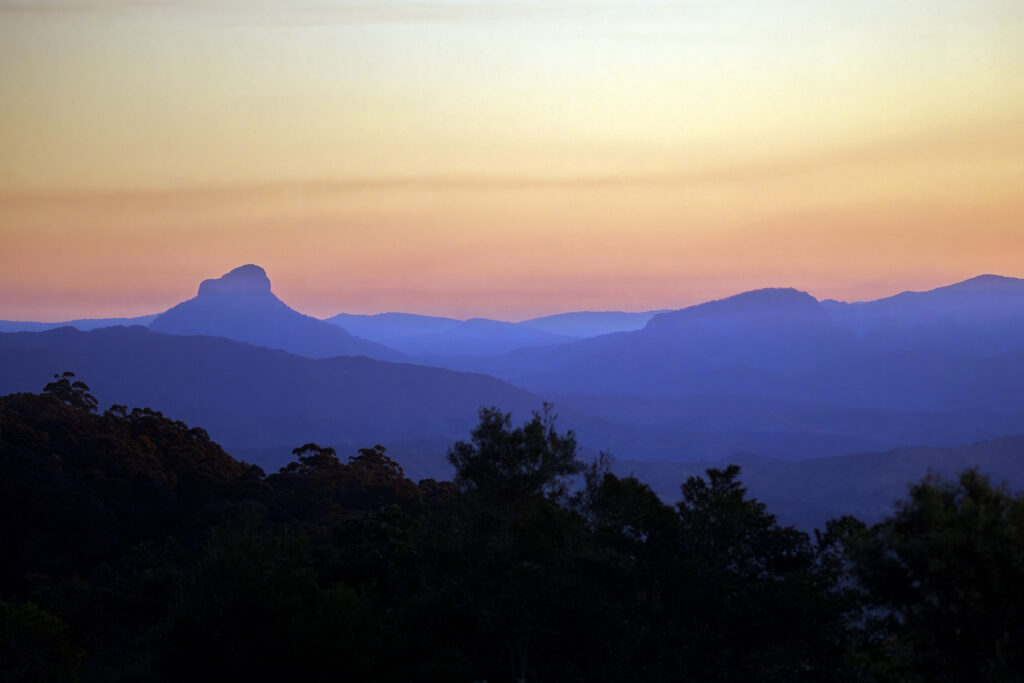
    After we wrapped up the walk, a bit tired but buzzing with excitement, we stayed to watch the sunset paint the sky behind the distant mountain ranges, casting a stunning layering effect over the landscape.

    Of all the waterfalls we visited, Elabana Falls stood out to me as the most breathtaking. There’s something truly magical about the way it cascades gently over the mossy rocks, surrounded by the dense, green rainforest. It was a spot I could have stayed at for hours, just soaking in the stillness and beauty. Each of the five waterfalls has its own charm, though—and I’d love to hear what you think. Based on the photos I’ve shared, which one is your favourite? Let me know in the comments below!

  • Jewels of the Bush: My Encounters with Australia’s Fairywrens 🐦

    Jewels of the Bush: My Encounters with Australia’s Fairywrens 🐦

    As a wildlife photographer, few birds enchant me quite like the fairywrens. They’re small, quick, and full of personality—flitting about in a blur of blues, reds and soft earth tones. Capturing them through the lens is a challenge I never tire of, and in this article, I want to share five of my favourite species I’ve had the joy of photographing in the wild.

    Tiny Comedians of the Bush

    Before I dive into the individual species, let me tell you a bit about fairywrens in general. These birds are bursting with energy, constantly on the move—darting between twigs, bouncing through grass, and flicking their tails upright like tiny peacocks. Despite their bold colours, they’re not always easy to spot. They’re some of the smallest birds in Australia, weighing just 8 to 13 grams—about the same as a $2 coin.

    Fun Facts

    • Male fairywrens sing to eggs before they hatch—scientists think it helps chicks recognise their parents’ calls.
    • Fairywrens are cooperative breeders—offspring from previous years often stay around to help raise their younger siblings.
    • They have surprisingly large brains for their body size, which helps with their complex social lives.
    • Fairywrens live in tight-knit family groups, with one male often surrounded by a harem of several females and juvenile helpers. They’re incredibly social and seem to gossip nonstop in high-pitched chatter. Photographing them is like trying to snap a photo of a ping-pong ball in a wind tunnel—but that’s part of the fun.
    • And here’s a cheeky fact: male fairywrens are notorious flirts. During breeding season, they’ve been known to pluck bright flower petals and present them to females as part of their courtship rituals. It’s the bird equivalent of showing up with a bouquet.

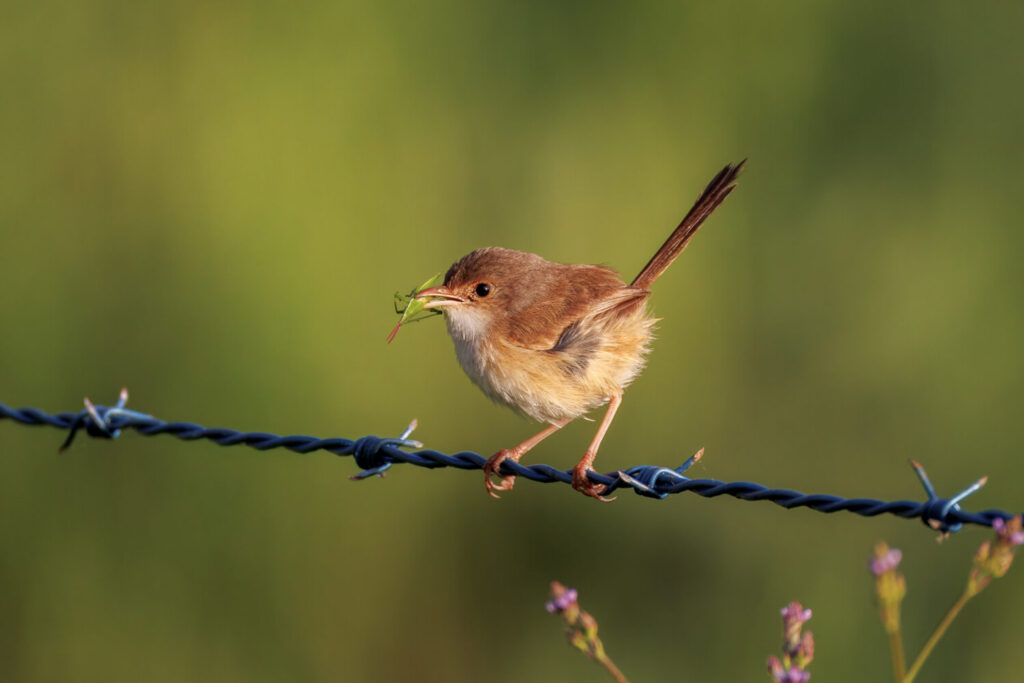
    🐦Red-backed Fairywren (Malurus melanocephalus)

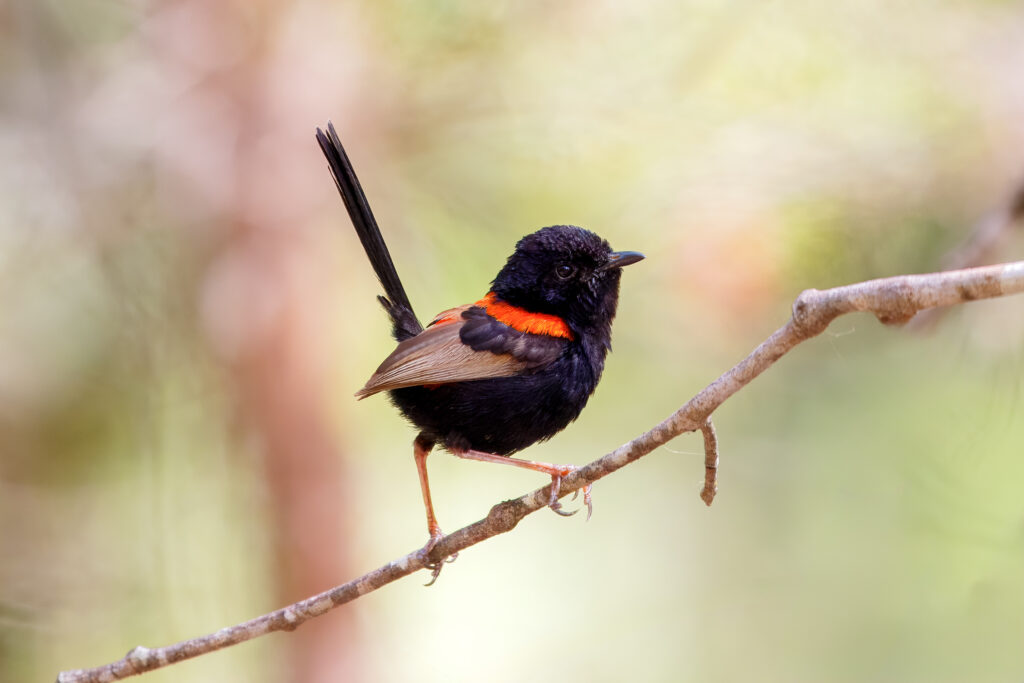
    Red-backed Fairywren

    Male

    Red-backed Fairywren

    Female

    I came across this pair of red-backed fairywrens in the grasslands of northern Queensland. The male, in the first image, looks like a spark in motion—jet-black plumage set off by that brilliant crimson patch across his back. He was darting from stalk to stalk, tail cocked, putting on a bold display.

    The female, shown in the second image, was nearby and much harder to spot. Her warm, cinnamon-brown feathers let her disappear into the dry vegetation—a perfect example of nature’s camouflage at work. Despite the differences in appearance, they moved as a pair, calling softly to one another as they foraged.

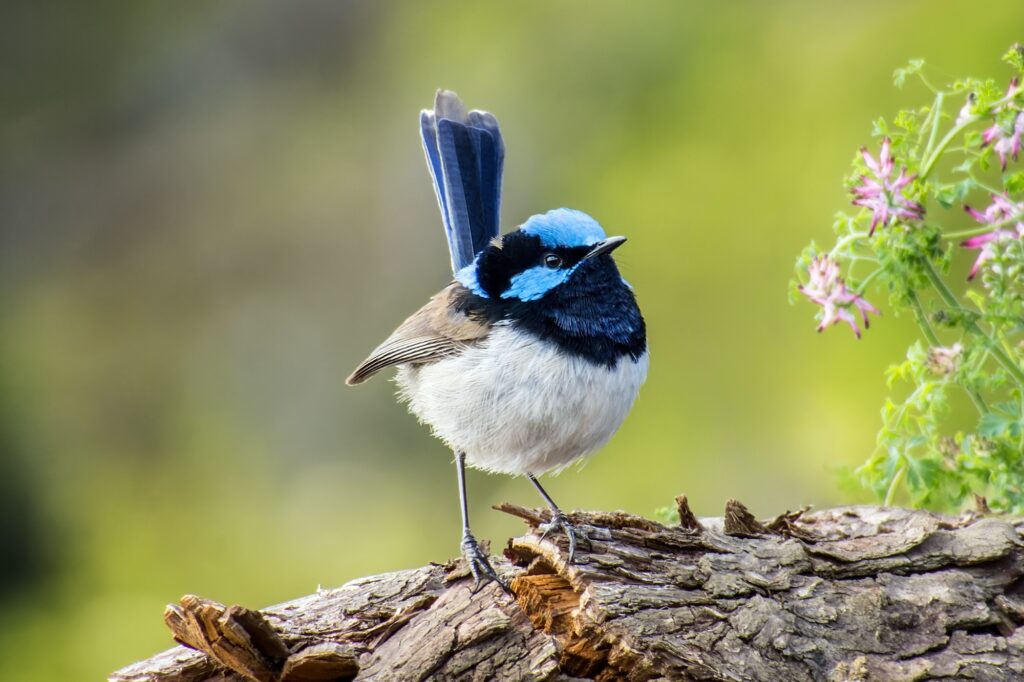
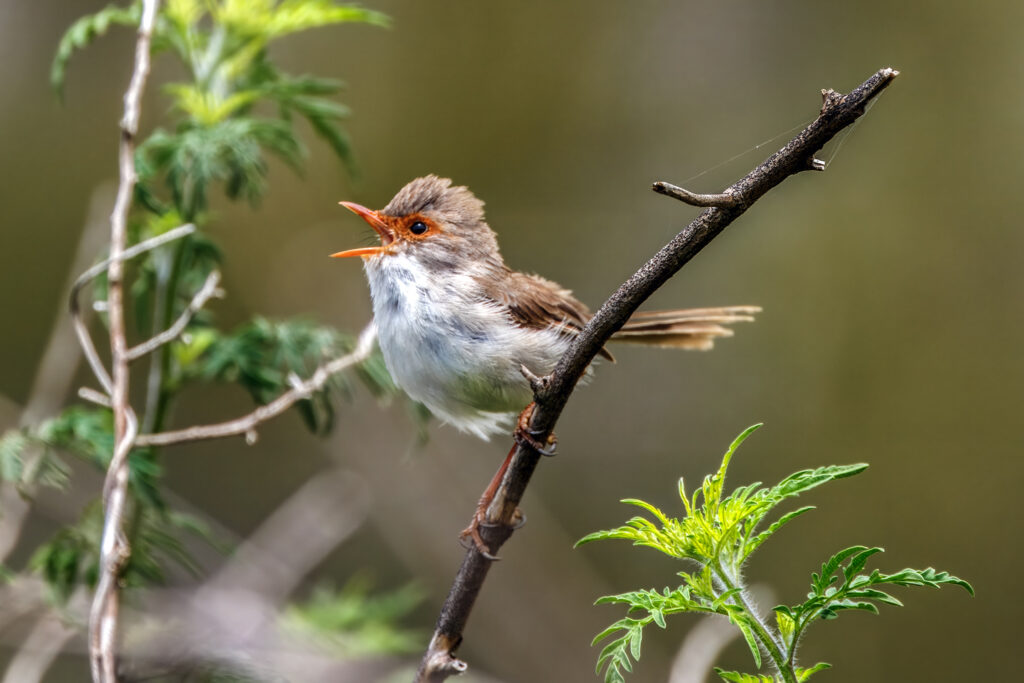
    🐦Superb Fairywren (Malurus cyaneus)

    Superb Fairywren

    Male

    Superb Fairywren

    Female

    In the above image, a male superb fairywren stands proudly amongst a burst of wildflowers. That vivid cobalt blue never fails to catch the eye—especially when set against the delicate petals of native blooms. His upright tail, cocked like a tiny banner, is typical of the species and part of what makes them so endearing to watch (and photograph!).

    Although they look regal, they’re full of mischief—often seen bouncing around your ankles in campsites or picnic areas, barely stopping long enough for a photo. I spent a good half hour following this one as he zipped from bloom to bloom, his tail flicking constantly like he had something to prove.

    But don’t let their tiny size and sweet songs fool you — fairy-wrens have scandalous secrets. Female superb fairywren, while males strut around in their dazzling electric-blue plumage to woo a mate, females are quietly rewriting the rules of bird relationships. Despite forming long-term pair bonds, many females sneak off to mate with other, often flashier males. The result? A nest full of chicks that may look nothing like the loyal partner helping to feed them. It’s the avian version of a daytime soap opera — complete with drama, deception, and a surprisingly progressive approach to parenting. In the world of wrens, fidelity is optional, but teamwork is everything.

    🐦Purple-backed Fairywren (Malurus assimilis)

    Male and female Purple-backed Fairywren playfully perched on a branch

    This next moment was a delight to witness. A pair of purple-backed fairywrens, playfully perched on a thin branch, seemed almost to pose for the shot. The male, with his subtle violet sheen, moved with a mix of elegance and energy. The female, less flashy but just as cheeky, kept close by.

    These birds are great fun to watch—they’re full of curiosity, often hanging upside-down from a twig or bouncing between branches like feathered acrobats. They never sit still for long, and that’s half the challenge when photographing them.

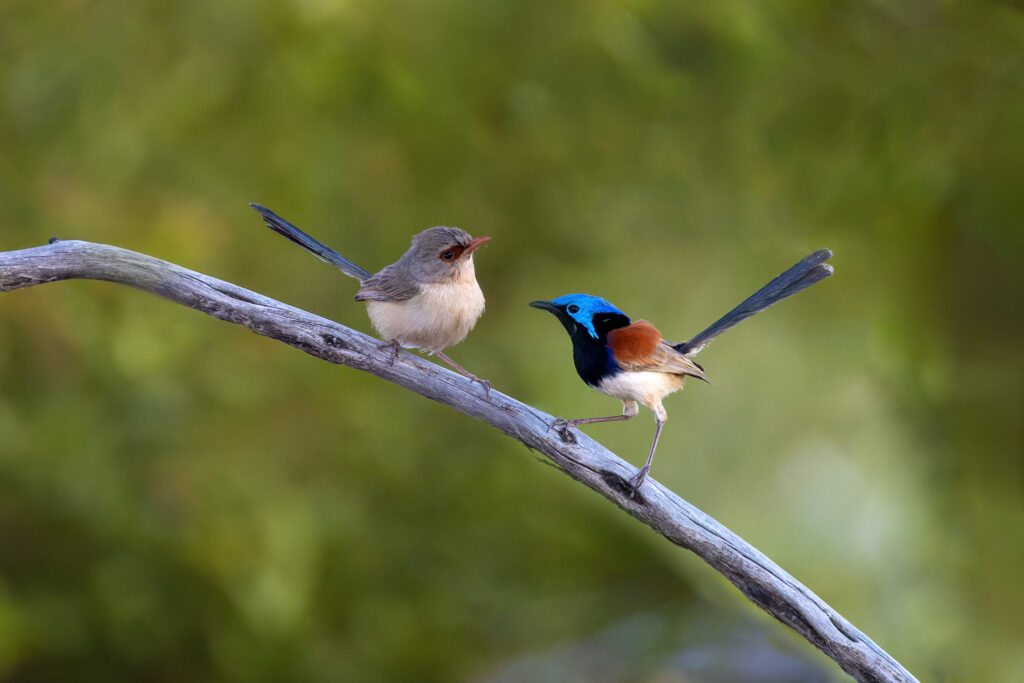
    🐦Variegated Fairywren (Malurus lamberti)

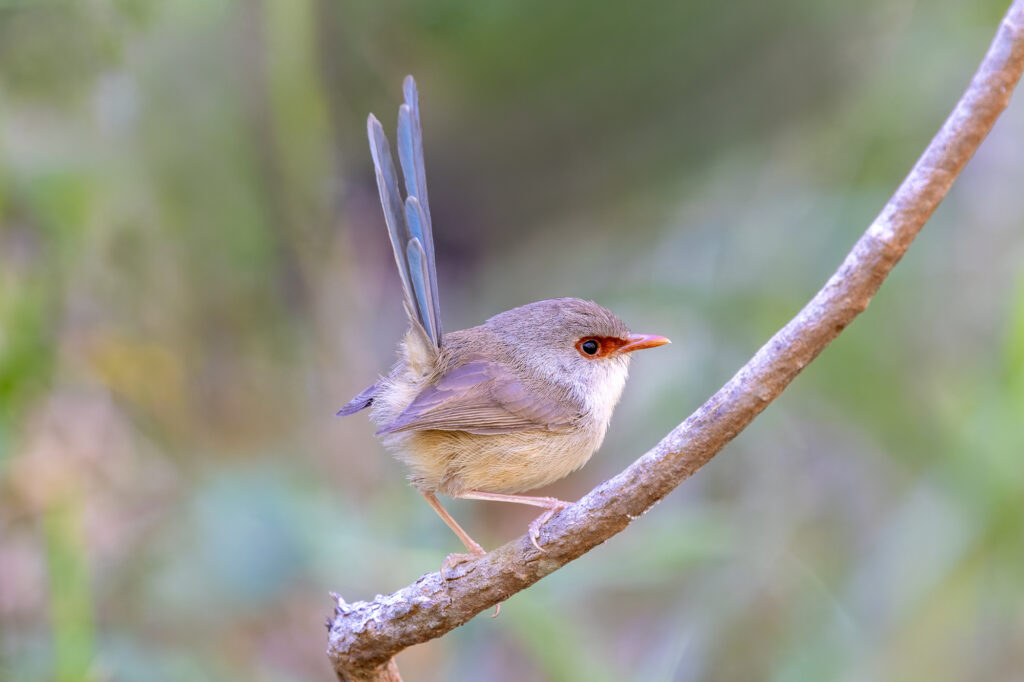
    Variegated Fairywren

    Female

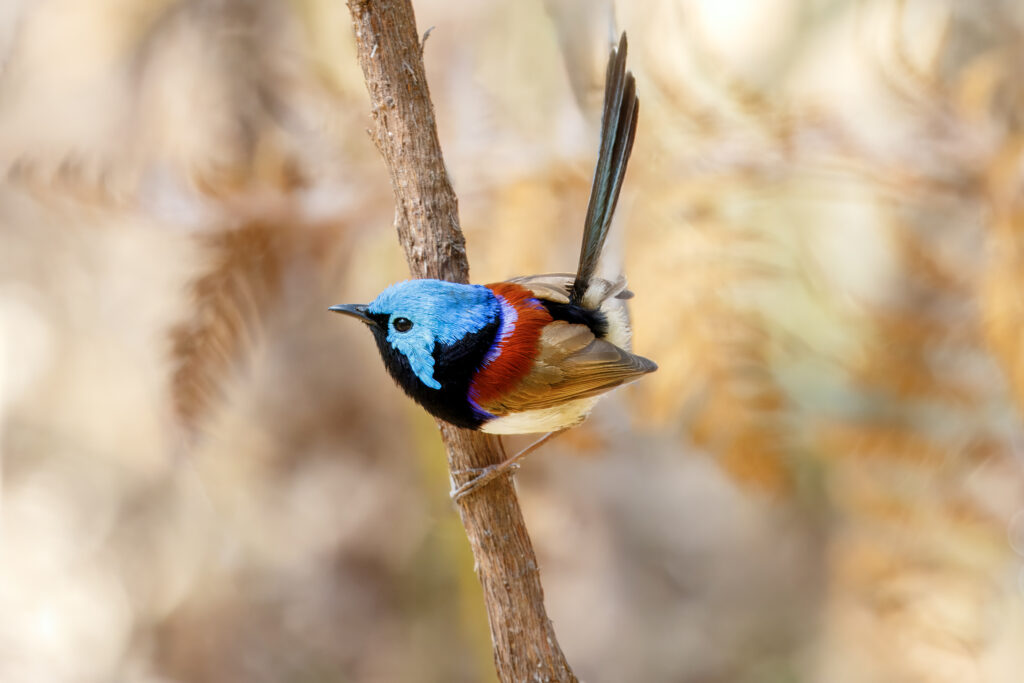
    Variegated Fairywren

    Male

    The variegated fairywren in this photo was spotted early one morning, flitting through dense undergrowth. He paused just long enough among the leaves for me to frame this shot. His plumage is a painter’s palette—blue crown, chestnut shoulders, and a black chest.

    These birds are wonderfully adaptable, found in all sorts of bushland from coastal scrub to mountain forests. The males are particularly territorial—often seen puffing themselves up and doing their best “tough guy” impression against rivals twice their size. All show, no bite—but very entertaining.

    🐦White-winged Fairywren (Malurus leucopterus)

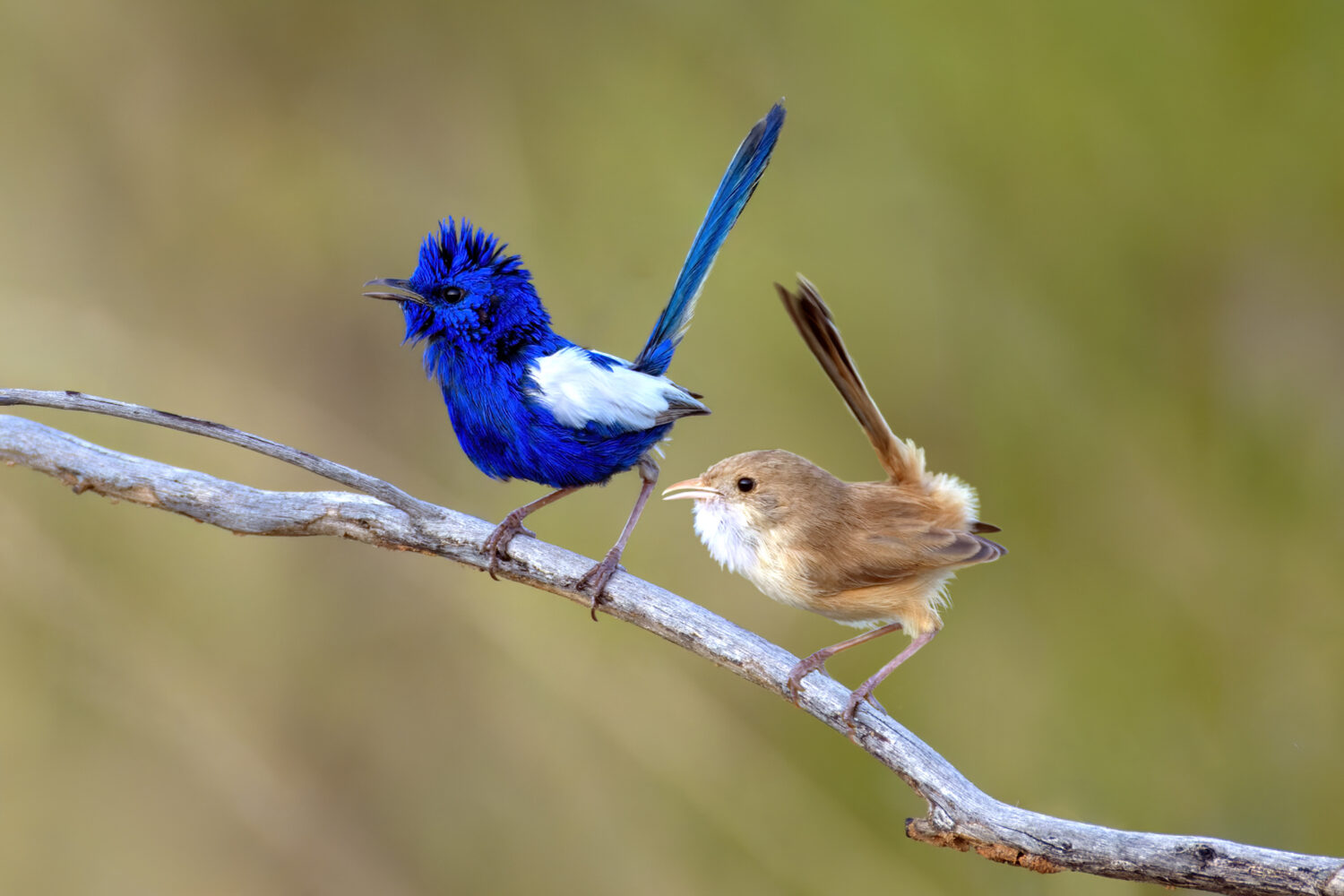
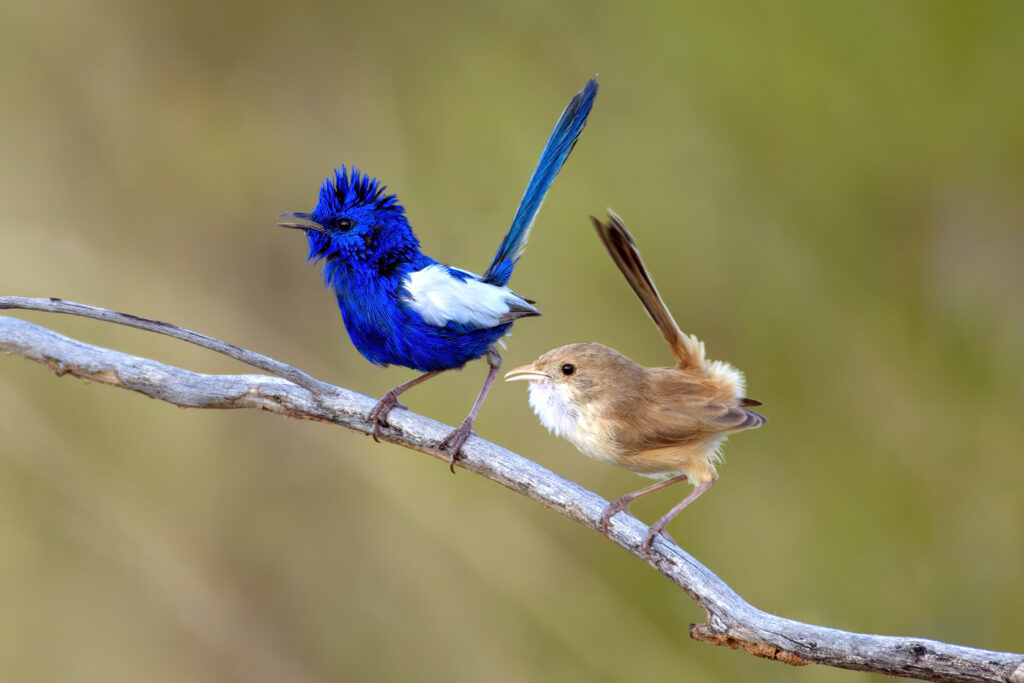
    Male and female White-winged Fairywrens playfully perched on a branch

    This image captures a pair of white-winged fairywrens, engaging in playful behaviour on a low branch. The male, with his striking all-over royal blue plumage and brilliant white wings, looked almost surreal against the arid backdrop. The female, in soft sandy hues, was just as active, hopping from twig to twig.

    These birds often live in dry inland areas, and spotting them feels like stumbling upon a little secret in the desert. Their social groups are full of chatter and high-speed chases—like watching a feathered soap opera unfold in miniature.

    Final Thoughts

    Fairywrens might be tiny, but they pack a huge amount of character into a few grams of fluff and feathers. Photographing them takes patience, a quick shutter, and often a sense of humour. But once you’ve spent time watching a family group bounce and chirp their way through the bush, it’s hard not to fall in love with them.

    There’s still one dazzling species that’s eluded my lens so far: the Splendid Fairywren. With its electric blue plumage and outback charisma, it’s right at the top of my must-photograph list. I can’t wait to one day share those images and stories with you—hopefully from deep in the red heart of Australia.

    Let me know what you think in the comments—and if you’ve had your own fairywren encounters and which species is your favourite? I’d love to hear your stories.