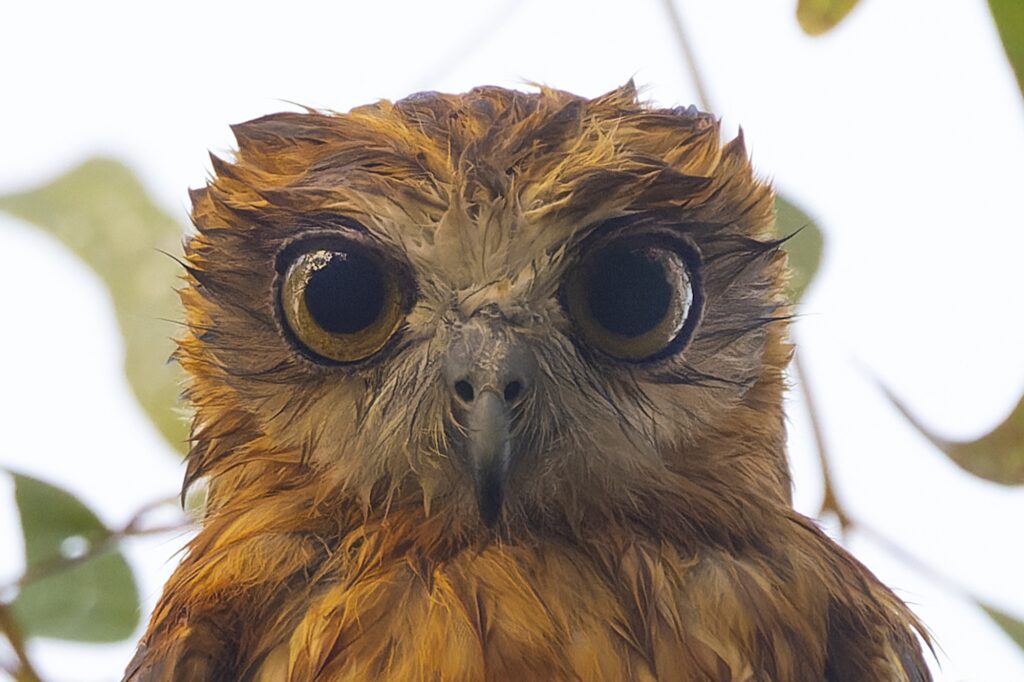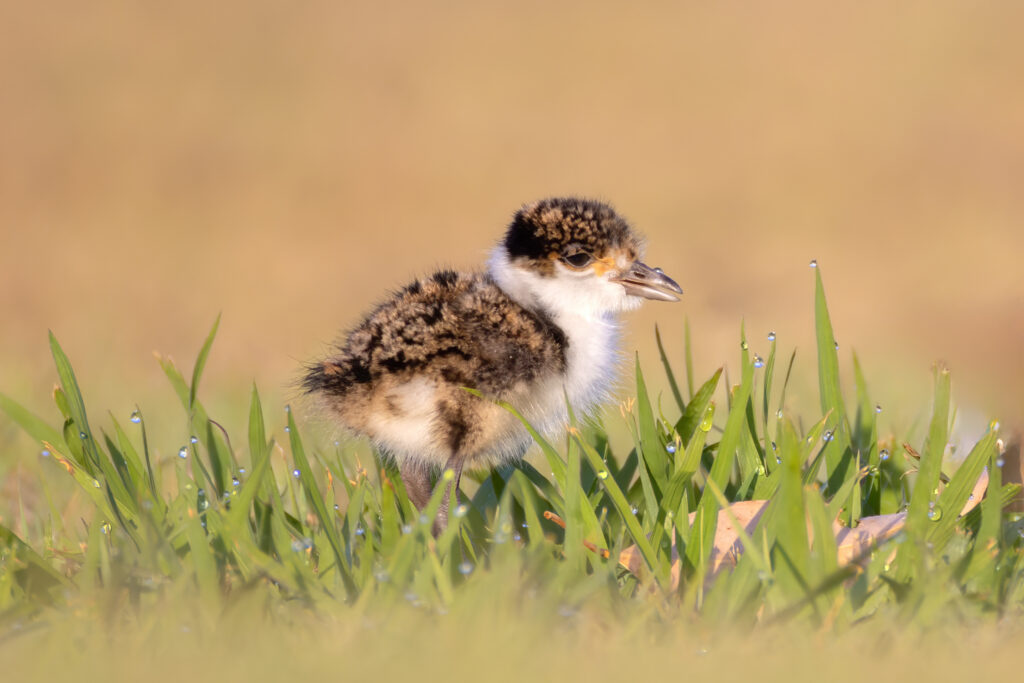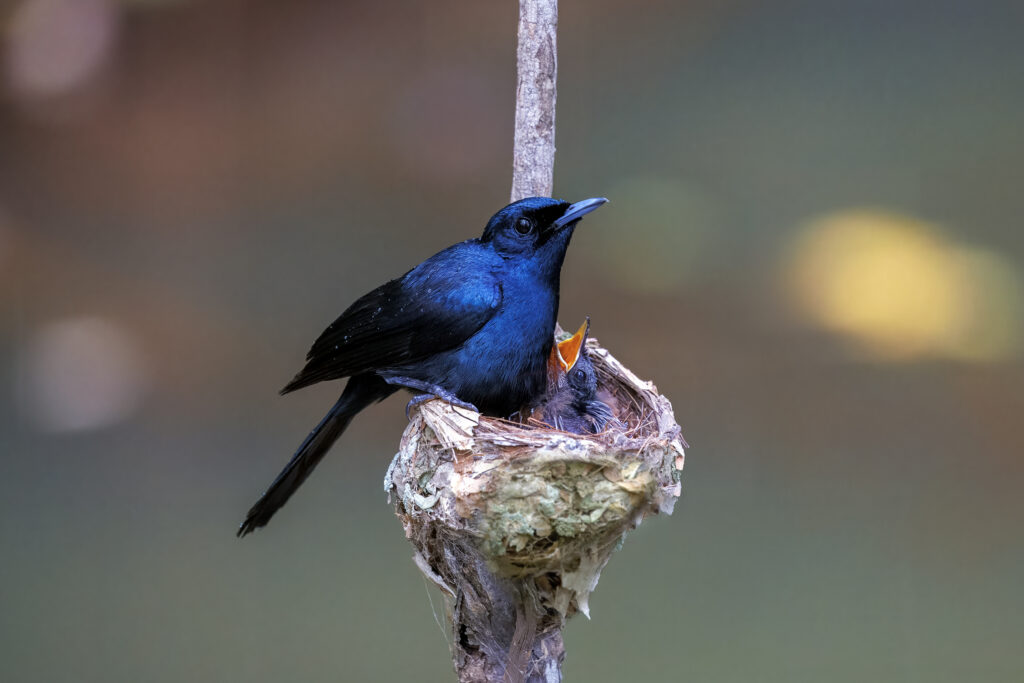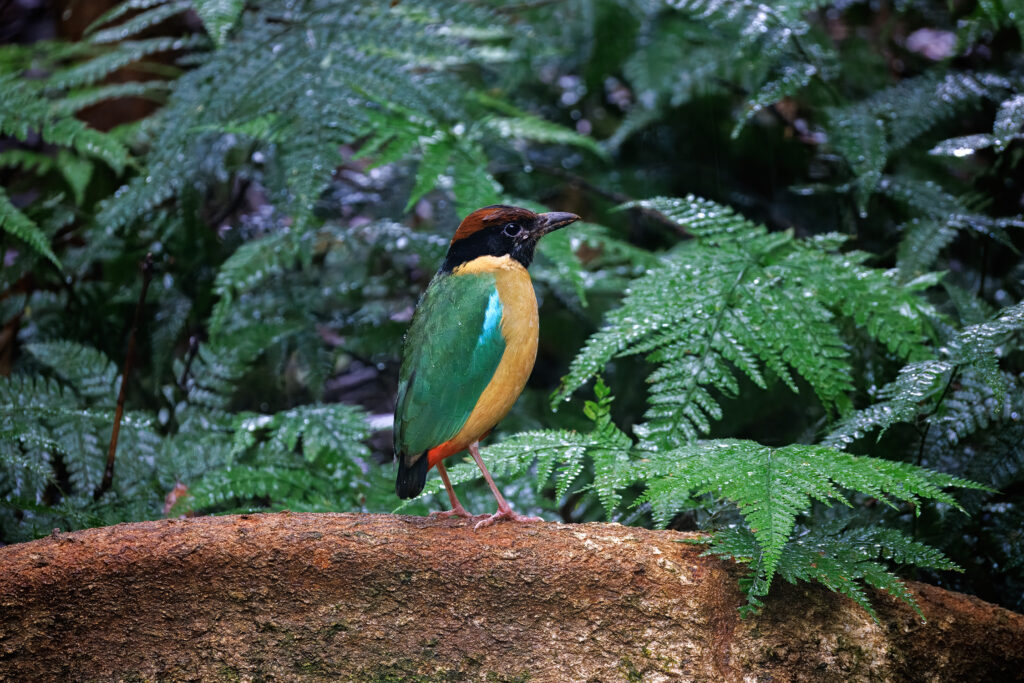
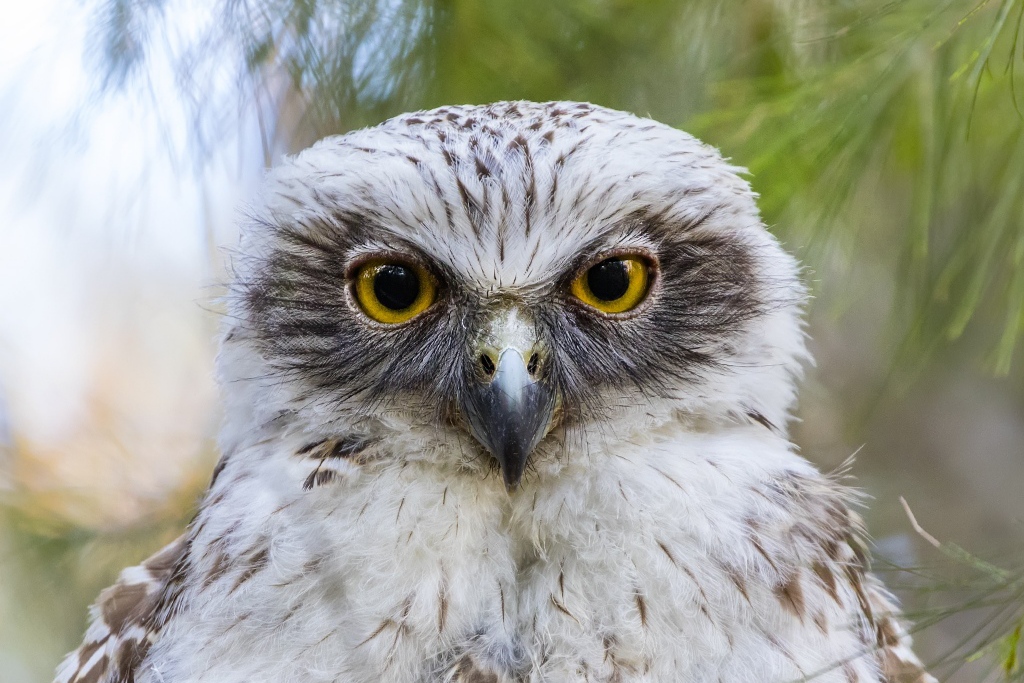
Australian owls are unlike their counterparts elsewhere in the world. Most species spend the day hidden inside tree hollows, rarely seen roosting in the open. They are entirely nocturnal, emerging only under the cover of darkness to hunt. This secretive behavior makes seeing them — and especially photographing them — both difficult and deeply rewarding.I’ve spent countless hours wandering through forests and national parks across Australia, searching for signs of nocturnal life. Along the way, I’ve been lucky enough to encounter and photograph some of Australia’s most remarkable owls.
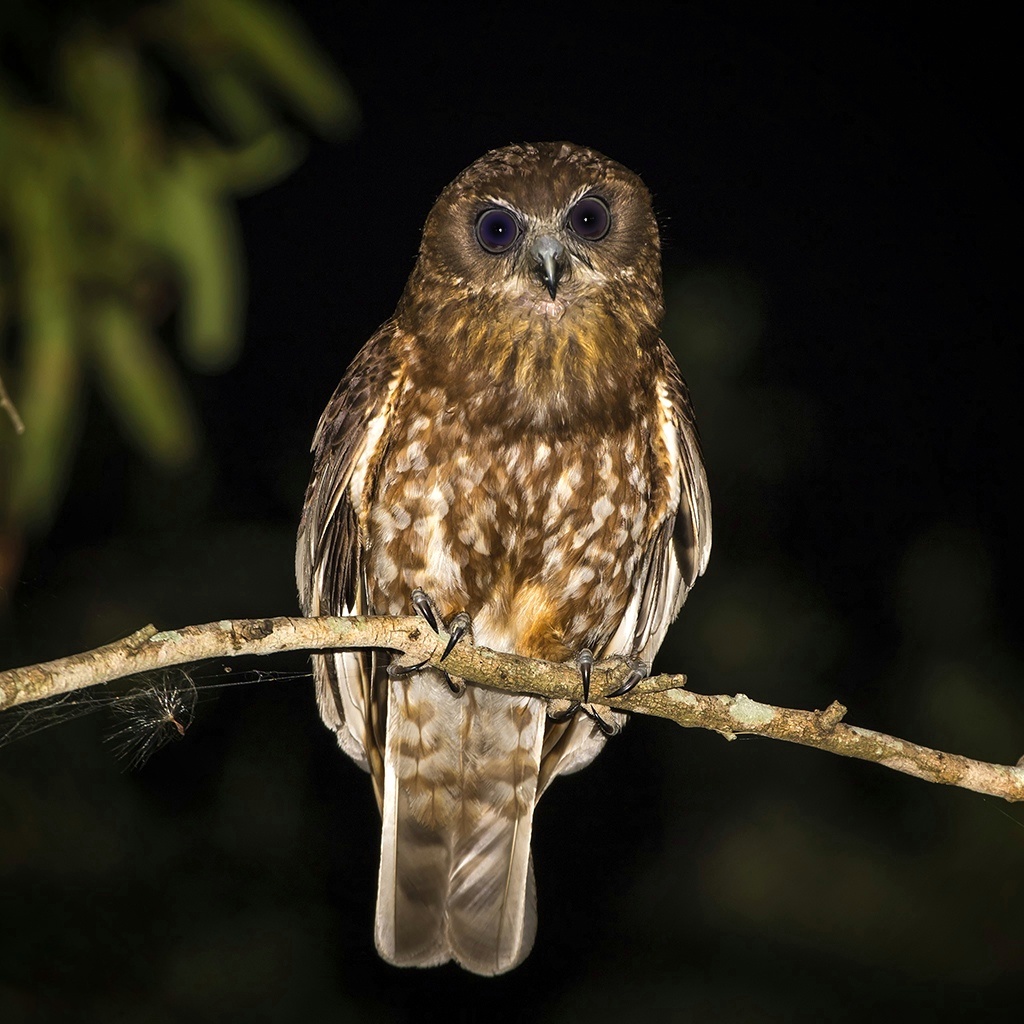
🦉 Southern Boobook (Ninox boobook)
The first owl I’d like to share is the Southern Boobook, the smallest of Australia’s owls. Despite their size, they are fierce little hunters with a haunting, melodic call that echoes through the night. This small but fierce hunter is the most widespread owl in Australia, found from rainforests to suburban backyards. Its familiar “boo-book” call echoes through the night and is often mistaken for a distant cuckoo.
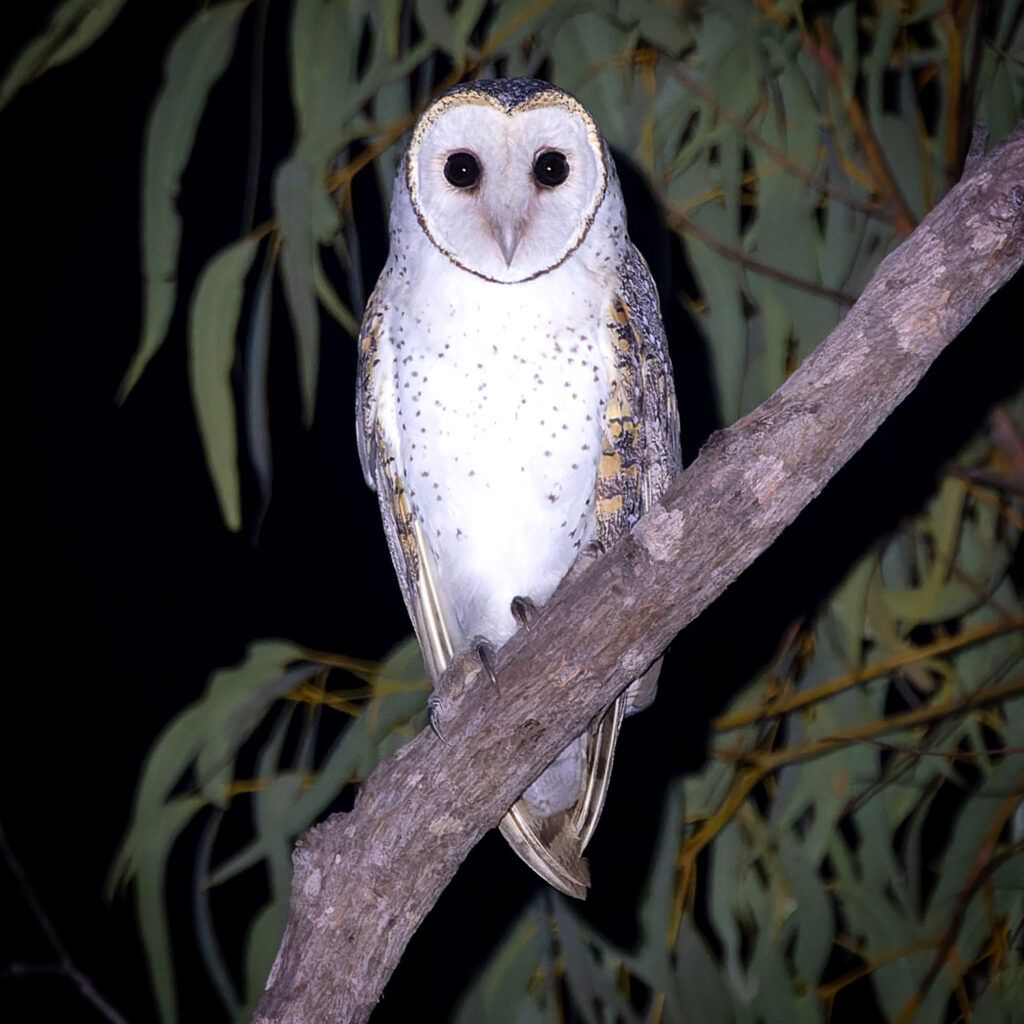
😷 Masked Owl (Tyto novaehollandiae)
The ghost of the forest.With their heart-shaped faces and dark eyes, Masked Owls look like forest phantoms. They have one of the largest facial discs of any owl, helping them detect prey by sound alone — even under thick leaf litter. Sadly, their dependence on large old trees makes them vulnerable to habitat loss.
The Masked Owl is a rare and striking species, particularly around the Brisbane region. I was fortunate to spend time photographing them while living on Groote Eylandt in the Northern Territory, where their ghostly faces and silent flight make them unforgettable.
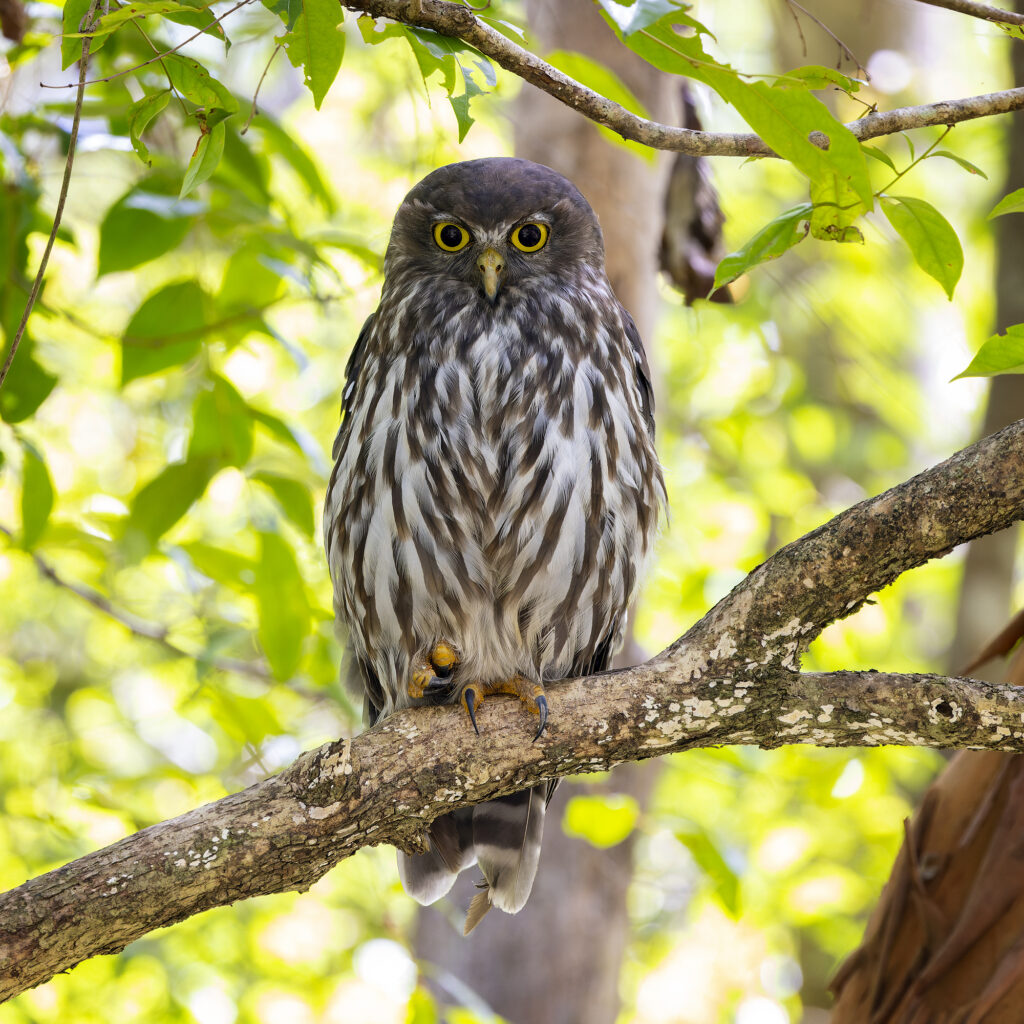
🐶 Barking Owl (Ninox connivens)
The owl that barks — and screams.Famous for its dog-like “woof-woof” call, the Barking Owl can also produce a chilling scream that’s earned it the nickname “the screaming woman owl” in bush folklore. They’re highly social, often calling in pairs as part of their nightly duet.
The Barking Owl is as endearing as it sounds. Named after its dog-like bark, it’s known to confuse — and sometimes infuriate — local dogs that can’t quite locate the source of the sound. Their expressive eyes and rounded faces make them a joy to photograph.
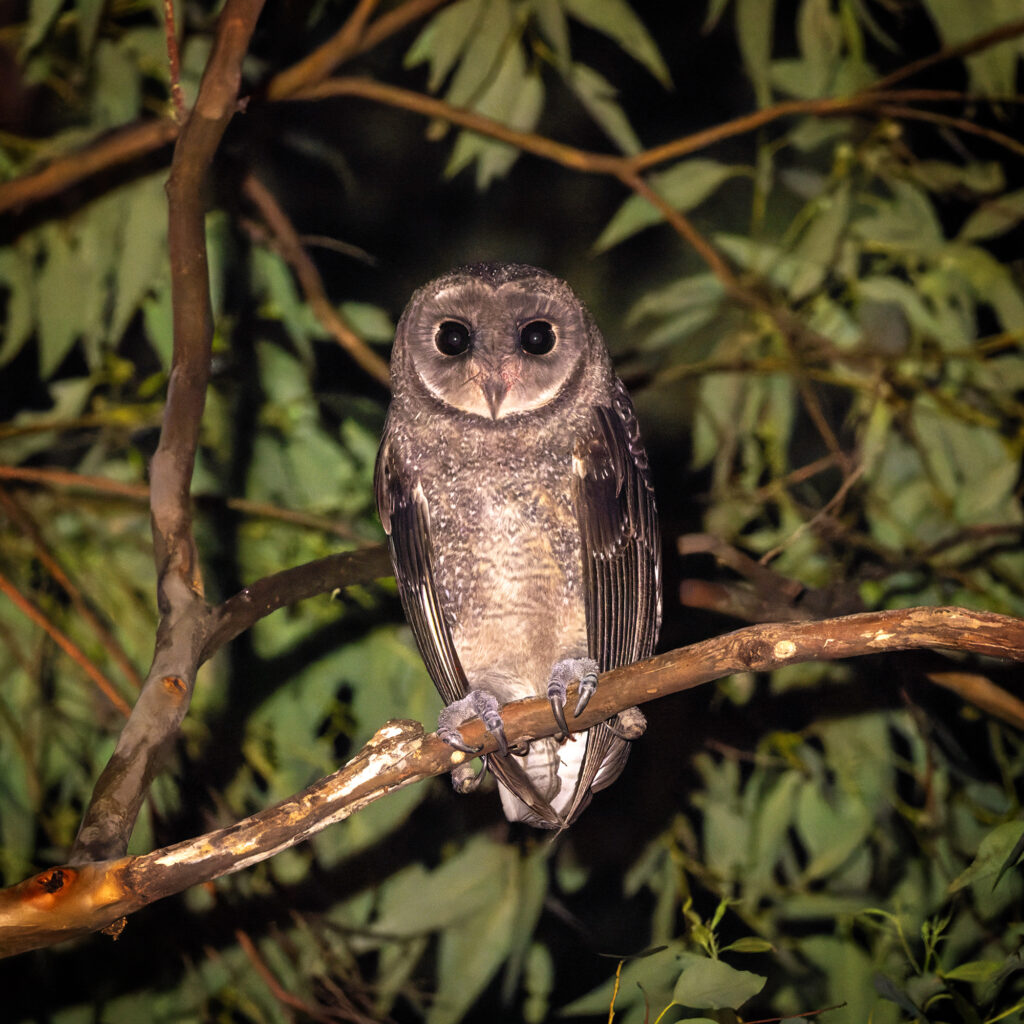
🌌 Greater Sooty Owl (Tyto tenebricosa)
A shadow with wings.These stunning owls haunt the dark rainforests of eastern Australia, their plumage a velvety mix of silver, grey, and black. Their eerie, falling-bomb screech can echo through the forest at night, startling anyone unfamiliar with their presence.
Of all the owls I’ve seen, the Greater Sooty Owl is perhaps the most beautiful. With dark, velvety plumage and large, black eyes, they look almost otherworldly. Their eerie, rasping scream in the night is unforgettable once heard.
💪 Powerful Owl (Ninox strenua)
And then there’s the Powerful Owl — the largest of them all, growing up to 65 cm tall. Australia’s top nocturnal predator, the Powerful Owl lives up to its name. With immense talons and strength, it can take prey as large as a flying fox or small wallaby. Despite their fearsome hunting skills, these owls form lifelong bonds and tenderly care for their chicks during the breeding season.
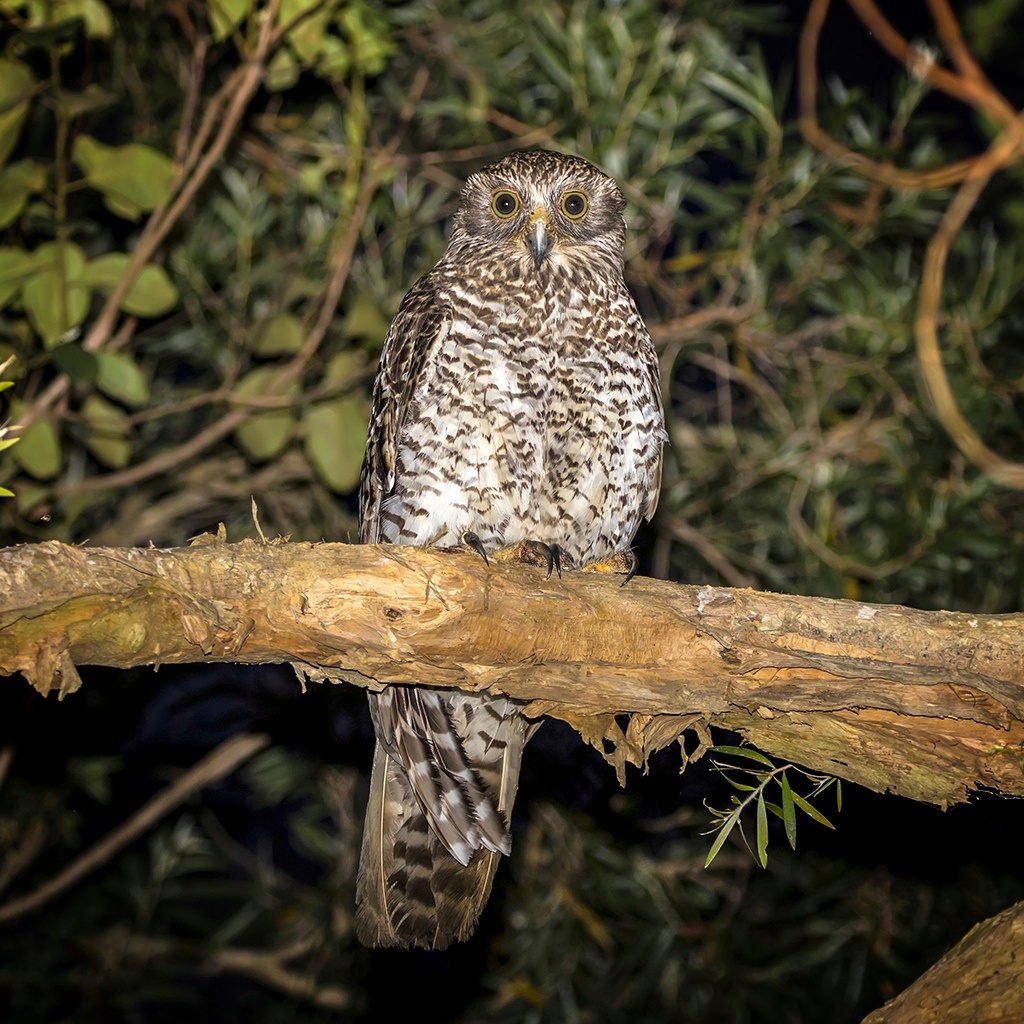
Finding possums often means Powerful Owls are nearby. Their deep, resonant hoots can carry for over a kilometre through the forest.One year, I set myself a challenge: to photograph a Powerful Owl in daylight. This became one of the most rewarding — and demanding — projects I’ve ever attempted.
Here’s a glimpse of how that journey unfolded:
Night 1: Found chicks calling, marked the area, and left them undisturbed.
Day 1: No sign of owls.
Night 2: Located them again.
Day 2: Found them too high for good photos.
Night 3–4: On and off sightings, missed opportunities due to rain.
Night 6: Found them again.
Day 6: Thick trees blocked my view.
Night 8: More searching, more near misses…
And so it went, night after night. For nearly a month, I searched. But persistence paid off. One morning, I finally found a Powerful Owl chick, perched right above a walking track — beautifully exposed in the soft morning light. The parents stayed hidden, but I’m sure they were watching me closely the entire time.The photos I captured that day remain among my proudest achievements. They remind me that patience, respect, and perseverance are the true keys to wildlife photography.
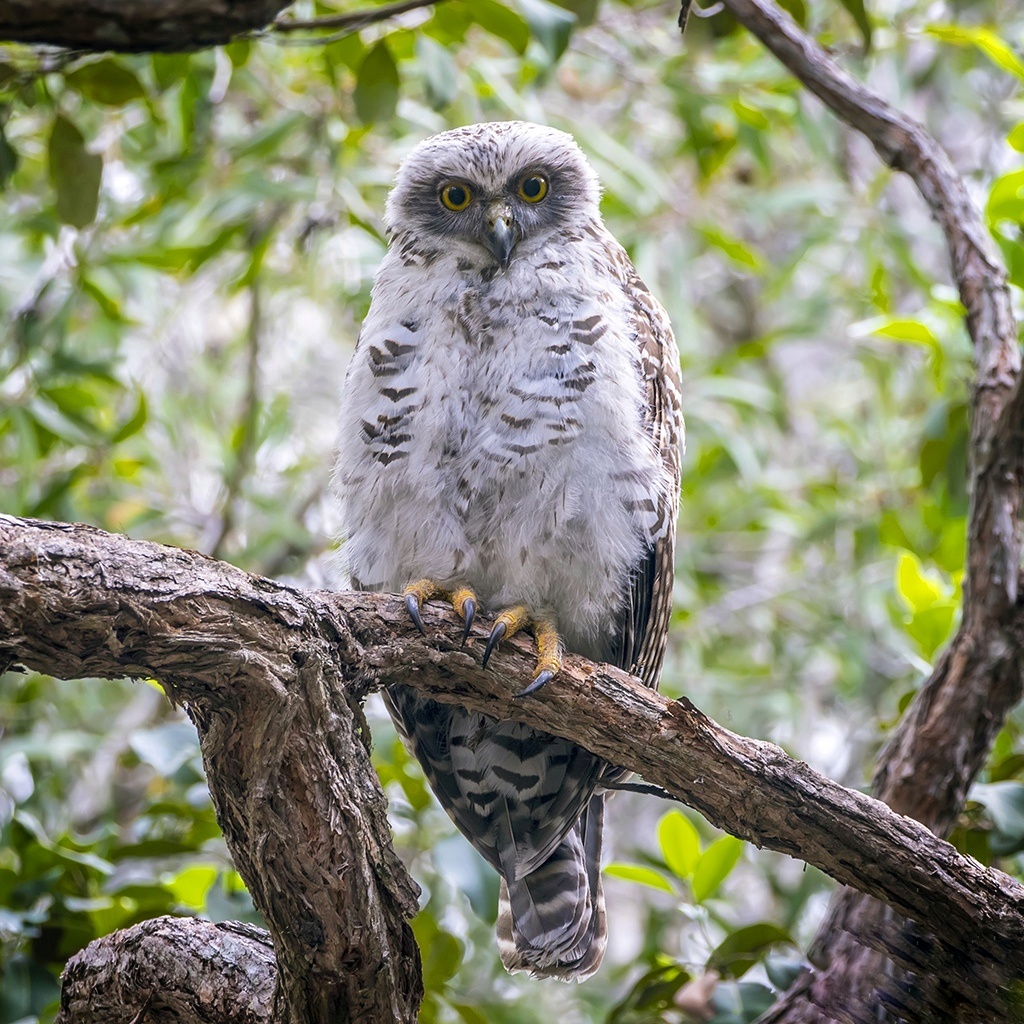
I’m delighted to share these images with you here. Let me know in the comments below — which Australian owl captures your heart?