Tag: Kingfisher

  • A Creekside Encounter: Months Spent with the Azure Kingfishers

    A Creekside Encounter: Months Spent with the Azure Kingfishers

    Interesting Facts About Azure Kingfishers

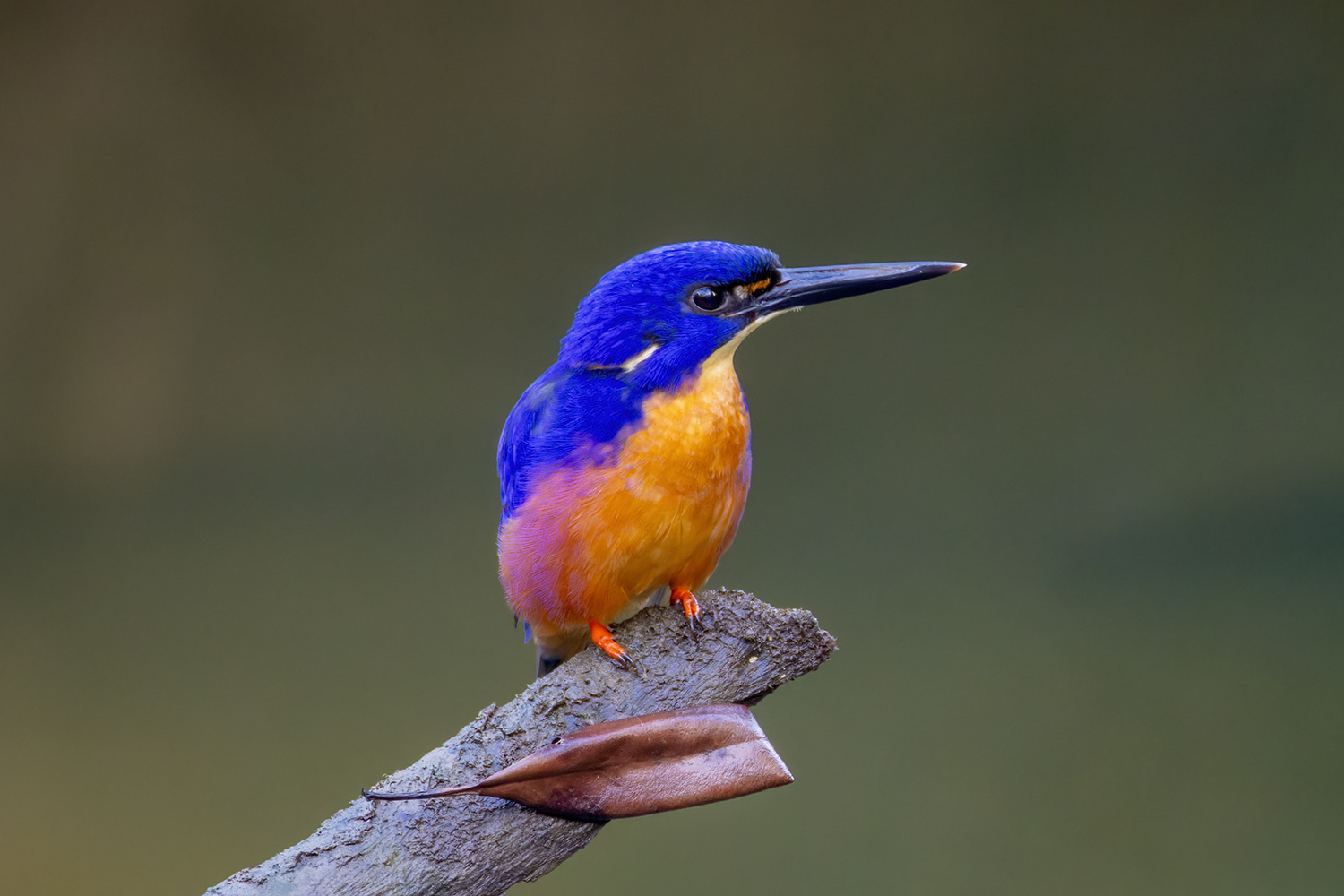
    • Their plumage is intensely colourful – a deep azure-blue back, bright orange‑rufous underparts, and a white throat spot that stands out when viewed from the front.
    • They have unique white “eye‑spots” on their lores, which appear like two large white eyes from the front and may help deter predators.
    • Their feet are bright red and unusual, with only two forward‑facing toes, unlike most birds that have three.
    • Azure kingfishers are expert divers, plunging from low branches to catch fish, crustaceans, aquatic insects, and sometimes frogs. They often bash prey against a perch before swallowing it head‑first.
    • They live near calm, clear waterways, including rivers, creeks, billabongs, swamps, mangroves, and estuaries – always close to water with overhanging vegetation.
    • They nest by digging long burrows – up to 80–130 cm – into riverbanks, ending in a chamber where eggs are laid. Flooding can destroy low burrows.
    • They form monogamous breeding pairs, with both parents incubating eggs and feeding chicks.
    • Their flight is fast and direct, and they often bob their heads or flick their wings while hunting, signaling intense focus before diving.

    Discovery Close to Home

    I was lucky enough to stumble upon a pair of azure kingfishers just minutes from home, tucked away along a quiet bend of the local creek. As any wildlife photographer knows, nothing beats working with local birds – familiar ground, predictable light, and the chance to return again and again. So I committed to spending as much time with them as they would allow. What began as a casual discovery turned into several months of observation, as the pair had chosen a soft section of the creek bank to dig their nesting burrow.

    Colours That Never Get Old

    I never tire of photographing these birds. Their colours alone are enough to stop you in your tracks—deep, electric blue set against warm, glowing orange. It’s a combination so bold it doesn’t need a dramatic backdrop; they stand out no matter where they perch.

    Blending In for the Best View

    To minimise my impact, I relied heavily on a ghillie suit and camouflage netting, always keeping a respectful distance and shooting with a long lens.

    From Quiet Incubation to Constant Activity

    Early in the season, when they were incubating, the activity was subtle: one bird slipping out of the burrow, the other slipping in, a quiet exchange of duties. But once the chicks hatched, everything changed. Suddenly the creek came alive with movement. I watched the parents return again and again with tiny fish and freshwater prawns, each delivery disappearing into the darkness of the burrow to feed the growing brood.

    A Story Still Unfolding

    I never did witness the moment the young birds fledged, but that only adds to the sense of anticipation. With a bit of luck, this pair—or perhaps their offspring—will return next season. And if they do, I’ll be ready.

    Sharing the Season’s Highlights

    Below are the best photos from that season—moments that capture the colour, character and quiet drama of this remarkable pair. If you’ve spent time with azure kingfishers yourself, or have stories from your own local patch, feel free to leave a comment. I’d love to hear about your experiences and observations of these brilliant little birds.
  • Sacred Kingfishers: Australia’s Feathered Daredevils

    Sacred Kingfishers: Australia’s Feathered Daredevils

    Interesting Facts About the Sacred Kingfisher

    • Aerial Acrobat: The Sacred Kingfisher is like a little superhero of the bird world, often diving from a perch in a split second to catch its prey, usually fish, insects, or even small reptiles. They are so fast and accurate that it looks like they’ve been practicing aerial acrobatics.
    • Sacred by Name, Sacred by Nature: Despite its name, the “sacred” part doesn’t relate to any religious significance but rather to the bird’s association with spirituality in various Aboriginal cultures. It’s sometimes seen as a totem or a symbol of communication with the spirit world—so this bird has some serious spiritual connection.
    • A Fish’s Worst Nightmare: The kingfisher’s hunting technique is to dive headfirst into the water, often from a high perch. It’s like the bird version of a high-speed chase scene in an action movie. Once they spot their prey, it’s game over for the fish. A Sacred Kingfisher can catch a fish in mid-air or while submerged, with a success rate that would make any predator jealous.
    • Not So Sacred About Their Love Life: Sacred Kingfishers are generally pretty loyal, sticking to monogamous pairs, and they typically stay in the same nesting site for years. But here’s the twist: sometimes, the males get a bit cheeky and try to court several females. Talk about a love triangle!
    • Flash of Blue in the Bush: The Sacred Kingfisher’s feathers are so vibrant, it’s as if they’re showing off their finest fashion—bright turquoise and green with a pop of white, creating a striking contrast against the green and brown of the bush. It’s like they’ve just stepped out of a birdy fashion magazine.
    • Migratory, But Not That Far: While they are migratory, they don’t travel in massive distances like some birds. Sacred Kingfishers will usually move a little further south during the winter months, but they’re still pretty picky about the areas they settle in. They like their habitats to be near water for fishing, so you’ll mostly find them near rivers, lakes, and coastlines.

    Nest of Opportunity

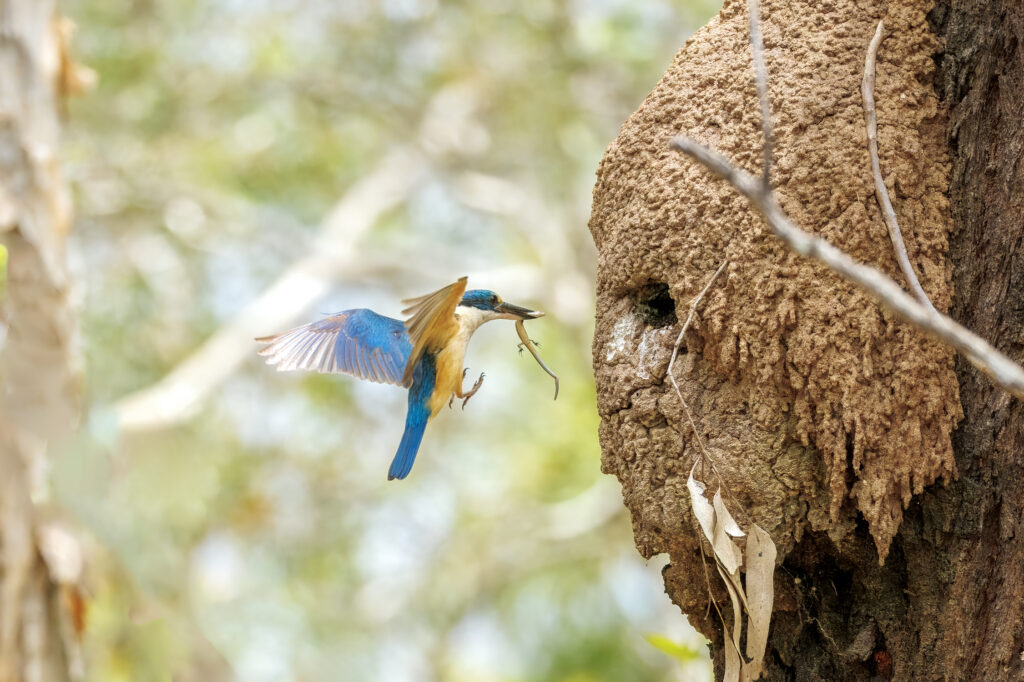
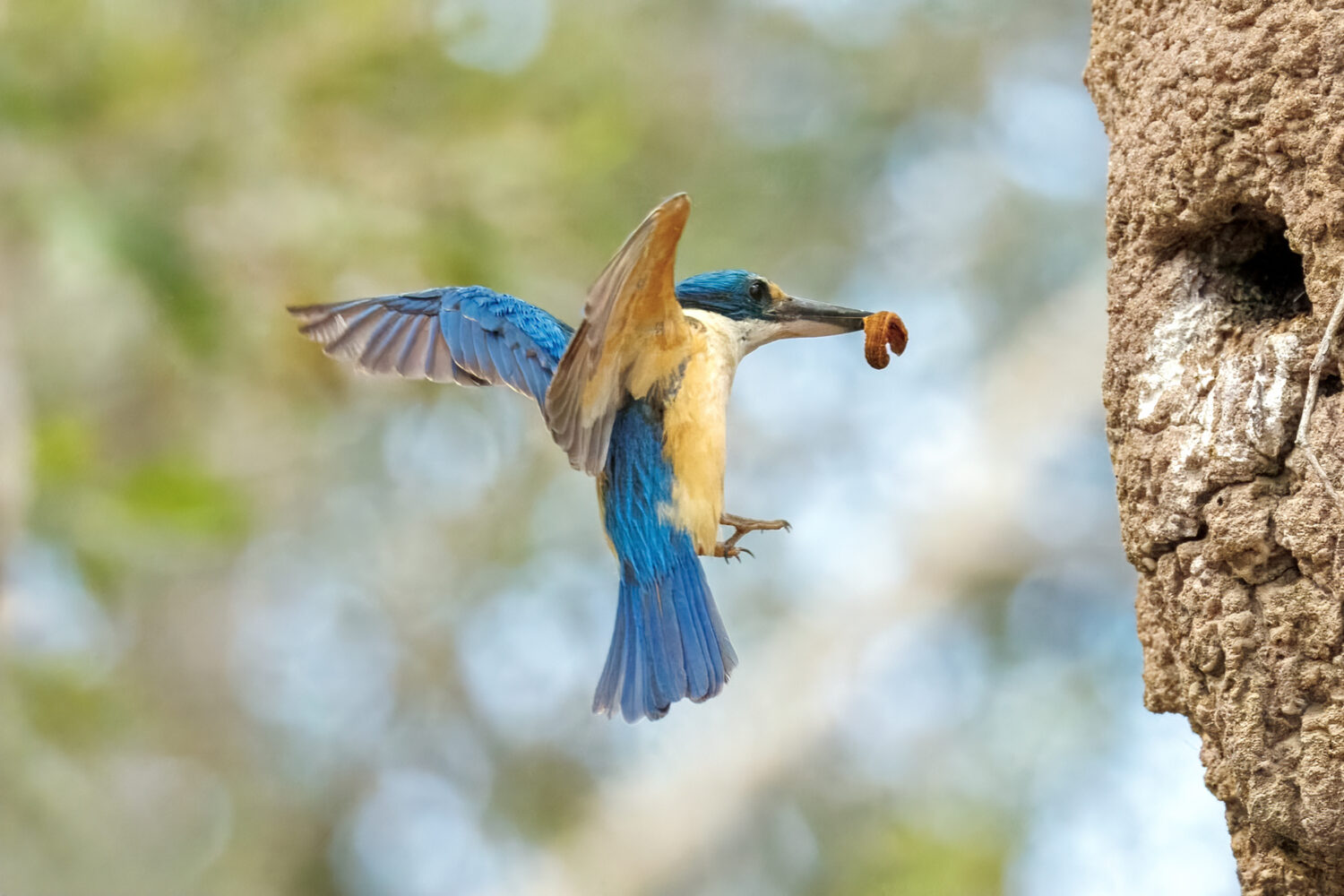
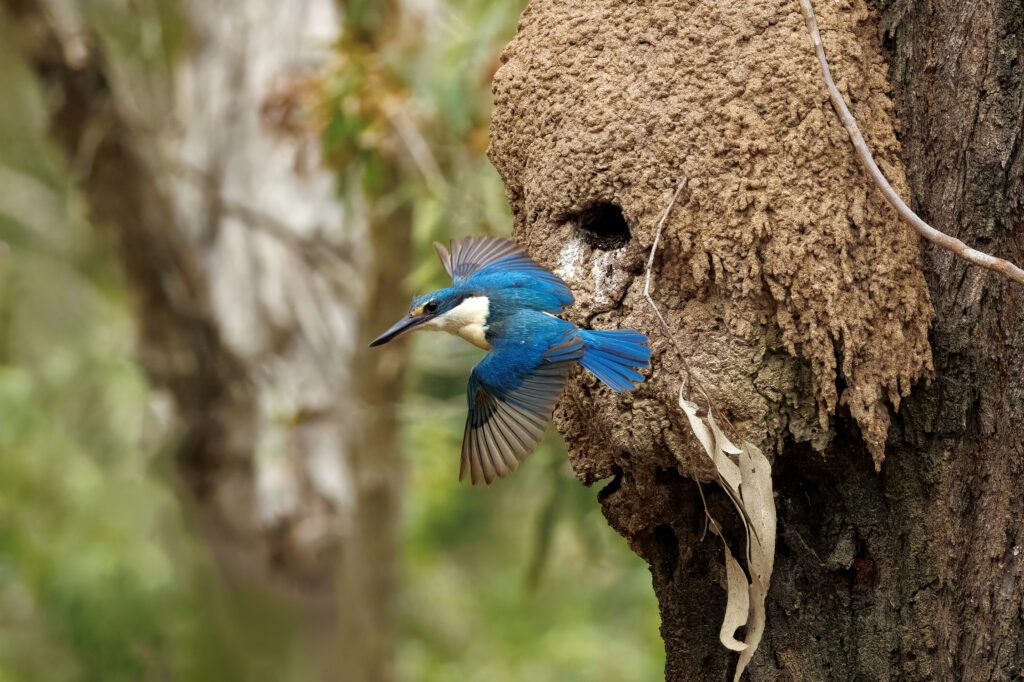
    While exploring one of the local parks, I stumbled upon a remarkable sight: a Sacred Kingfisher nest tucked neatly inside a termite mound on the trunk of a tree. The nest wasn’t high up, making it accessible for the perfect photographic angle, and it was clear that this was a favorite spot for the birds. The mound, weathered and worn, offered both shelter and safety, a prime location for the kingfisher to raise its young. Over the following weeks, I returned to the site multiple times, camera in hand, to observe the kingfisher’s feeding habits. The menu was as diverse as it was fascinating: the bird darted to catch spiders from the tree bark, pounced on plump grubs in the underbrush, snapped up dragonflies in mid-flight, and even caught small lizards sunning themselves nearby. Each visit was a test of patience, as I studied the bird’s movements and perfected my pre-capture timing, eager to capture the graceful flash of blue against the textured backdrop of the tree and mound. These moments, where nature’s rhythm unfolds before you, offered perfect opportunities to freeze time and document the Sacred Kingfisher in all its hunting glory.

    A Face in the Tree

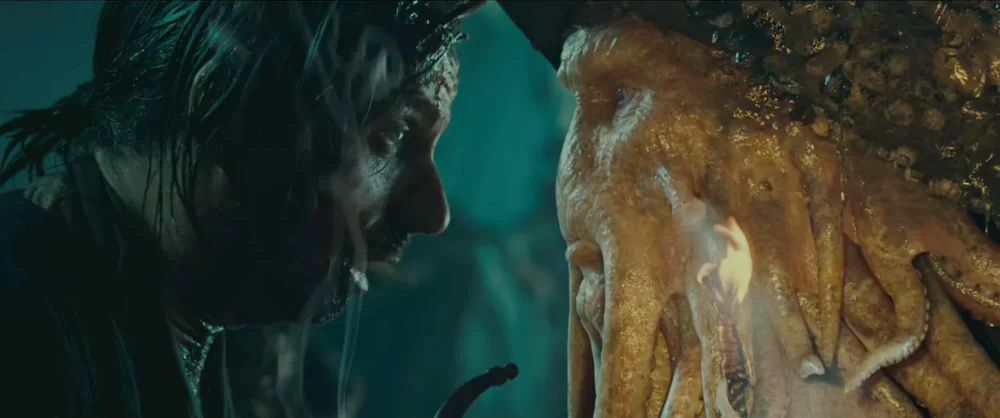
    What made this particular nest even more remarkable was the way it resembled a face. At first glance, the mound seemed like a random mass of dirt, but as I spent more time studying it, something strange became clear—it looked remarkably like a face. The more I stared at it, the more familiar the features seemed, but it took me a while to place it. Then, it clicked: the face looked almost identical to Davy Jones, the eerie pirate from Pirates of the Caribbean! The shape of the brow, the indentations, and the textured grooves of the mound gave off a distinct resemblance to the iconic sea villain, complete with his tentacle-like features. Now, I’m not saying the nest was definitely meant to resemble a cursed pirate captain—but the uncanny likeness was hard to ignore. What do you think? Does it remind you of Davy Jones too, or am I just seeing ghosts of the Caribbean in the trees?

    Comedic Landing

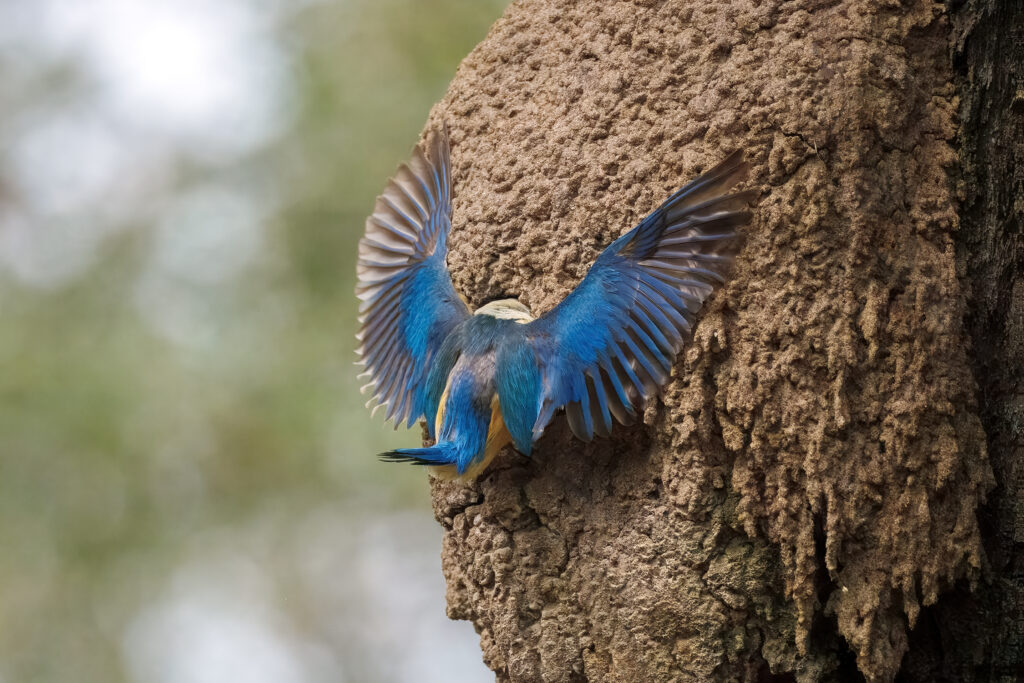
    One of the most amusing shots I captured during my time observing the Sacred Kingfisher was a moment that felt like it belonged in the Comedy Wildlife Photography Awards. In this image, the bird looked like it was on a mission, flying full speed toward the tree with wings spread wide—so wide, in fact, that it appeared to be trying to hug the trunk mid-flight. But the real comedy came in when the kingfisher’s head disappeared inside the nest, as if it had forgotten to stop or was attempting some kind of airborne headbutt. The timing of the shot was priceless—here was this otherwise graceful predator, now caught in a moment of utter chaos, wings flapping like an overenthusiastic hugger and face buried deep in the mound. It’s a perfect reminder that even the most skilled hunters have their awkward moments—and this one, to me, could easily have earned a spot in the Comedy Wildlife Photo Contest.